



What's Happening?
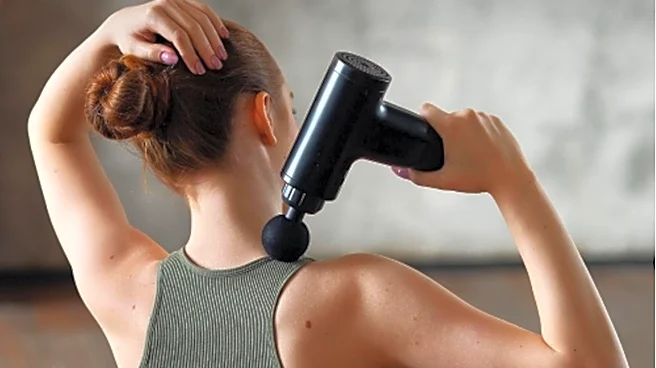
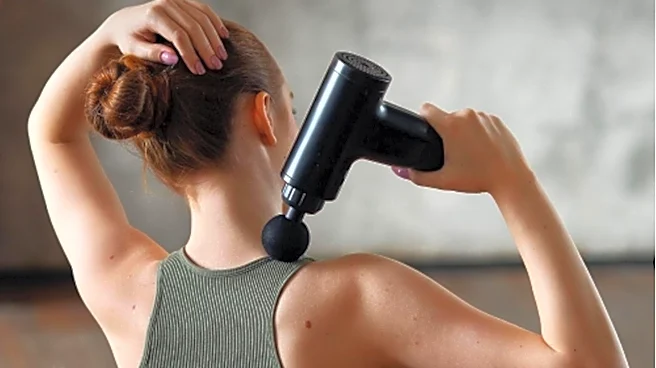
Massage guns, which utilize rapid, repetitive percussion, are effective tools for alleviating muscle soreness, stiffness, and aiding in recovery, particularly before or after workouts. Serena Marie Licastro, a licensed massage therapist, highlights that
these devices can warm up muscles pre-workout and relieve tension post-workout. However, Licastro strongly advises against using massage guns on sensitive areas such as the jaw, face, or temporomandibular joint (TMJ). These regions contain numerous sensitive nerves, blood vessels, and delicate structures that could be aggravated or injured by the powerful percussion of a massage gun. Unlike manual massages where a therapist can feel tissue responses and adjust pressure, massage guns lack this nuanced feedback, making them unsuitable for such delicate areas. The devices are primarily designed for larger muscle groups like calves, quads, hamstrings, glutes, upper back, shoulders, and lats, which commonly experience tightness from physical activity or prolonged sitting/standing.
Why It's Important?
The widespread use of massage guns, often promoted through social media for various applications, underscores the importance of understanding their appropriate and safe usage. Misinformation or improper application, especially on sensitive areas like the face and jaw, poses significant health risks, including nerve damage, arterial injury, or exacerbation of existing conditions like TMJ pain. For consumers, this guidance from a licensed professional is crucial for maximizing the benefits of these devices while avoiding potential harm. For manufacturers and retailers, it emphasizes the need for clear instructions and warnings regarding contraindicated areas. The distinction between the capabilities of a massage gun and the diagnostic and adaptive skills of a human massage therapist also highlights the irreplaceable value of professional healthcare services, even as technology offers convenient at-home alternatives for muscle care.
What's Next?
Consumers who own or are considering purchasing massage guns should review usage guidelines and prioritize safety by avoiding sensitive areas as advised by experts. Manufacturers may face increased pressure to provide more explicit warnings and educational content regarding the safe application of their products, potentially leading to updated user manuals or marketing materials. Healthcare professionals, particularly massage therapists and physical therapists, will likely continue to educate their clients on the proper use of these devices and the limitations of self-treatment. The ongoing trend of at-home wellness tools suggests a continued need for clear, expert-backed information to ensure public safety and effective use of such products.
Beyond the Headlines
The discussion around massage gun usage on the face and jaw points to a broader issue of how wellness technologies are adopted and sometimes misused based on trends rather than expert advice. Social media often amplifies 'off-label' uses of products, creating a challenge for consumers to discern credible information from potentially harmful fads. This situation highlights the ethical responsibility of influencers and platforms to ensure the accuracy and safety of health-related content. Furthermore, it underscores the evolving landscape of self-care, where individuals seek convenient solutions but may lack the anatomical and physiological knowledge to use advanced tools safely. The emphasis on professional guidance for delicate body parts reinforces the critical role of trained specialists in health and wellness, even in an era of readily available personal devices.