





What's Happening?
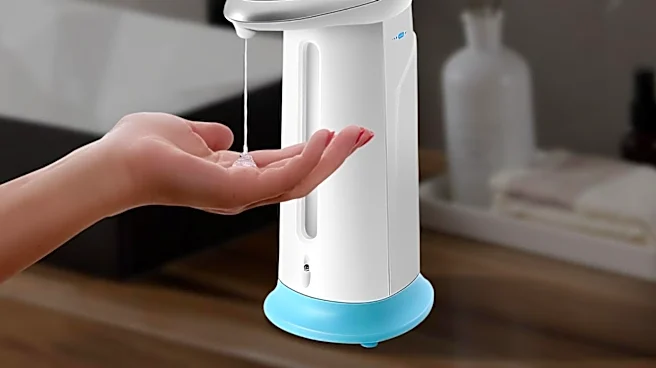
The market for smart dispensers, particularly in the context of refillable goods like toilet tissue and hand sanitizers, is undergoing significant advancements. These modern dispensers are being equipped with sophisticated features to improve user experience
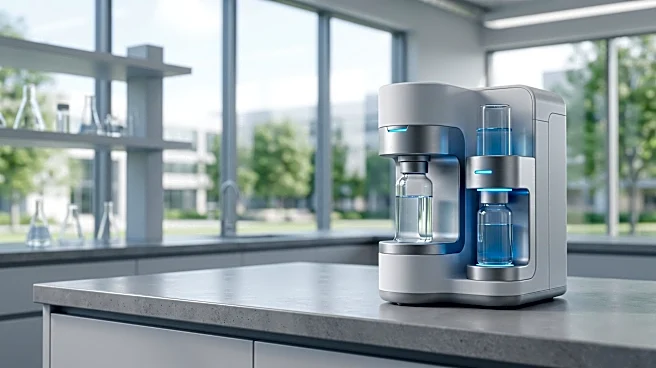
and operational efficiency. Key developments include the integration of sensors and data-driven systems that monitor usage patterns, refill levels, and maintenance requirements. This allows for proactive management, reducing labor costs and optimizing service frequency. For instance, the XO2® Bodyguard hand sanitizer dispenser exemplifies these trends with touch-free functionality, visible refill level indicators, and a smart foaming action designed to minimize usage and mess. The broader trend points towards dispensers that can seamlessly connect with larger restroom and building management platforms, catering to the growing demand for smart facility solutions. Sustainability is also a major focus, with an emphasis on waste reduction, material efficiency, and compatibility with eco-friendly products, such as refillable systems and designs that prevent overuse.
Why It's Important?
The evolution of smart dispensers holds significant implications for various U.S. industries, particularly in commercial, institutional, and public sectors. The adoption of sensor-enabled and data-integrated dispenser systems directly impacts operational efficiency by reducing manual checks and labor costs associated with refilling and maintenance. This translates to tangible savings for businesses and institutions, allowing staff to focus on other critical tasks. Furthermore, the emphasis on touch-free functionality and hygienic designs addresses heightened public health concerns, especially in high-traffic environments like healthcare facilities, airports, and schools. This not only enhances user confidence but also contributes to a healthier environment, potentially reducing the spread of germs and illnesses. The push for sustainability, through waste reduction and the use of eco-friendly materials, aligns with corporate social responsibility initiatives and consumer demand for greener products, offering a competitive advantage to companies that prioritize these aspects. Ultimately, these advancements contribute to improved public perception, operational cost savings, and better health outcomes across a wide range of U.S. facilities.
What's Next?
The future trajectory for smart dispensers involves continued integration into broader smart facility management ecosystems. Expect to see more advanced sensor technologies that provide real-time data on consumption and maintenance needs, enabling predictive maintenance and optimized inventory management. Manufacturers will likely focus on developing more modular designs that are easier to install and service, further reducing operational downtime and labor costs. The trend towards touchless and hygienic designs will intensify, with innovations aimed at minimizing contact points and enhancing sanitation protocols, particularly in light of ongoing public health awareness. Furthermore, the market will likely see an increase in dispensers made from recycled or lower-impact materials, driven by stricter environmental procurement policies and a growing consumer preference for sustainable products. Companies that can effectively demonstrate both hygiene benefits and sustainability credentials will gain a stronger foothold with large institutional buyers and across various commercial segments.
Beyond the Headlines
Beyond the immediate benefits of efficiency and hygiene, the rise of smart dispensers reflects a deeper societal shift towards interconnected and data-driven environments. The integration of these devices into broader building management platforms signifies a move towards 'smart buildings' where every component contributes to overall operational intelligence. This trend raises questions about data privacy and security, as usage patterns and facility data are collected and analyzed. Ethical considerations around resource consumption and waste management are also at play, as these systems are designed to optimize usage and promote sustainability. Culturally, the expectation for touch-free and highly hygienic public spaces is becoming the norm, influencing design and operational standards across various sectors. In the long term, these advancements could lead to a redefinition of public and commercial space management, where technology plays a central role in ensuring both efficiency and public well-being, potentially setting new benchmarks for facility design and maintenance.