



What's Happening?
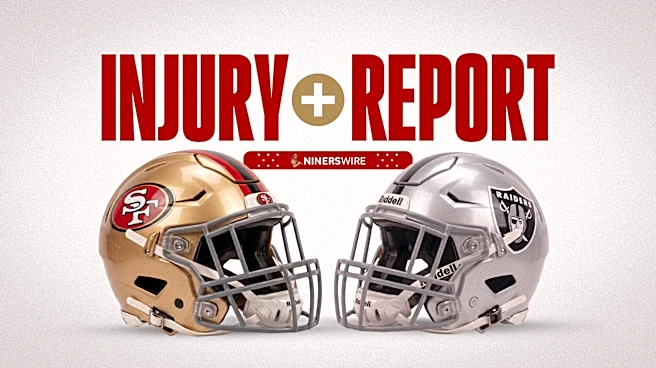
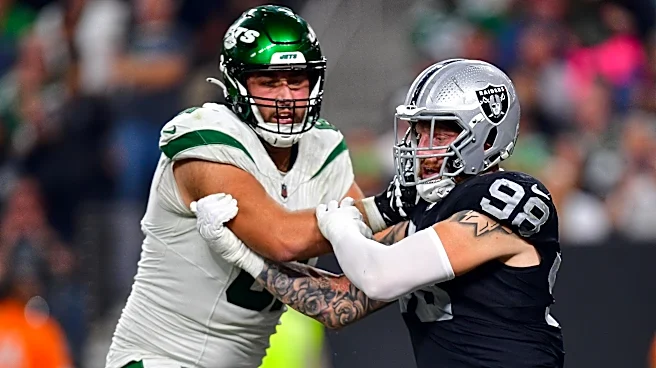
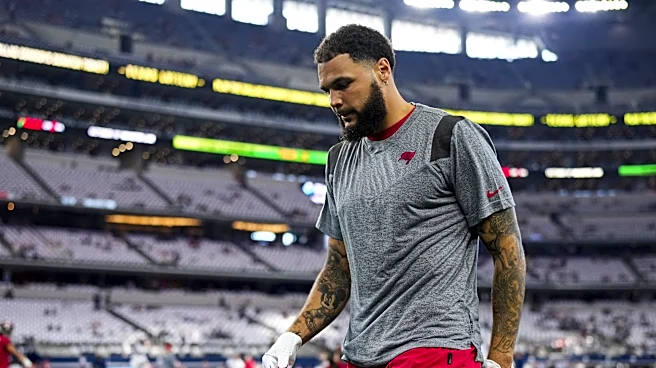
San Francisco 49ers wide receiver Mike Evans will be sidelined for his second consecutive game due to Achilles tendinitis. Evans did not participate in practice throughout the week and has been officially ruled out for Sunday's game against the Las Vegas
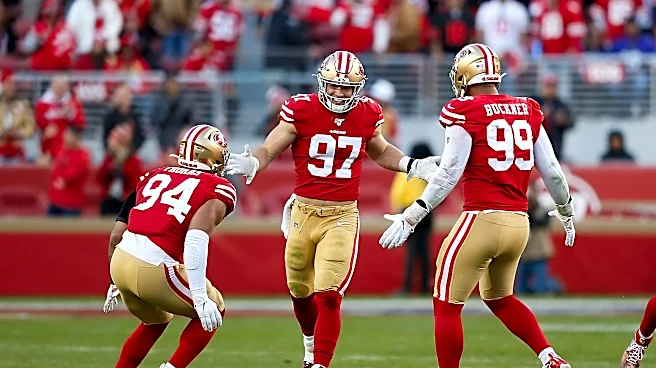
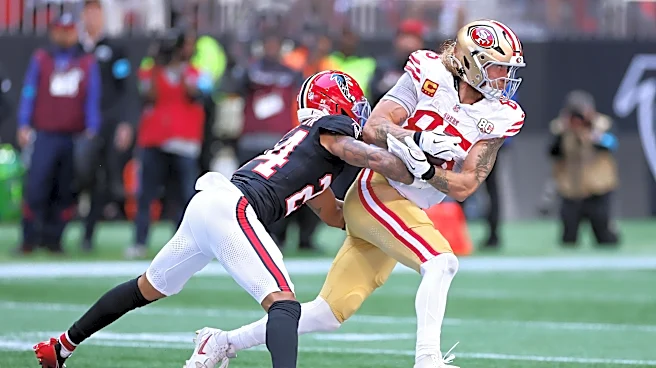
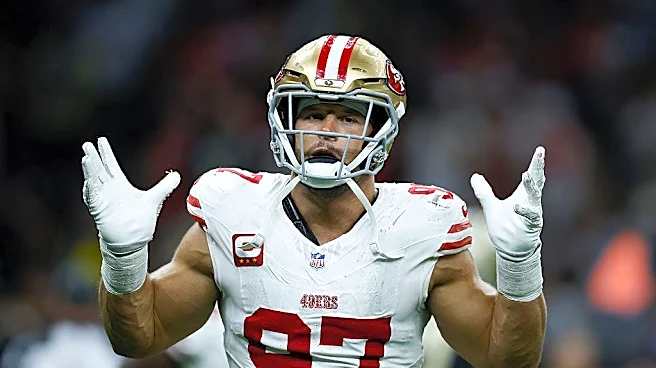
Raiders. This marks a continued struggle with injuries for Evans in his first season with the 49ers, having previously dealt with hip and rib issues. Coach Kyle Shanahan also confirmed that fellow receivers Deebo Samuel will miss his third straight game with a hamstring injury, and Christian Kirk is out after sustaining a meniscus injury in practice this week. Evans has been a significant contributor to the 49ers' offense, recording 27 catches for 420 yards and three touchdowns. His absence, along with other key receivers, has coincided with a dip in offensive production, with the team scoring only 23 points in the six quarters since he left the game against Washington. The team will, however, see the return of defensive end Nick Bosa and potentially receiver Demarcus Robinson from injury.
Why It's Important?
The continued absence of Mike Evans, coupled with injuries to Deebo Samuel and Christian Kirk, significantly impacts the San Francisco 49ers' offensive capabilities. Evans has proven to be a crucial deep threat and reliable target, averaging 17.2 yards per reception on non-red zone targets and maintaining a high explosive play rate. His ability to convert third downs has been vital for sustaining drives. Without him, the offense loses a primary playmaker, forcing other players to step into larger roles. This situation could place increased pressure on tight end George Kittle and running back Christian McCaffrey to carry a heavier load in the passing game. The team's depth at wide receiver will be tested, potentially leading to more targets for less experienced players like Jordan Watkins or newly activated Demarcus Robinson. This could affect the team's offensive rhythm and overall scoring potential in critical matchups, especially as they aim to maintain their division lead and prepare for the playoffs.
What's Next?
The San Francisco 49ers will need to adjust their offensive strategy for the upcoming game against the Las Vegas Raiders without their top three receivers. Coach Kyle Shanahan has indicated that the team is being cautious with Evans' return, prioritizing his long-term health for the playoffs rather than rushing him back. While there is hope for Evans to return in Week 10, his status will be closely monitored. The team will rely on the return of defensive end Nick Bosa to bolster their defense, which could help compensate for potential offensive struggles. The activation of Demarcus Robinson from injured reserve will provide some relief at the wide receiver position, but he will likely need to quickly integrate into a more prominent role. The performance of other offensive players, particularly Kittle and McCaffrey, will be critical in maintaining offensive production. The team's ability to adapt to these significant personnel losses will be a key factor in their immediate success and their strategy moving forward in the season.
Beyond the Headlines
The recurring injury issues for key players like Mike Evans highlight a broader challenge for NFL teams in managing player health and depth throughout a demanding season. For the 49ers, Evans' Achilles tendinitis, following earlier hip and rib injuries, underscores the physical toll of professional football, especially for veteran players. This situation forces coaching staff to balance immediate game-day needs with long-term player availability, often leading to strategic decisions to rest players even if they could potentially play. The reliance on a 'next man up' mentality becomes paramount, testing the depth of the roster and the effectiveness of player development. Furthermore, the impact of multiple star players being sidelined simultaneously can influence team morale, play-calling creativity, and the overall competitive outlook for a franchise. It also brings into focus the importance of robust medical and training staff in mitigating injuries and facilitating recovery, as teams navigate the fine line between pushing for wins and preserving player health for a deep playoff run.