






What's Happening?
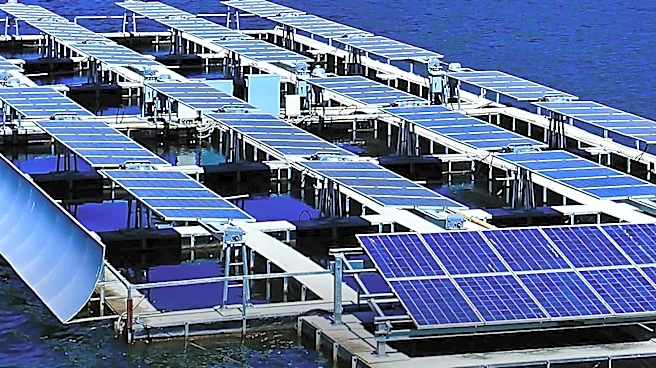
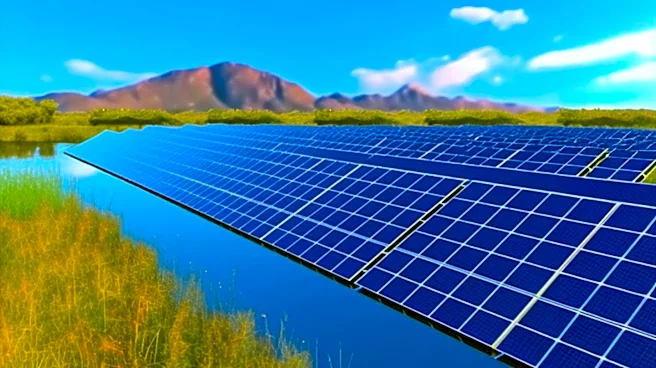
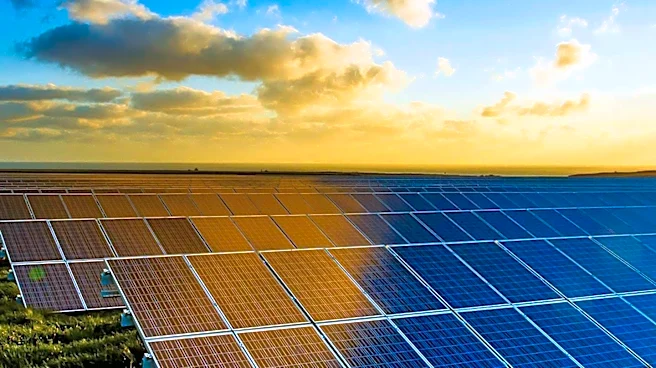
Ørsted has commenced construction on the Blackwater Solar project, a 200 MW solar farm located in Roosevelt County, New Mexico. This project marks Ørsted's first venture in the state. The solar farm, situated between Portales and Clovis, is designed to
generate enough electricity to power over 56,000 homes annually within the Southwest Power Pool (SPP) territory. The electricity generated will support growing industrial demand in New Mexico, backed by a long-term power purchase agreement. Ørsted sourced solar panels for this project from First Solar, a domestic manufacturer, emphasizing support for American energy production and manufacturing. The Blackwater Solar project is anticipated to achieve commercial operation by late 2027. In addition to the solar farm, Ørsted has committed $100,000 to the Playa Lakes Joint Venture (PLJV) for the restoration and conservation of wetlands near Melrose, New Mexico. This contribution aims to conserve an 8.8-acre playa, which is vital for regional wildlife and water resources, building on Ørsted's prior conservation efforts in West Texas.
Why It's Important?
The Blackwater Solar project is significant for New Mexico's energy landscape and the broader U.S. renewable energy sector. It represents a substantial investment in clean energy infrastructure, contributing to the state's industrial electricity demands and reducing reliance on traditional power sources. By utilizing domestically manufactured solar panels from First Solar, the project also supports the U.S. manufacturing sector, fostering job creation and economic growth within the country. This initiative aligns with national goals for energy independence and decarbonization. Furthermore, Ørsted's partnership with the Playa Lakes Joint Venture highlights a growing trend of integrating environmental conservation with large-scale energy projects. The restoration of wetlands in Eastern New Mexico, a region home to over 2,100 playas, is crucial for maintaining biodiversity, supporting wildlife habitats, and preserving vital water resources. This dual approach demonstrates a commitment to sustainable development, addressing both energy needs and ecological preservation, which can serve as a model for future infrastructure projects across the U.S.
What's Next?
The Blackwater Solar project is slated to reach commercial operations by late 2027, at which point it will begin supplying electricity to the Southwest Power Pool territory. Over its operational lifespan, the project is projected to contribute nearly $18 million in property tax revenue to Roosevelt County. These funds are earmarked to support local public services, including schools, infrastructure, and first responders, providing long-term economic benefits to the community. The ongoing wetland restoration efforts with the Playa Lakes Joint Venture will continue to monitor and enhance the ecological health of the Melrose area. This partnership may also pave the way for future collaborations between Ørsted and environmental organizations, potentially expanding conservation initiatives alongside renewable energy development in other regions. The success of this integrated approach could influence policy discussions regarding environmental stewardship in large-scale energy projects, encouraging similar models nationwide.
Beyond the Headlines
Beyond its immediate energy and environmental impacts, the Blackwater Solar project and its associated wetland restoration initiative underscore a broader shift in corporate responsibility within the energy sector. This project exemplifies how major energy developers are increasingly incorporating ecological preservation and community benefits into their core business strategies, moving beyond mere compliance to proactive environmental stewardship. The use of domestic solar panels also highlights the strategic importance of strengthening the U.S. supply chain for renewable energy technologies, reducing reliance on foreign manufacturing and enhancing national energy security. This integrated approach could set a precedent for future energy developments, fostering a more holistic understanding of sustainability that encompasses economic, environmental, and social dimensions. It also reflects a growing public and regulatory expectation for companies to contribute positively to the regions where they operate, fostering long-term community relationships and environmental resilience.