




What's Happening?
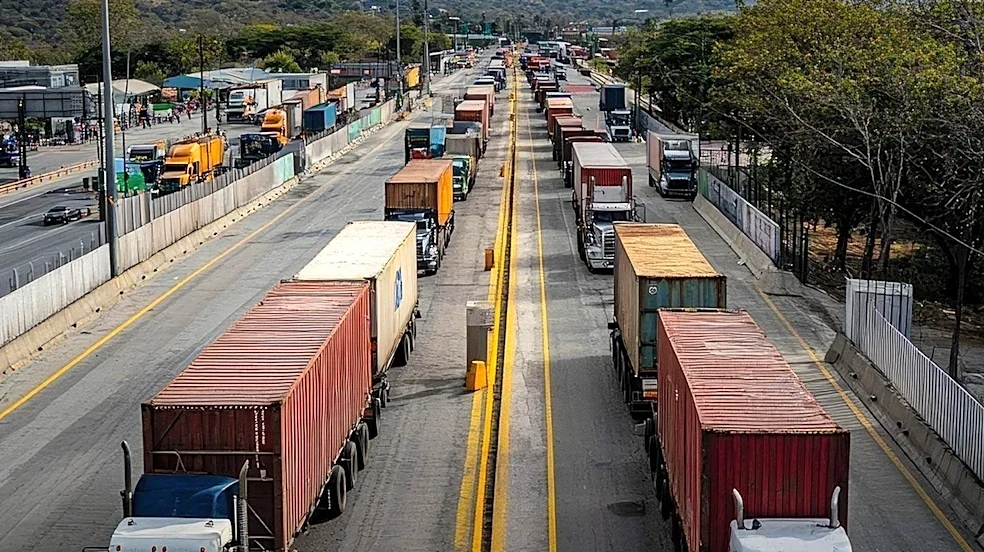
Supply chain resilience is defined as an organization's capacity to anticipate, absorb, adapt to, and rapidly recover from unexpected disruptions without compromising customer delivery commitments or profitability. These disruptions can include geopolitical
conflicts, natural disasters, port strikes, or pandemic shutdowns. Public investment in resilient infrastructure, such as flood protection, early-warning systems, and reliable electricity, also plays a crucial role in supporting supply chain resilience. The concept emphasizes maintaining operational continuity and financial stability in the face of unforeseen challenges. Modern supply chain management aims to transform disparate suppliers, factories, distribution hubs, and retail channels into a unified, high-performance commercial engine that delivers maximum customer value at minimal total cost. This involves strategic planning, designing, executing, controlling, and monitoring the synchronized flow of materials, information, and financial capital across interconnected organizations.
Why It's Important?
The importance of supply chain resilience for modern businesses is paramount in an increasingly volatile global economy. Without robust resilience, organizations face significant risks of inventory gluts or shortages, financial losses due to compromised delivery commitments, and damage to their brand reputation. The 'Bullwhip Effect,' where small fluctuations in consumer demand lead to progressively larger swings in orders upstream, highlights the need for stable and adaptable supply chains. Public investments in infrastructure directly contribute to this stability by mitigating risks from natural disasters and ensuring essential services like electricity. For U.S. businesses, a resilient supply chain can mean the difference between sustained profitability and severe operational setbacks, impacting everything from manufacturing to retail and ultimately, consumer access to goods. The ability to navigate disruptions effectively ensures competitive advantage and safeguards economic stability.
What's Next?
The future of supply chain management is moving towards greater technological integration and predictive capabilities. Enterprises are increasingly deploying 'Digital Twins,' which are dynamic, virtual replicas of their physical supply chain networks powered by real-time IoT sensor telemetry. These digital twins allow supply chain architects to simulate 'what-if' scenarios, such as the impact of a port strike or a factory fire, enabling proactive contingency planning. Artificial intelligence algorithms are also being utilized to analyze vast amounts of data, including macroeconomic signals, social media sentiment, and weather forecasts, to achieve hyper-accurate predictive demand planning. Autonomous inventory replenishment systems are emerging, capable of generating purchase orders and scheduling logistics without human intervention. These advancements aim to create more autonomous and responsive supply networks, further enhancing resilience and efficiency.
Beyond the Headlines
The drive for supply chain resilience extends beyond mere operational efficiency, touching upon ethical and sustainability considerations. The modern consumer increasingly demands 'Halal + Ethical' sourcing, pushing companies to consider fair trade practices, avoidance of child labor, and low carbon footprints in their supply chains. This shift necessitates a deeper look into multi-tier sourcing challenges, where secondary derivatives and processing aids can compromise product integrity or ethical standards. Companies are developing high-integrity supplier qualification programs, including on-site inspections and raw material traceability, to ensure compliance. The concept of 'Certified Corridors' and contractual 'Halal Clauses' are emerging to mitigate risks and ensure accountability. This evolution signifies a broader cultural and ethical integration into supply chain strategies, reflecting a growing consumer and corporate consciousness about the origins and impact of products.