


What's Happening?
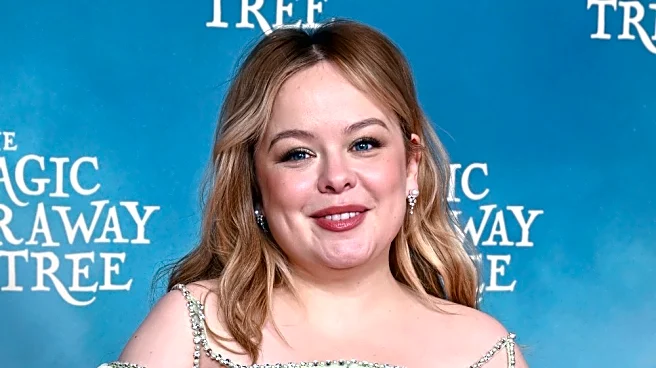
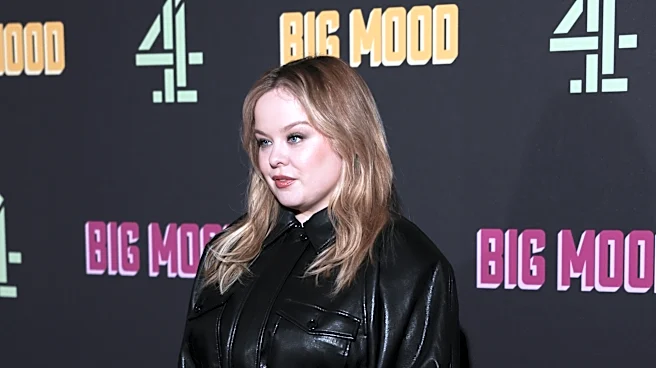
Actress Nicola Coughlan, known for her roles in 'Derry Girls' and 'Bridgerton,' has publicly stated she will not watch or participate in the new 'Harry Potter' television series slated for HBO Max. Coughlan's decision stems from her strong opposition
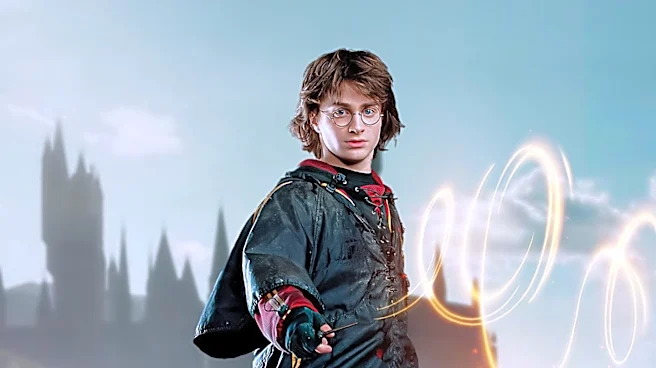
to author J.K. Rowling's anti-trans rhetoric and support for anti-trans legislation. In an interview with The Observer, Coughlan reiterated her stance, previously expressed in response to a UK Supreme Court ruling in 2025, where she stated she 'wouldn't touch' the new show. She emphasized her view that 'to see an already marginalized community being further attacked and attacked in law is really stomach churning and disgusting.' Coughlan also highlighted Rowling's public dismissal of her and actor Pedro Pascal, who also criticized the author. The new HBO Max series is a re-adaptation of the original 'Harry Potter' books, with a projected seven-season run, featuring new lead actors Dominic McLaughlin, Arabella Stanton, and Alastair Stout, alongside seasoned actors like John Lithgow, Paapa Essiedu, Nick Frost, and Warwick Davis, who is reprising his role as Professor Filius Flitwick.
Why It's Important?
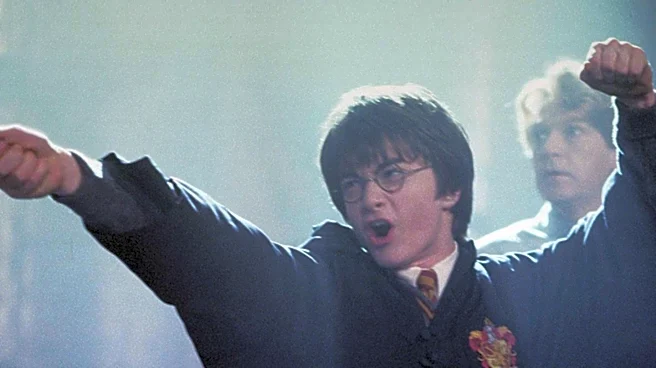
Nicola Coughlan's public refusal to engage with the new 'Harry Potter' series underscores the ongoing and significant cultural impact of J.K. Rowling's controversial statements regarding transgender rights. This stance by a prominent actress adds to a growing list of original 'Harry Potter' film cast members, including Daniel Radcliffe, Emma Watson, and Rupert Grint, who have publicly supported the trans community. Such high-profile boycotts and criticisms from within the entertainment industry can influence public perception and potentially affect the commercial success and audience reception of the new series. For HBO Max, this controversy presents a challenge in marketing a beloved franchise while navigating the ethical concerns raised by its creator. The situation highlights the increasing expectation for public figures and corporations to align with social justice values, and the potential for consumer backlash when these expectations are not met. It also reflects a broader societal debate about separating art from artist, particularly when the artist's views are perceived as harmful to marginalized communities.
What's Next?
The new 'Harry Potter' series is scheduled to premiere on HBO Max this Christmas. Despite the controversy, production is moving forward with a new cast and a projected seven-season run. The ongoing public discourse surrounding J.K. Rowling's views and the responses from actors like Nicola Coughlan are likely to continue shaping public and critical reception of the series. Stakeholders, including HBO Max and the production team, will likely monitor audience engagement and critical reviews closely. The situation may prompt further discussions within the entertainment industry regarding how to handle projects associated with creators whose public statements are deemed problematic. It remains to be seen whether the series will face significant boycotts from viewers or if the appeal of the 'Harry Potter' universe will outweigh the ethical concerns for a large segment of the audience. The involvement of original cast members like Warwick Davis, who are reprising their roles, adds another layer of complexity to the public's perception of the new adaptation.
Beyond the Headlines
The controversy surrounding the new 'Harry Potter' series extends beyond mere casting and production, touching upon deeper ethical and cultural implications within the entertainment industry and society at large. It highlights the increasing pressure on public figures and corporations to take clear stances on social issues, particularly those concerning marginalized communities. The debate over J.K. Rowling's comments has forced a re-evaluation of how audiences engage with beloved franchises when the creator's personal views conflict with their own. This situation could set a precedent for how future adaptations or reboots of popular works are handled, especially if the original creators are embroiled in significant public controversies. It also underscores the power of collective action and public opinion, as expressed by actors and online communities, in influencing the cultural landscape and potentially impacting the commercial viability of major media projects. The 'Harry Potter' franchise, once a symbol of inclusivity and imagination for many, is now also a focal point for discussions on trans rights and accountability.