






What's Happening?
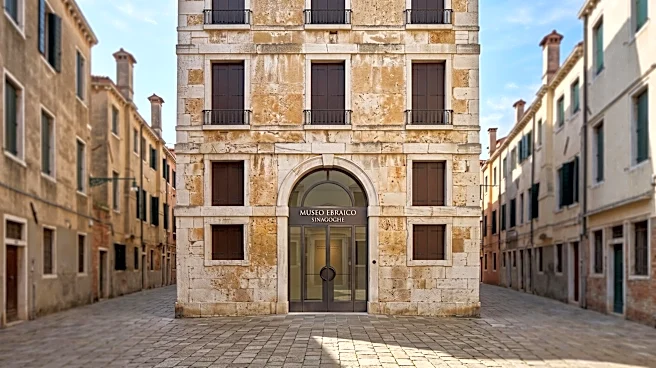
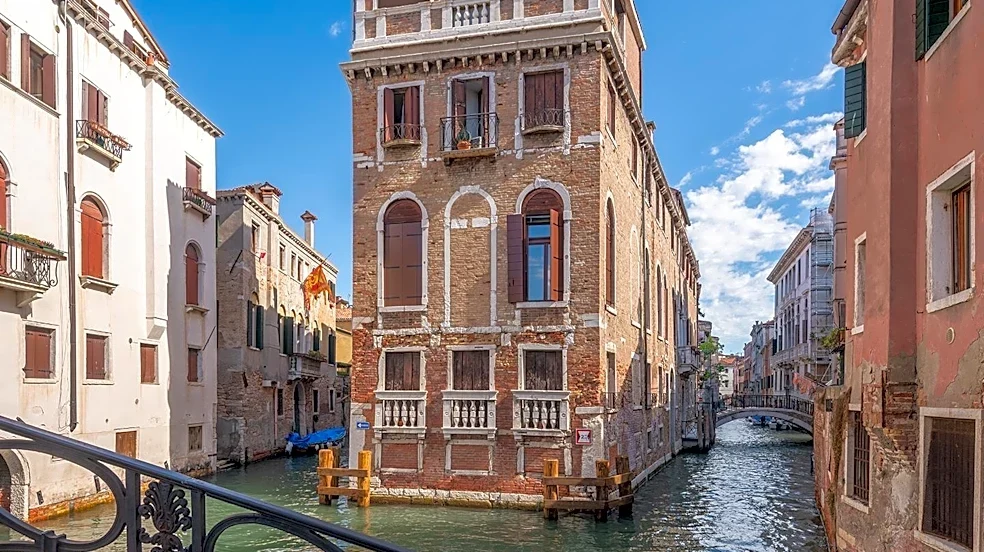
Venice, Italy, is highlighted as a premier travel destination known for its timeless palaces, views of the Grand Canal, and exceptional hospitality. The city's unique charm is attributed to its intricate network of canals, numerous bridges, and rich historic
architecture. Key attractions for visitors include St. Mark's Square, St. Mark's Basilica, and the Doge's Palace. The city offers a romantic ambiance and a deep sense of history, making it a popular choice for travelers seeking cultural immersion and picturesque scenery. A gondola ride along the Grand Canal is specifically recommended as a quintessential Venetian experience, providing a distinct perspective of the city's waterways. Beyond the main sights, exploring quieter lanes reveals small cafes, local shops, and neighborhood squares, contributing to the city's unique character. Venice is primarily navigated on foot or by water transport, emphasizing the need for comfortable footwear for visitors.
Why It's Important?
Venice's enduring appeal as a global tourist destination significantly impacts the travel and tourism industries, particularly for those specializing in European and luxury travel. Its unique infrastructure, built on water, presents both opportunities and challenges for urban planning and preservation efforts. The city's reliance on tourism means its economic health is closely tied to visitor numbers and the maintenance of its historical and cultural sites. For U.S. travelers, Venice represents a significant cultural touchstone, offering an experience distinct from domestic travel and contributing to a broader understanding of global heritage. The preservation of Venice's delicate ecosystem and historic buildings is a continuous concern, with implications for sustainable tourism practices worldwide. The city's ability to manage tourist influx while maintaining its authenticity is a model for other historic destinations facing similar pressures.
What's Next?
As Venice continues to attract visitors, ongoing efforts will likely focus on sustainable tourism initiatives to manage crowds and preserve the city's fragile environment. Discussions around visitor caps, alternative transportation methods, and off-season promotions may become more prevalent to ensure the long-term viability of Venice as a destination. The city may also explore technological solutions to monitor and manage tourist flows, enhancing the visitor experience while minimizing environmental impact. Furthermore, there could be continued investment in restoring and maintaining its historic landmarks, such as St. Mark's Basilica and the Doge's Palace, to safeguard them for future generations. The local government and tourism boards will likely continue to promote Venice's unique cultural offerings, encouraging deeper engagement with its history and arts beyond the most popular attractions.
Beyond the Headlines
Beyond its immediate appeal, Venice embodies a profound narrative about human ingenuity and resilience in adapting to challenging environments. Its existence as a major city built on water is a testament to centuries of architectural and engineering innovation. The city also serves as a poignant symbol of the global challenges posed by climate change, particularly rising sea levels, which threaten its very foundations. This makes Venice not just a tourist destination but a living laboratory for urban sustainability and cultural preservation in the face of environmental shifts. The ethical considerations of mass tourism, including its impact on local communities and the authenticity of cultural experiences, are also deeply embedded in Venice's story. The city's ongoing struggle to balance economic benefits from tourism with the need to protect its heritage offers valuable lessons for urban centers worldwide.