



What's Happening?
Emily Chepkor, founder of 'We Run Nairobi,' has significantly transformed the running landscape in Nairobi, Kenya. Despite Kenya's global reputation for elite runners, Chepkor recognized a lack of accessibility for everyday citizens to engage in the sport.
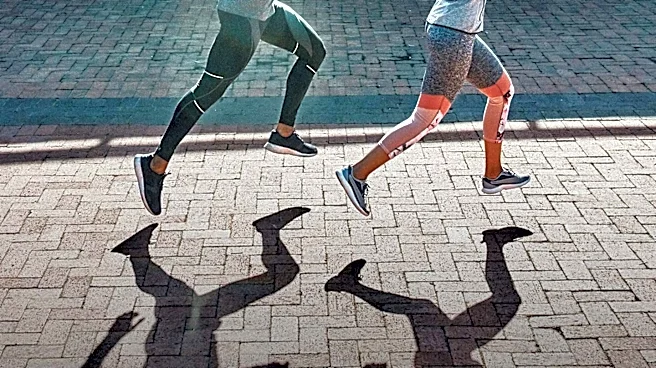
She initiated 'We Run Nairobi' as a weekly run club, starting with just four participants, which has since grown to attract over 1,200 people every Saturday morning. The club operates on a simple, no-fee, no-registration model, encouraging anyone to join. This initiative has become a defining ritual for Nairobians, establishing a vibrant community around running and integrating it into the city's cultural identity. Chepkor, a 12-time marathoner and two-time Boston qualifier, emphasizes an 'all-paces welcome' philosophy, allowing first-timers to run alongside experienced marathoners. The club frequently utilizes locations like Karura Forest, which Chepkor describes as the most scenic route in the city, offering various distances for runners.
Why It's Important?
The success of 'We Run Nairobi' highlights a significant shift in how sports and fitness are perceived and accessed within urban environments. By removing traditional barriers like registration fees and performance expectations, Chepkor's club has democratized running, making it an inclusive activity for a broad spectrum of the population. This model fosters community engagement and promotes public health, demonstrating how grassroots initiatives can profoundly impact urban lifestyles. The club's growth, partly fueled by social media platforms like TikTok, also underscores the power of digital connectivity in mobilizing and sustaining community-based movements. For Nairobi, 'We Run Nairobi' has become a cultural landmark, attracting both locals and tourists, and showcasing the city's dynamic and evolving identity beyond its traditional associations with wildlife and historical sites. This approach could serve as a blueprint for other cities looking to enhance public participation in sports and build stronger community bonds.
What's Next?
The continued growth and influence of 'We Run Nairobi' suggest a sustained impact on the city's social and cultural fabric. The club's model could inspire similar initiatives in other urban centers, both within Kenya and internationally, aiming to make fitness more accessible and community-oriented. As 'We Run Nairobi' continues to attract a diverse group of participants, it is likely to further solidify its status as a key cultural institution in Nairobi. There is potential for increased collaboration with local businesses and tourism boards, leveraging the club's popularity to promote local attractions and healthy lifestyles. The emphasis on inclusivity and community building could also lead to broader discussions about urban planning and the development of public spaces that support active living. The club's success may also encourage more individuals to take up running, potentially contributing to a healthier and more connected urban population.
Beyond the Headlines
Beyond its immediate impact on fitness, 'We Run Nairobi' embodies a deeper cultural phenomenon: the reclamation of public spaces for community and well-being. In a rapidly urbanizing world, initiatives like this provide vital avenues for social connection and physical activity, counteracting the isolating effects of modern city life. The club's success also challenges the perception that high-level athletic achievement is the sole measure of a country's sporting prowess, instead highlighting the value of widespread participation and the joy of movement. Furthermore, the story of Emily Chepkor, a woman who transformed a personal passion into a city-wide movement, serves as an inspiring example of individual agency in fostering collective change. It underscores the idea that significant social impact can originate from simple, accessible ideas that resonate with the needs and aspirations of a community, fostering a sense of belonging and shared identity.