







What's Happening?
Ford Motor Company is actively recruiting a Launch Process Engineer to join its Manufacturing team in Dearborn, Michigan. This role focuses on the specification, design, validation, installation, and launch of new and existing machining systems for engine
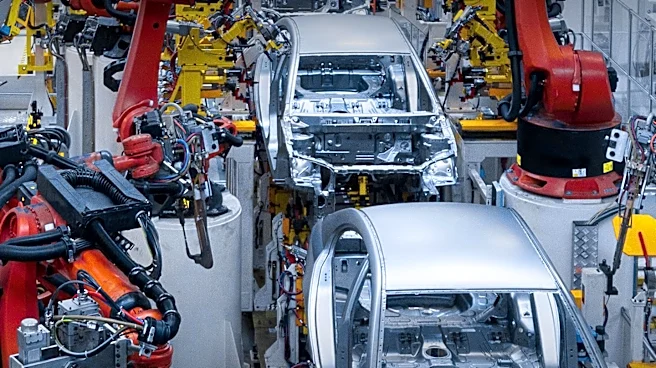
and transmission components, including cylinder heads, cylinder blocks, and transmission cases, often made from aluminum. The engineer will collaborate with a team and interact with plant operations personnel and suppliers, overseeing aspects such as tooling, gauging, and process documentation. Key responsibilities include delivering Manufacturing Delivery Quality Operating System requirements, working with Product Development on facility and tooling costs, and using virtual tools to assess new model designs for high-volume manufacturing. The position also involves creating and maintaining process sheets, leading the resolution of assembly and machining feasibility issues, and developing master schedules for tool implementation. The company emphasizes building world-class, state-of-the-art smart vehicles and continuously developing new technologies and processes to enhance efficiency.
Why It's Important?
This recruitment highlights Ford Motor Company's ongoing commitment to innovation and efficiency in its manufacturing processes, particularly in the production of critical engine and transmission components. The focus on advanced machining systems and virtual tools indicates a strategic investment in modernizing production lines and ensuring the quality and cost-effectiveness of vehicle parts. By seeking specialized engineering talent, Ford aims to streamline the launch of new models and improve existing manufacturing operations. This initiative is crucial for maintaining competitiveness in the automotive industry, as efficient production directly impacts vehicle quality, time-to-market, and overall profitability. The development of new technologies and processes also contributes to Ford's broader goal of delivering smart vehicles, which is essential for meeting evolving consumer demands and environmental standards. The role's emphasis on collaboration across departments underscores the integrated approach Ford is taking to product development and manufacturing.
What's Next?
The successful candidate will be instrumental in the launch and optimization of manufacturing processes for future Ford vehicles. This includes leading the installation and commissioning of machining and tooling at manufacturing sites, supporting tooling buyoffs at vendor facilities, and resolving any product and tooling issues during launch. A significant aspect of the role involves developing 'Lessons Learned' from new model launches to implement preventative actions in future programs, ensuring continuous improvement. The engineer will also support various departmental initiatives related to Safety, Quality, Delivery, Cost, People, Morale, Environment, and Innovation (SQDCPMEI), and interface with cross-functional teams such as Product Development and Material Planning & Logistics. This ongoing effort to refine manufacturing processes and integrate new technologies will be vital for Ford as it navigates the complexities of automotive production and introduces new vehicle models to the market.
Beyond the Headlines
The continuous investment in specialized engineering roles like the Launch Process Engineer reflects a broader trend in the automotive industry towards advanced manufacturing and digital transformation. As vehicles become more complex and incorporate sophisticated technologies, the precision and efficiency of component manufacturing become paramount. Ford's emphasis on virtual tools and data-driven decision-making in this role points to a strategic shift towards Industry 4.0 principles, where interconnected systems and real-time data optimize production. This approach not only enhances operational efficiency but also contributes to sustainability by reducing waste and improving resource utilization. The focus on developing 'Lessons Learned' and implementing preventative actions fosters a culture of continuous improvement, which is critical for long-term success in a rapidly evolving global market. This role, therefore, is not just about filling a vacancy but about strengthening Ford's foundational capabilities for future innovation and market leadership.