






What's Happening?
Office life, particularly prolonged periods of sitting and excessive screen time, is identified as a significant contributor to various health issues. Staring at screens for extended hours can lead to eye strain, headaches, and poor posture, while also
increasing exposure to blue light, which disrupts sleep and contributes to premature skin aging. Beyond screen-related problems, office workers often experience limited exposure to natural sunlight, which can disrupt circadian rhythms and hormone balance. Chronic work-related stress, dry recycled office air, and a tendency towards rushed, processed food choices further exacerbate health risks, potentially accelerating cellular aging and increasing the risk of chronic diseases. The article emphasizes the importance of regular breaks, hydration, and mindful routines to mitigate these effects.
Why It's Important?
This information is crucial for the U.S. workforce, as a large portion of the population spends significant time in office environments. The health implications, ranging from physical discomfort to increased risk of chronic diseases, can lead to higher healthcare costs, decreased productivity, and a reduced quality of life for employees. Businesses also face consequences through absenteeism, presenteeism, and the need for ergonomic adjustments. Recognizing these impacts highlights the need for both individuals and employers to implement strategies that promote a healthier work environment. Addressing issues like excessive screen time and sedentary behavior can lead to a more engaged, healthier, and productive workforce, ultimately benefiting the U.S. economy and public health.
What's Next?
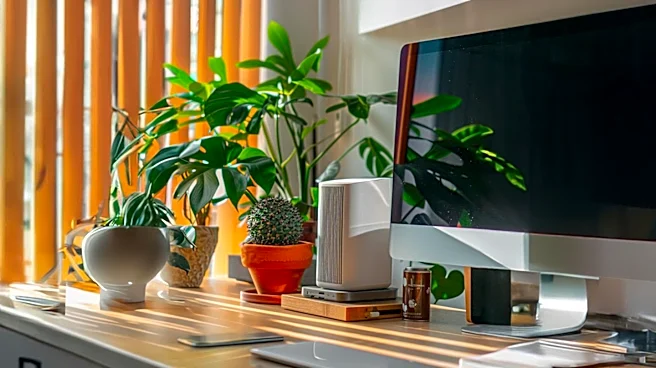
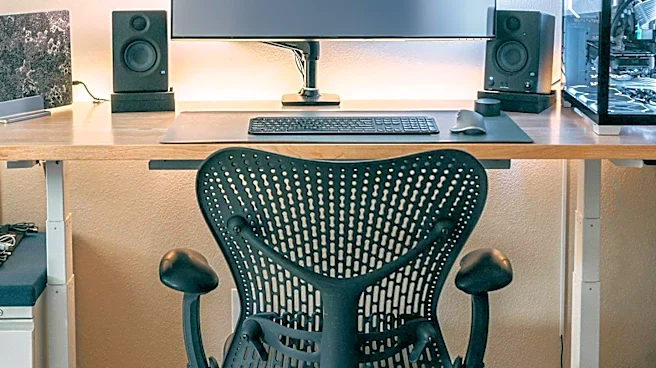
Individuals are encouraged to adopt proactive measures such as taking regular screen breaks, using blue light filters, staying hydrated, and incorporating physical activity throughout the day. Employers may increasingly focus on creating healthier office environments, potentially through ergonomic workstation designs, promoting natural light exposure, and offering wellness programs that encourage movement and stress reduction. The trend towards hybrid or remote work models might also be influenced by these findings, as both office and home-based work present unique health challenges that need to be addressed. Future workplace policies and health initiatives are likely to emphasize holistic well-being, integrating physical, mental, and environmental factors to counteract the negative impacts of modern work life.
Beyond the Headlines
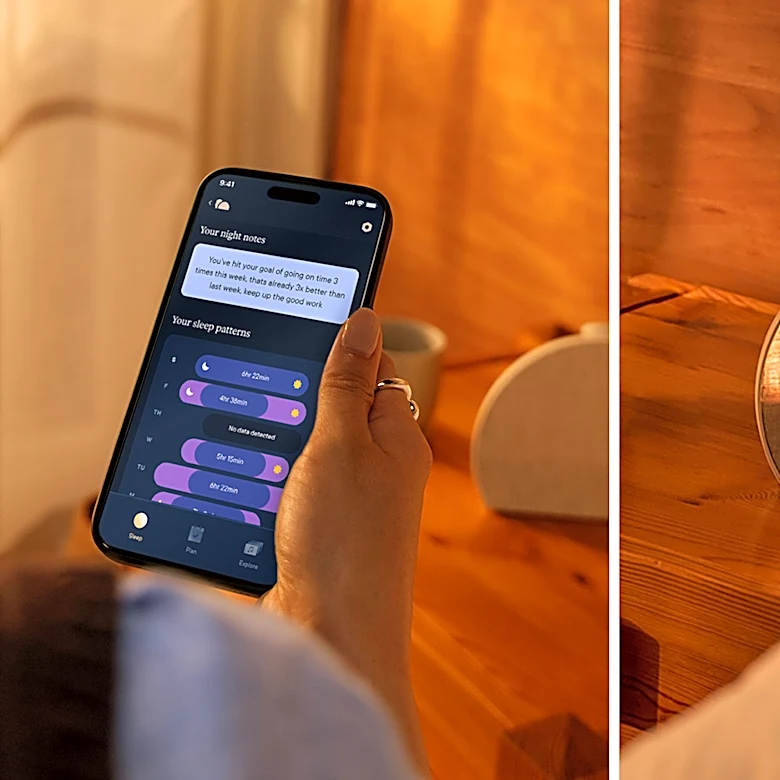
The discussion around office life's impact on health extends beyond immediate physical ailments to deeper societal and cultural implications. The normalization of prolonged screen time and sedentary work reflects a broader challenge in balancing technological advancement with human well-being. This issue touches upon the design of urban spaces, the culture of work-life balance, and the responsibility of corporations in fostering employee health. The long-term effects of these trends could include a redefinition of 'healthy work,' emphasizing preventative measures and a more integrated approach to health in professional settings. It also prompts a re-evaluation of how technology can be designed to support, rather than detract from, human health, potentially leading to innovations in ergonomic design, smart office environments, and digital tools that encourage breaks and mindful usage.