







What's Happening?
Maximo Wood, a prominent brand specializing in high-performance wood products, is expanding the availability of its thermally modified wood and hardwood products in the Dallas market. This expansion is being facilitated through a new partnership with
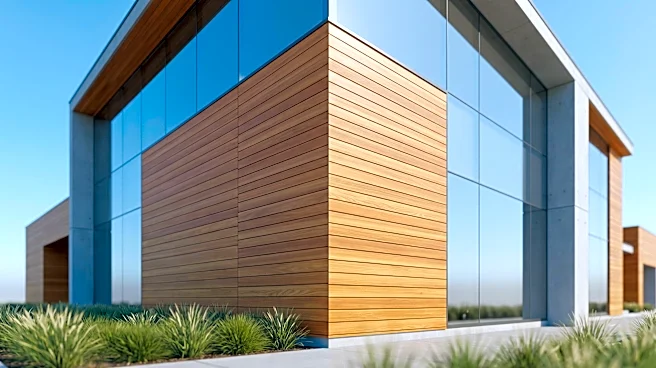
Lee Roy Jordan Lumber Company. Slevin Montague, Inside Sales Specialist at Boise Cascade, expressed enthusiasm for the collaboration, noting that Boise Cascade will serve as a distribution partner and supplier to Lee Roy Jordan Lumber Company. This partnership builds upon an existing long-standing relationship with Lee Roy Jordan and signifies a mutual commitment to exploring new market opportunities and fostering growth. David Jordan, owner of Lee Roy Jordan Lumber Company, confirmed that his company is now stocking Thermo Ayous siding from Maximo, highlighting the product's aesthetic qualities as a beautiful, clear, and lightweight option suitable for various cladding, ceiling, and soffit applications. Maximo Wood is at the forefront of the growing trend for thermally modified wood as a cladding solution for walls and ceilings, offering products in multiple sustainable wood species, including Ayous.
Why It's Important?
This partnership is significant for the U.S. construction and home renovation market, particularly in the Dallas region. It enhances the accessibility of advanced building materials, specifically thermally modified wood, which is gaining traction for its durability, aesthetic appeal, and sustainability. The collaboration between Maximo Wood, Boise Cascade, and Lee Roy Jordan Lumber Company streamlines the supply chain for these specialized products, potentially leading to increased adoption in residential and commercial projects. For consumers and builders, this means a wider selection of high-quality, environmentally friendly options for exterior and interior finishes. The emphasis on 'Thermo Ayous' as a beautiful and lightweight product suggests a focus on both design and practical benefits, which can influence architectural trends and construction practices. This move also underscores the growing demand for sustainable building solutions in the U.S., reflecting a broader shift in consumer preferences and industry standards towards more eco-conscious materials.
What's Next?
The immediate next step will involve the integration of Maximo Wood's thermally modified products into Lee Roy Jordan Lumber Company's inventory and distribution network in Dallas. This will likely be followed by marketing and sales efforts to introduce these new offerings to local builders, architects, and homeowners. The success of this partnership could serve as a model for further expansion of Maximo Wood's distribution in other U.S. markets, potentially through similar collaborations with established lumber and building material suppliers. The increased availability of thermally modified wood products may also spur innovation in construction design and application, as designers become more familiar with the material's properties and benefits. Furthermore, as the trend towards sustainable building materials continues, other manufacturers may follow suit, leading to a more competitive market and a broader range of eco-friendly options for U.S. consumers.
Beyond the Headlines
This partnership reflects a deeper industry trend towards specialized and sustainable building materials. Thermally modified wood, like Thermo Ayous, offers enhanced stability, durability, and resistance to decay without the use of chemicals, making it an attractive option for environmentally conscious construction. The collaboration between a high-performance wood brand, a major wood products company, and a regional lumber distributor illustrates how the industry is adapting to evolving market demands for both quality and sustainability. This shift has implications for the entire supply chain, from forestry practices to manufacturing processes and construction techniques. It also highlights the importance of strategic partnerships in expanding market reach for innovative products. As consumers become more educated about the environmental impact of building materials, the demand for products like thermally modified wood is likely to continue growing, influencing long-term material sourcing and construction standards across the U.S.