




What's Happening?
The RealReal, a prominent online marketplace for authenticated luxury resale goods, has officially opened its newest physical store in Glendale, California. Located at The Americana at Brand, this marks the company's third store in the Los Angeles area,
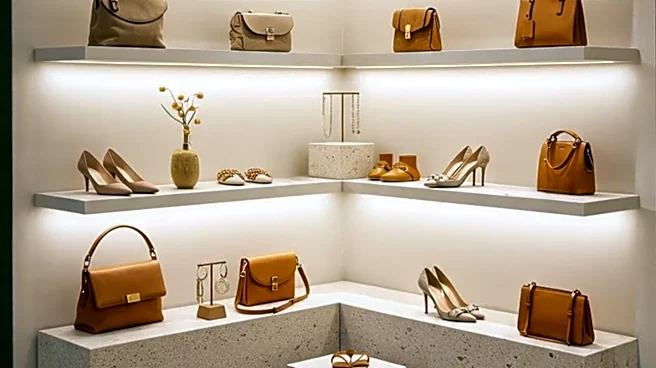
further expanding its footprint in Southern California. The new location offers a comprehensive luxury consignment and shopping experience, featuring a constantly updated selection of designer fashion, handbags, fine jewelry, watches, and accessories from high-end brands such as Chanel, Hermès, Louis Vuitton, and Rolex. Customers can engage in one-on-one consultations with luxury experts for consignment services, receive valuations, and explore curated luxury items. The store also provides private appointments for high-value pieces and a special offer of a $100 in-store credit for consigning an accepted item. This expansion aligns with a growing consumer trend towards luxury resale, particularly among Gen Z and Millennial demographics, who show increased demand for vintage and unique fashion pieces.
Why It's Important?
The opening of The RealReal's Glendale store signifies the increasing mainstream acceptance and growth of the luxury resale market in the United States. This physical expansion by a major online player demonstrates a strategic move to capture a broader customer base by offering tangible, in-person services alongside its digital platform. For consumers, it provides more accessible options for both selling pre-owned luxury items and purchasing authenticated pieces, contributing to a more sustainable fashion ecosystem. The focus on personalized consignment services and expert valuations enhances trust and convenience, which are crucial in the high-value luxury market. The company's data, indicating a significant rise in demand for vintage and 2000s fashion, particularly among younger generations, highlights a shift in consumer preferences towards unique, expressive, and environmentally conscious shopping habits. This trend could influence traditional luxury retailers to consider their own strategies regarding secondary markets and sustainability.
What's Next?
The RealReal's continued physical expansion suggests a broader strategy to integrate online and offline retail experiences, potentially leading to more store openings in key luxury markets across the U.S. The company will likely continue to leverage its in-store expert consultations and valuation services to attract consignors and buyers, reinforcing its position as a trusted authenticator in the resale market. As consumer interest in sustainable and unique luxury items grows, The RealReal may further invest in technology, such as AI, to enhance its authentication processes and optimize pricing, as mentioned in its operational strategy. The success of this new store could also encourage competitors in the luxury resale space to explore similar hybrid retail models, intensifying competition and potentially leading to further innovation in customer service and product offerings within the sector. The company will likely monitor sales performance and customer engagement at the Glendale location to inform future expansion and service enhancements.
Beyond the Headlines
This expansion reflects a significant cultural shift in how luxury goods are perceived and consumed. The rise of the resale market challenges the traditional linear model of luxury consumption, promoting a circular economy where items retain value and utility over longer periods. This not only has environmental benefits by reducing waste but also democratizes access to luxury brands, making them more attainable for a wider audience. The emphasis on 'authenticated' goods addresses a critical concern in the resale market, building consumer confidence and trust. Furthermore, the increasing engagement of Gen Z and Millennials in luxury resale indicates a generational preference for individuality, sustainability, and value, which could reshape the future of the luxury industry. Brands that adapt to this evolving consumer mindset, potentially by embracing or collaborating with resale platforms, may gain a competitive advantage, while those that resist might find themselves out of step with modern luxury consumers.