



What's Happening?
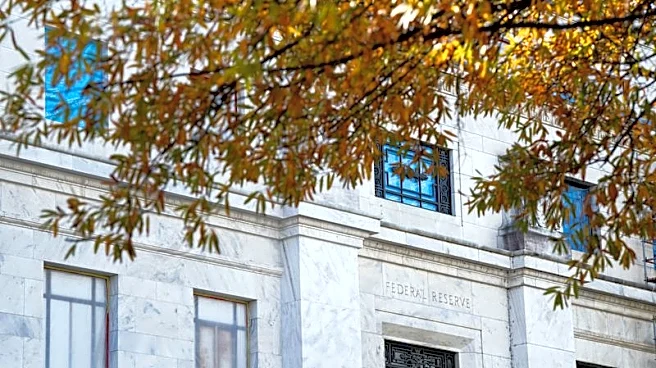
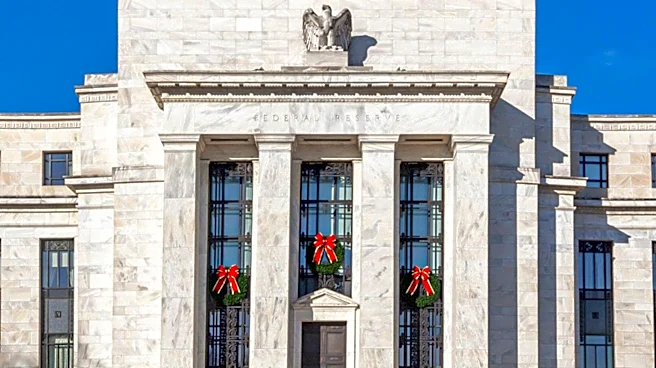
Christopher Waller, a director of the U.S. Federal Reserve, stated on November 10th that a 0.5 percentage point interest rate hike should be considered at the December meeting if inflation trends do not subside. Waller assessed that the Fed’s current
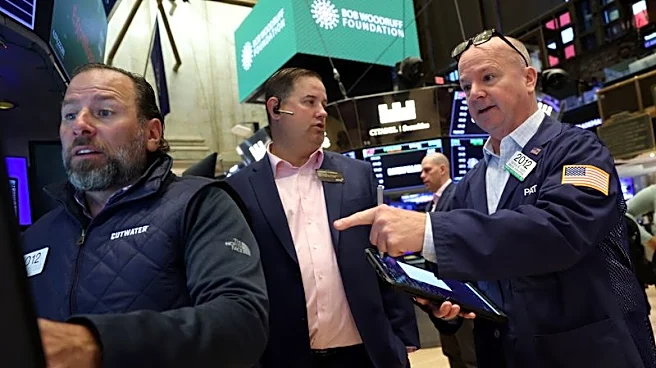
monetary policy might not be as tight as previously thought. While he expressed a desire to avoid a rapid recession, he emphasized the need to reverse the three precautionary rate cuts implemented last year. The October core Consumer Price Index (CPI) growth rate, announced after his speech, reached 0.3%, aligning with the level Waller presented as a basis for considering a larger rate increase. Following these comments and inflation data, the probability of a December rate hike rose to 100% according to the Chicago Mercantile Exchange (CME) FedWatch, with the likelihood of a 0.5 percentage point increase climbing to 11.5% from 0%.
Why It's Important?
Governor Waller's hawkish stance signals a potential shift towards more aggressive monetary tightening by the Federal Reserve. This is significant because a 0.5 percentage point hike, often referred to as a 'big step,' indicates a heightened concern among policymakers about the persistence of inflation. Such a move would directly impact borrowing costs for consumers and businesses, potentially slowing economic activity more rapidly. For the housing market, higher rates could further reduce affordability and dampen demand. Businesses might face increased costs of capital, affecting investment and expansion plans. The market's immediate reaction, with a 100% probability of a rate hike priced in, reflects the seriousness with which investors are taking these signals, suggesting a period of increased volatility and adjustment across financial sectors.
What's Next?
The Federal Reserve's December meeting will be closely watched for the actual decision on interest rates. Given Governor Waller's comments and the latest inflation data, the possibility of a 0.5 percentage point hike is now firmly on the table. Market participants will be scrutinizing all upcoming economic data, particularly inflation reports and employment figures, for further clues on the Fed's direction. Other Fed officials' statements leading up to the December meeting will also be critical in shaping expectations. Businesses and consumers should prepare for potentially higher borrowing costs, which could influence spending and investment decisions in the coming months. The Fed's communication will be key in managing market expectations and avoiding undue economic disruption.
Beyond the Headlines
The discussion around a 0.5 percentage point rate hike highlights a deeper debate within the Federal Reserve regarding the appropriate pace and magnitude of monetary policy adjustments in the current economic climate. The 'precautionary cuts' mentioned by Waller suggest a recognition that previous easing measures might have been overly accommodative, contributing to current inflationary pressures. This situation underscores the challenge central banks face in calibrating policy in real-time, balancing the risks of inflation with the desire to avoid a recession. The Fed's willingness to consider a larger hike also indicates a potential shift in its reaction function, prioritizing inflation control more aggressively even if it means accepting a higher risk of slowing economic growth. This could set a precedent for future policy responses to persistent inflationary pressures.