


What's Happening?
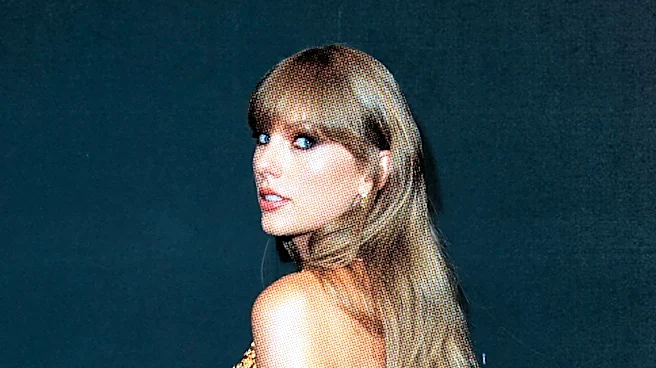
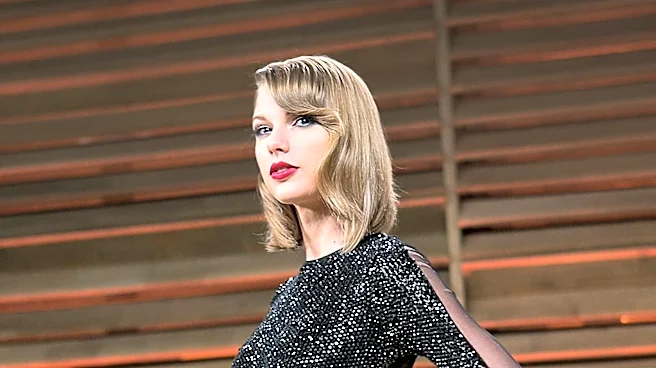
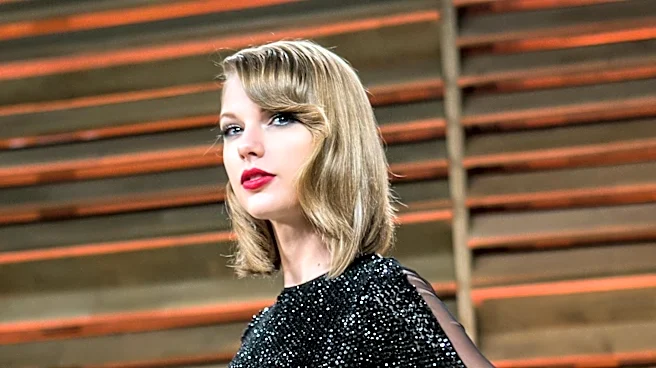
Vanity Fair has published an article titled “The Mastermind” that has drawn significant criticism for its unconventional tone and its portrayal of an unnamed pop star as a “vindictive bully.” The piece, which reportedly took a year to develop and involved
interviews with over 100 individuals, never explicitly names its subject, though it is widely understood to be Taylor Swift. According to Status, the article's origin involved editorial director Mark Guiducci, who commissioned it as cultural commentary. The author, May Jeong, has faced severe backlash from the pop star's fans and anonymous sources close to the singer, leading the Committee to Protect Journalists to contact Jeong as a precautionary measure. Former editor-in-chief of People, Dan Wakeford, commented that the blind item format is ineffective when the subject's identity is obvious.
Why It's Important?
This incident highlights the complex dynamics between celebrity journalism, fan culture, and journalistic ethics. The intense backlash against Vanity Fair and May Jeong underscores the power of celebrity fan bases and their ability to mobilize against perceived negative portrayals of their idols. For media outlets, this event raises questions about the effectiveness and ethical implications of using blind item formats, especially when the subject is easily identifiable. The involvement of the Committee to Protect Journalists, typically associated with threats against journalists in more politically charged environments, signals the severity of the online harassment Jeong has experienced. This situation could influence how publications approach celebrity profiles and manage potential public relations crises in the future, particularly concerning highly influential figures.
What's Next?
The immediate future will likely see continued discussion and debate surrounding the article's content and the backlash it has generated. Vanity Fair, under editorial director Mark Guiducci, may continue to face scrutiny regarding its editorial choices and its willingness to provoke powerful figures. The Committee to Protect Journalists' involvement suggests ongoing monitoring of the situation to ensure Jeong's safety and professional integrity. This event could also prompt a broader conversation within the media industry about the responsibilities of journalists when covering celebrities and the potential consequences of such coverage, particularly in the age of social media and highly engaged fan communities. The pop star's camp may choose to issue a formal response, further escalating or de-escalating the situation.
Beyond the Headlines
The controversy surrounding “The Mastermind” delves into deeper implications concerning the nature of celebrity power and media influence. The article's attempt to portray a powerful figure in a critical light, coupled with the subsequent fan-led counter-campaign, illustrates a shift in how public narratives are shaped and contested. It raises questions about the boundaries of journalistic inquiry when faced with immense public adoration and the potential for a 'cancel culture' response. Furthermore, the use of a blind item format, while intended to add intrigue or protect sources, can backfire by creating an impression of evasiveness or cowardice, thereby undermining the article's credibility. This incident could contribute to a re-evaluation of journalistic practices in the digital age, where the line between reporting and public relations often blurs, and where the subjects of stories can wield significant power over their own narratives.