






What's Happening?
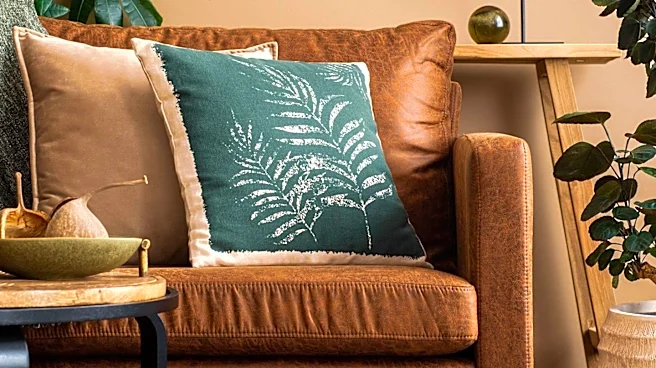
Wabi Sabi Hawaii, a furniture retailer, has provided comprehensive guidance on selecting and maintaining leather sofas, particularly emphasizing considerations for Hawaii's humid climate. The company highlights that a quality leather sofa, constructed
with a kiln-dried hardwood frame and full-grain or top-grain leather, should last 15-25 years with proper care. In contrast, bonded leather sofas typically last only 2-5 years before peeling. The advice covers various aspects of leather quality, frame construction, cushion density, and joinery, detailing how these factors influence durability and appearance over time. For Hawaii's climate, Wabi Sabi Hawaii specifically recommends conditioning leather every four months, as opposed to the standard six months in drier climates, to counteract the effects of salt air and moisture. They also caution against bonded leather due to its tendency to trap moisture and degrade faster in high-humidity environments. The company also advises on proper placement, suggesting keeping sofas at least two feet from direct sunlight and heat sources to prevent fading and drying.
Why It's Important?
This guidance is crucial for consumers in Hawaii and other humid regions, as it directly addresses the challenges of furniture longevity in such environments. Investing in a high-quality leather sofa represents a significant financial commitment, and understanding the nuances of leather grades and construction can prevent costly premature replacements. The emphasis on full-grain and top-grain leather, along with specific maintenance routines for humid conditions, helps consumers make informed decisions that align with their local climate. For the furniture industry, this highlights the importance of offering products suitable for diverse environmental conditions and providing clear care instructions. It also underscores the potential for businesses like Wabi Sabi Hawaii to differentiate themselves by offering climate-specific expertise and products, thereby building trust and customer loyalty in niche markets. Consumers who follow these recommendations stand to gain longer-lasting furniture and better value for their investment, while those who overlook these details risk dissatisfaction and financial loss.
What's Next?
Consumers in Hawaii and similar climates are likely to increasingly prioritize furniture made with durable materials and specific care requirements in mind. This could lead to a greater demand for full-grain and top-grain leather products and a decline in the market for bonded leather in these regions. Furniture retailers may need to adapt their inventory and marketing strategies to emphasize climate-appropriate options and provide more detailed care instructions. Manufacturers might also focus on developing materials and construction methods that are more resilient to humidity and other environmental factors. Furthermore, the advice on ordering swatches and visiting showrooms before purchase suggests a continued importance of in-person evaluation for high-value furniture items, even in an increasingly online retail landscape. This could encourage more localized retail experiences that cater to specific regional needs and preferences.
Beyond the Headlines
The detailed advice from Wabi Sabi Hawaii extends beyond mere product recommendations, touching upon broader themes of sustainable consumption and informed decision-making. By advocating for higher-quality, longer-lasting furniture, the company implicitly promotes a more sustainable approach to home furnishings, reducing the frequency of replacements and minimizing waste. The discussion of leather grades and construction quality also educates consumers on the craftsmanship and material science behind durable goods, fostering a greater appreciation for quality over immediate cost savings. This approach can empower consumers to become more discerning buyers, moving away from disposable consumption patterns. Moreover, the specific considerations for Hawaii's climate highlight the often-overlooked impact of local environmental factors on product performance and longevity, encouraging a more holistic view of product suitability and care. This localized expertise can serve as a model for other industries facing similar challenges in diverse geographical contexts.