





What's Happening?
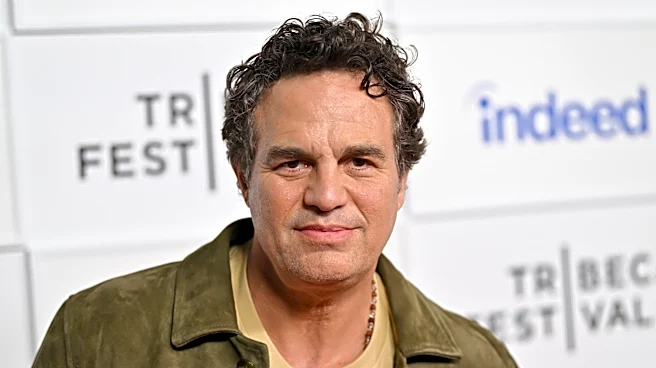
Actor Mark Ruffalo has publicly denied accusations of antisemitism leveled against him by Paramount. The controversy arose after Ruffalo shared a video featuring former Oracle executive vice chair Safra Catz discussing Oracle's support for Israeli military
technology. Ruffalo's post criticized Oracle's involvement in what he termed a 'genocide' and an 'apartheid system of oppression,' and also highlighted concerns about the potential merger between Paramount and Warner Bros. He argued that this merger could have significant consequences for the country, emphasizing the need to scrutinize Oracle's business practices, including its data, surveillance technology, and government contracts. Paramount, in response, stated its concern that antisemitic tropes were being invoked under the guise of a business dispute, asserting that terms like 'genocide' and 'apartheid' were inappropriate in the context of a corporate transaction. Ruffalo clarified that his criticism was directed at military actions, technology contracts, and corporate executives, not at Jewish people, expressing deep love and respect for the Jewish community.
Why It's Important?
This dispute underscores the increasing intersection of corporate actions, geopolitical conflicts, and celebrity activism within the U.S. media landscape. Ruffalo's comments and Paramount's reaction highlight the sensitive nature of discussions surrounding the Israeli-Palestinian conflict and the potential for accusations of antisemitism to arise in corporate critiques. The controversy also brings attention to the ethical implications of technology companies' involvement in military contracts and the broader impact of media consolidations, such as the proposed Paramount-Warner Bros. merger, on editorial freedom and employment. For Oracle, the criticism draws scrutiny to its role in providing technology to foreign militaries, potentially affecting its public image and stakeholder relations. For Paramount, the incident could complicate its merger efforts by drawing negative attention and raising questions about its corporate values and handling of public criticism from prominent figures.
What's Next?
The immediate next steps will likely involve continued public discourse surrounding Ruffalo's statements and Paramount's response. It remains to be seen if other public figures or advocacy groups will weigh in on the debate, potentially escalating or de-escalating the controversy. The proposed Paramount-Warner Bros. merger will continue to be a focal point, with Ruffalo's criticisms adding another layer of scrutiny to the deal. Stakeholders, including investors, employees, and consumers, will be watching how both Ruffalo and Paramount manage their public images and address the ethical and business implications raised. Further, the incident could prompt broader discussions within the entertainment industry regarding the responsibilities of public figures in addressing sensitive geopolitical issues and the boundaries of corporate criticism.
Beyond the Headlines
This incident delves into the complex interplay between freedom of speech, corporate responsibility, and the fight against antisemitism. It raises questions about where the line is drawn between legitimate criticism of government or corporate actions and the invocation of harmful stereotypes. The use of terms like 'genocide' and 'apartheid' in a corporate context, as highlighted by Paramount, sparks a debate about the appropriate application and impact of such powerful language. Furthermore, the controversy reflects a growing trend where celebrities leverage their platforms to influence public opinion on global issues, often leading to clashes with powerful corporations. This situation could set a precedent for how media companies and public figures navigate politically charged discussions, particularly concerning international conflicts and the role of technology in warfare, potentially influencing future corporate-activist engagements and media ethics.