



What's Happening?
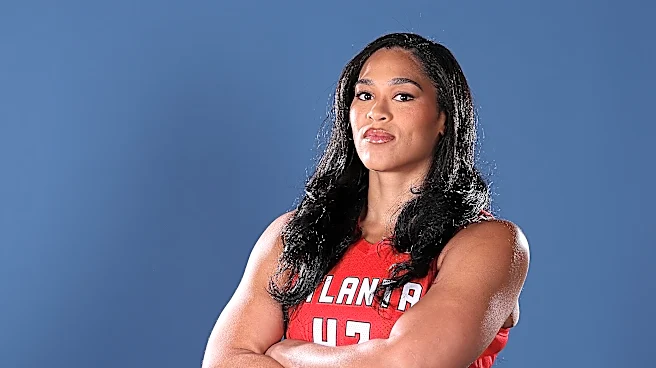
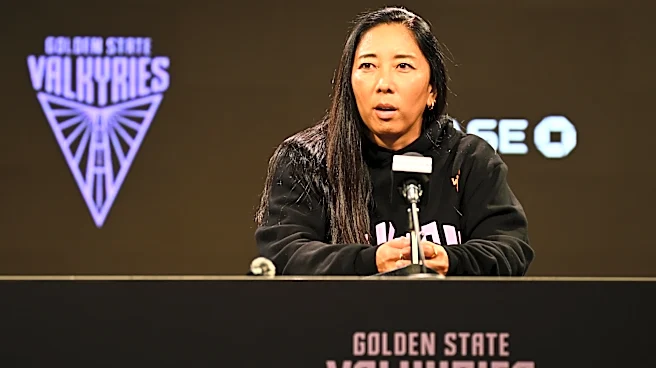
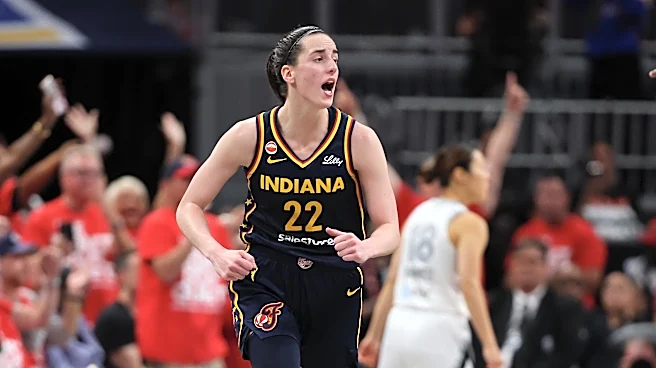
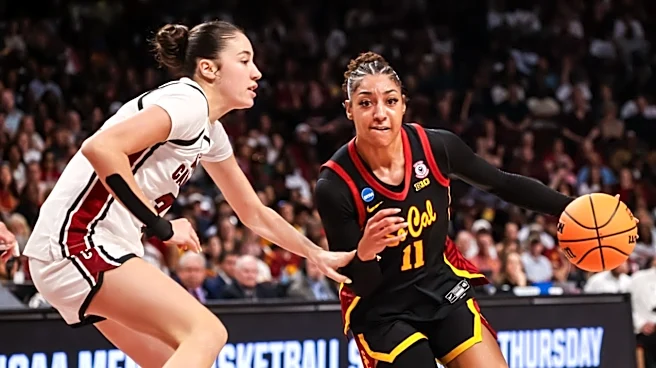
WNBA legend Candace Parker and Indiana Fever star Aliyah Boston have voiced their reservations regarding USC's Jazzy Davidson's call for an earlier WNBA draft eligibility for college athletes. Davidson believes the current eligibility rule is outdated,
advocating for college players to have the freedom to turn professional sooner. However, Parker, on her 'Post Moves' podcast with Boston, suggested that it is too early to implement such drastic changes, especially with the league being only one year into its new Collective Bargaining Agreement (CBA). Boston echoed Parker's sentiments, expressing surprise at the idea of a 19-year-old entering the WNBA and emphasizing the importance of the current rules for player development and readiness for the league's physicality and speed. The current WNBA rules require American players to be 22 years old during the draft year, graduate from a four-year college within three months of the draft, or be at least four years removed from high school.
Why It's Important?
The debate over WNBA draft eligibility rules highlights a significant discussion within women's professional basketball regarding player development, financial opportunities, and the league's long-term sustainability. The WNBA's recent CBA has dramatically increased player salaries, with the team salary cap rising from approximately $1.5 million to $7 million, and the average salary now around $583,000. This financial shift makes turning professional earlier more appealing for college athletes. However, Parker and Boston's perspective underscores the value of college experience for physical and mental readiness for the demanding professional league. Changing the rules could impact the competitive balance of the league, the development pathways for young talent, and the financial stability of college basketball programs, which rely on star players for viewership and revenue. The discussion also brings to light the differing eligibility requirements between the WNBA and the NBA, where players can declare for the draft at 19 or after one year out of high school.
What's Next?
While Candace Parker and Aliyah Boston acknowledge the potential for future changes to the WNBA's draft eligibility requirements, they suggest a more gradual approach. Parker specifically mentioned that three years of college basketball could be a reasonable middle ground, rather than the current four-year requirement, if changes are to be considered. This indicates that while immediate drastic changes are unlikely, the conversation around evolving eligibility rules will continue as the WNBA grows and player compensation increases. The league's trajectory suggests that a future adjustment to its draft eligibility requirements is possible, but it will likely involve careful consideration of player readiness, the impact on college basketball, and the overall health of the professional league. Stakeholders, including players, coaches, and league officials, will likely continue to discuss and evaluate these rules in the coming years.
Beyond the Headlines
This discussion extends beyond mere rule changes, touching upon the evolving landscape of women's sports and the professionalization of female athletes. Historically, college degrees provided a crucial safety net for WNBA players due to lower salaries. With significantly increased compensation under the new CBA, the financial imperative for a full four-year college education before turning professional is diminishing. This shift could lead to a re-evaluation of the traditional pathway for female basketball players, potentially mirroring the NBA's model more closely over time. The debate also highlights the agency of athletes like Jazzy Davidson, who are advocating for greater control over their career paths. The long-term implications could include a more competitive college basketball environment as players weigh professional opportunities against collegiate development, and a potential acceleration of talent into the WNBA, further elevating the league's profile and competitiveness.