






What's Happening?
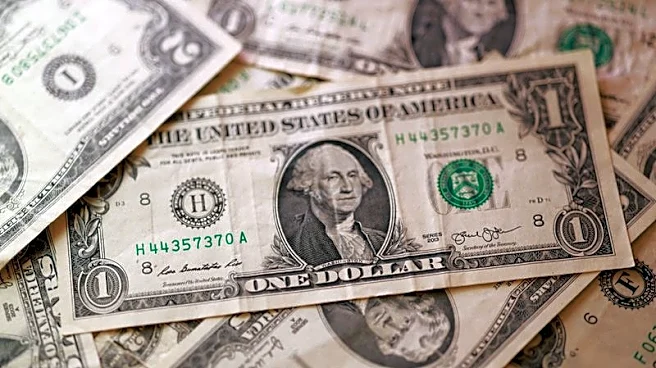
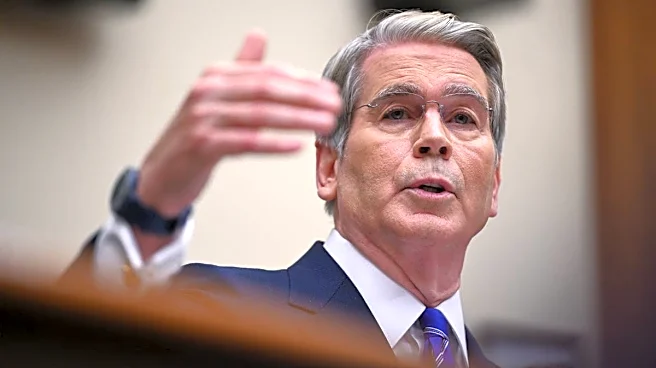
U.S. Treasury Secretary Scott Bessent stated that digital assets, particularly dollar-backed stablecoins, are crucial for reinforcing the U.S. dollar's global dominance. Speaking at Ripple’s Swell conference on October 27, 2026, alongside Ripple CEO Brad
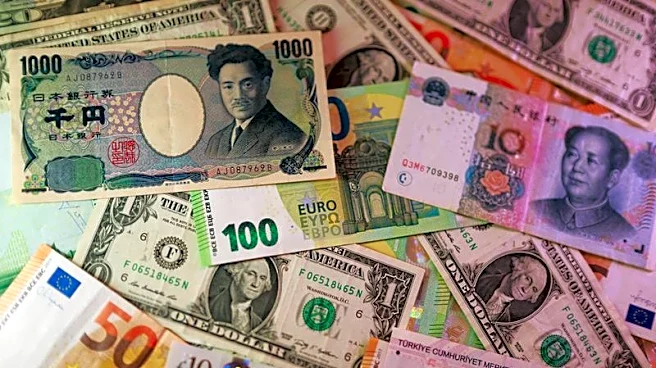
Garlinghouse, Bessent highlighted that technological leadership is increasingly vital for global reserve currencies. He identified digital assets, artificial intelligence, and semiconductors as key strategic technologies in the competition between the United States and China. Bessent emphasized that while military strength has historically underpinned the dollar's dominance, a 'technological umbrella' is now becoming paramount. He noted that over 90% of stablecoins are denominated in U.S. dollars, creating opportunities to expand access to dollar-based financial services globally. Bessent also addressed the legislative setback of the Digital Asset Market Clarity Act, suggesting that the Treasury Department could coordinate with the Securities and Exchange Commission (SEC) and Commodity Futures Trading Commission (CFTC) to establish clearer regulatory expectations for digital assets.
Why It's Important?
This development is significant as it signals a strategic shift in how the U.S. government views digital assets, moving beyond mere speculative investments to recognizing their potential as infrastructure for monetary influence and sovereign financing. By positioning dollar-backed stablecoins as a tool to expand dollar demand and finance Treasury securities, the U.S. aims to strengthen its economic competitiveness and global financial influence. The increased demand for U.S. Treasury securities, driven by stablecoin reserves, could provide an important source of funding for the U.S. Treasury. Furthermore, Bessent's comments underscore the administration's objective of establishing the United States as a leading jurisdiction for digital asset businesses, which could attract innovation and investment in the sector. The emphasis on regulatory coordination, despite legislative setbacks, indicates a proactive approach to addressing market uncertainties and fostering a more stable environment for digital asset growth.
What's Next?
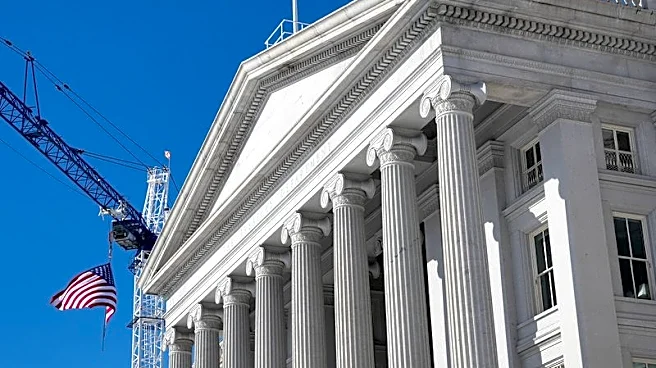
Following the legislative setback of the Digital Asset Market Clarity Act, the Treasury Department is expected to coordinate with the SEC and CFTC to establish clearer regulatory expectations for digital assets. While administrative measures may lack the permanence of comprehensive legislation, they could provide much-needed guidance for the industry. Bessent also suggested that regulators could establish safeguards against 'debanking,' a practice where cryptocurrency companies lose access to traditional financial services. The effectiveness of stablecoins in strengthening dollar dominance will depend on international adoption, the implementation of regulatory frameworks, and whether digital payment infrastructure genuinely generates additional demand for U.S. financial assets. The administration's continued focus on positioning the U.S. as a leader in digital assets suggests ongoing efforts to integrate these technologies into the broader financial system.
Beyond the Headlines
The Treasury Secretary's remarks highlight a deeper geopolitical and economic competition, particularly with China, where technological leadership is increasingly intertwined with financial influence. The shift from military dominance to a 'technological umbrella' signifies a recognition that control over digital infrastructure and financial innovation is crucial for maintaining global power. The integration of stablecoins into the U.S. financial strategy raises questions about the future of traditional banking and the potential for a more decentralized global financial system, albeit one still anchored by the U.S. dollar. The ethical and legal implications of increased government oversight in the digital asset space, particularly concerning privacy and data security, will also be a critical area to watch as regulatory frameworks evolve. This strategic embrace of digital assets could redefine the mechanisms of international finance and trade in the coming decades.