


What's Happening?
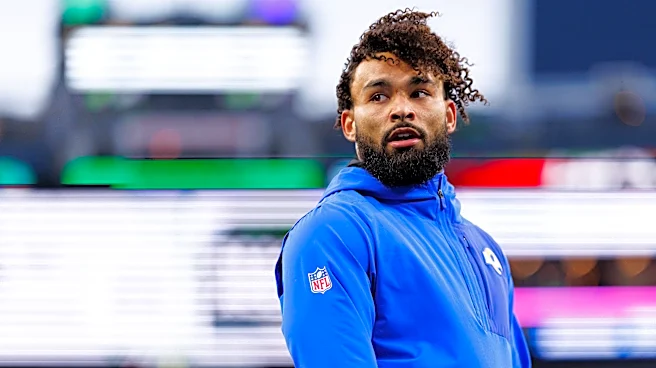
Los Angeles Rams running back Kyren Williams has publicly commented on the highly anticipated release of Grand Theft Auto VI and its potential influence on NFL players during the current season. Williams expressed his personal excitement for the game,
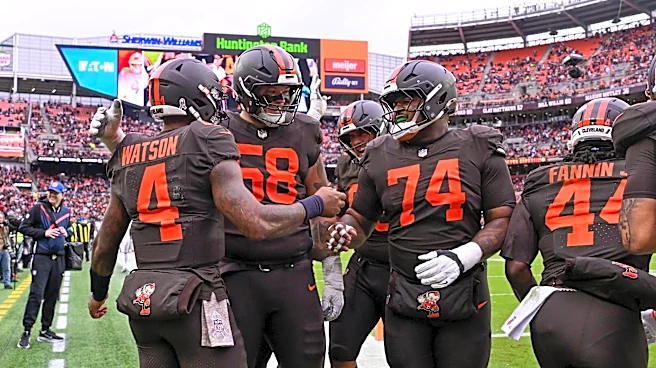
noting that its release coincides with the Rams' bye week, which he described as 'the best week ever.' However, he also voiced a desire for his team, the Rams, to remain focused on their football commitments, including getting adequate rest and being punctual for practice. Conversely, Williams humorously stated his hope that players on opposing NFL teams would become engrossed in the new video game, playing 'all day, all night and twice on Sunday,' potentially distracting them from their on-field preparations. This sentiment highlights a broader discussion within the league about how major pop culture events, like a significant video game release, might affect player focus during a demanding professional sports season. Cleveland Browns quarterback Deshaun Watson also echoed similar thoughts, suggesting that many players are currently more preoccupied with GTA VI than with playoff prospects.
Why It's Important?
The comments from Kyren Williams and Deshaun Watson underscore a unique intersection of professional sports and popular culture, revealing how external factors can potentially influence athlete focus and performance. For NFL teams, maintaining peak concentration and discipline is crucial, especially as the season progresses towards critical games and potential playoff berths. A widespread distraction, even one as seemingly innocuous as a video game, could theoretically impact team preparation, individual player performance, and overall game outcomes. This situation highlights the challenges faced by coaching staffs and team management in ensuring players remain committed to their professional responsibilities amidst significant cultural events. It also sheds light on the personal lives of athletes, demonstrating that they, like many others, are engaged with popular entertainment, which can create a dynamic tension between personal interests and professional demands. The humorous yet pointed remarks from players suggest a recognition of this potential conflict within the locker room and across the league.
What's Next?
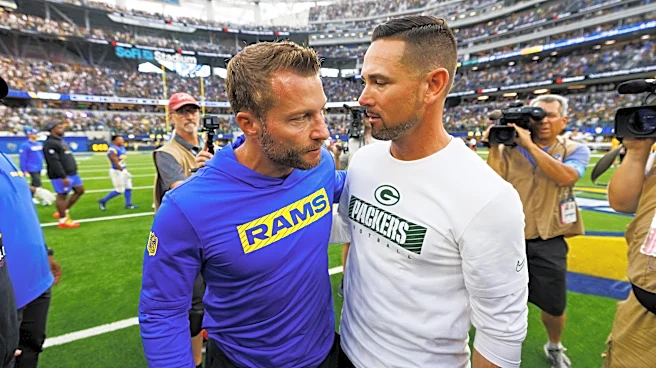
As the NFL season continues and Grand Theft Auto VI is released, the league and individual teams will likely monitor player engagement and ensure that professional responsibilities remain paramount. While no formal policies are expected to be implemented directly in response to a video game release, team leadership will continue to emphasize focus, discipline, and adherence to schedules. Players, like Williams, will need to balance their personal interests with their demanding professional careers, especially as the Rams prepare for crucial upcoming games, including a significant matchup against the Green Bay Packers. The ongoing narrative around player focus and external distractions may continue to be a topic of discussion among sports analysts and fans, particularly if any team's performance is perceived to be affected. Ultimately, the ability of players to manage their time and maintain their commitment to football will be key in navigating this period.
Beyond the Headlines
This situation extends beyond a simple discussion of video games and sports; it touches upon the broader theme of managing distractions in high-stakes professional environments. In an increasingly connected world, professional athletes, like individuals in many demanding careers, face a constant barrage of external stimuli and entertainment options. The humorous remarks from NFL players about GTA VI subtly highlight the human element of professional sports—athletes are not just performers but individuals with personal interests and hobbies. This scenario could spark deeper conversations within sports psychology and team management about effective strategies for maintaining focus and mental well-being in an era of pervasive digital entertainment. It also reflects the immense cultural impact of major entertainment releases, demonstrating their ability to permeate even highly structured professional domains like the NFL, prompting a re-evaluation of how organizations support their members in balancing personal engagement with professional demands.