






What's Happening?
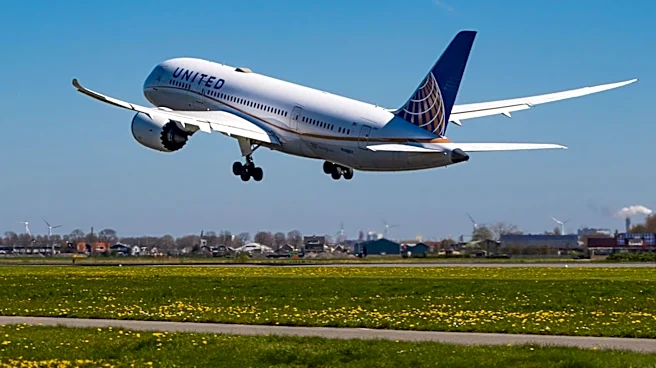
United Airlines is implementing significant changes to its MileagePlus frequent flyer program, effective for the 2027 qualification year. The airline is eliminating the option for members to earn elite status partially based on the number of flight segments
flown annually. Instead, starting January 1, 2027, Premier status will solely be determined by Premier Qualifying Points (PQPs). These points are earned through eligible flight spending, award travel, and qualifying United credit card expenditures. While the PQP thresholds for Premier Silver and Gold tiers will remain consistent with the previous points-only option, the highest tier, Premier 1K, will require an increased 32,000 PQPs, up from 28,000 in 2026. Despite these changes, MileagePlus members will still need to complete a minimum of four flights on United or United Express jets each year to be eligible for any Premier status. United's President of MileagePlus, Jarad Fisher, described the flight segments metric as an "old relic," stating the airline aims for a more consistent metric across flight activity and airline engagement.
Why It's Important?
This shift by United Airlines represents a strategic move to prioritize revenue-generating activities and credit card engagement over sheer flight volume for elite status qualification. By removing flight segments as a partial path to status, United is effectively making it more challenging for frequent, but potentially lower-spending, travelers to achieve or maintain elite benefits. This change could lead to a consolidation of elite status among higher-spending customers and those who heavily utilize United's co-branded credit cards. The airline's focus on PQPs, which are directly tied to spending, aligns with a broader industry trend seen with competitors like American Airlines and Delta Air Lines, who have also adjusted their loyalty programs to reward higher-value customers. For consumers, this means a greater emphasis on the financial commitment to the airline, either through ticket purchases or credit card spending, to unlock perks like upgrades, lounge access, and bonus miles. This could influence booking behaviors, potentially encouraging travelers to consolidate their spending with United to maximize PQP accumulation.
What's Next?
Starting January 1, 2027, MileagePlus members will need to adapt their strategies for earning elite status, focusing exclusively on accumulating Premier Qualifying Points (PQPs). United cardholders with existing Premier status will receive a 5% head start on the points needed for their previous year's status level at the beginning of each new year, offering a slight advantage. The airline's previous overhauls this year, including changes to mileage earnings for basic economy flights, indicate a continued evolution of its loyalty program. Travelers will likely see further adjustments in how they earn and redeem miles, with an ongoing emphasis on rewarding direct spending and credit card usage. Competitors may observe the impact of these changes on United's customer base and potentially adjust their own loyalty programs in response, leading to a dynamic landscape in airline frequent flyer benefits. Passengers who previously relied on flight segments for status will need to re-evaluate their travel patterns and spending habits to maintain their desired elite tier.
Beyond the Headlines
The move by United Airlines to streamline its elite status qualification to a single, spending-based metric reflects a deeper industry trend towards monetizing customer loyalty more directly. This shift could exacerbate the divide between high-value and budget travelers, potentially leading to a more stratified passenger experience. While the airline frames this as a simplification, it effectively raises the bar for entry into its most exclusive tiers, potentially alienating some loyal customers who fly frequently but at lower price points. The increased reliance on co-branded credit cards for PQP accumulation also highlights the growing importance of financial partnerships in the airline industry, turning loyalty programs into powerful tools for both travel and financial services. This could lead to a future where airline loyalty is less about the sheer act of flying and more about a comprehensive financial relationship with the carrier, impacting consumer choice and competition within the travel sector.