





What's Happening?
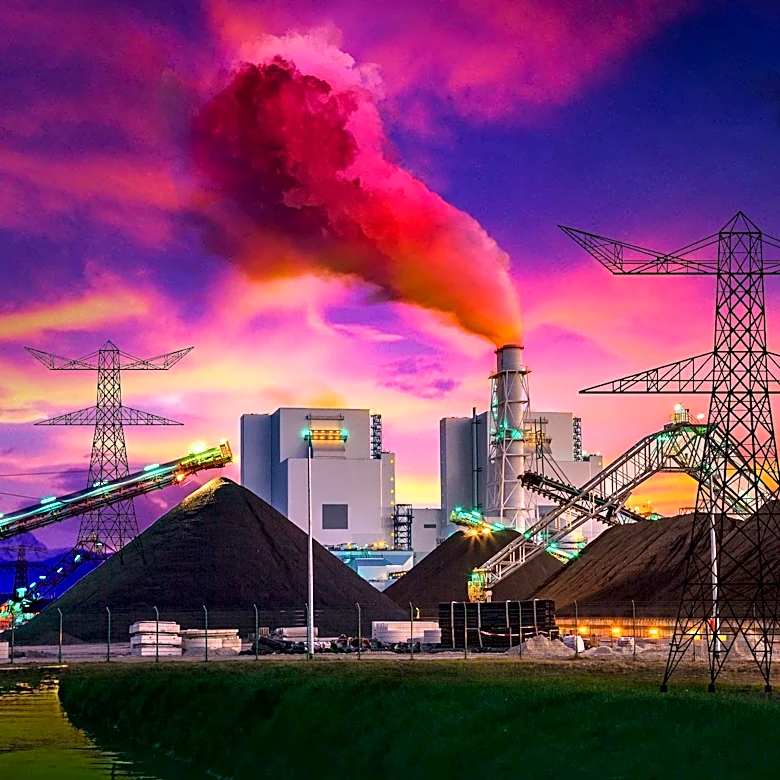
Aclara Resources has received a letter of interest from the Export-Import Bank of the United States (EXIM) for up to $750 million in financing for its proposed rare earths processing plant, Project Dynamo, at the Port of Vinton, Louisiana. While the plant is projected
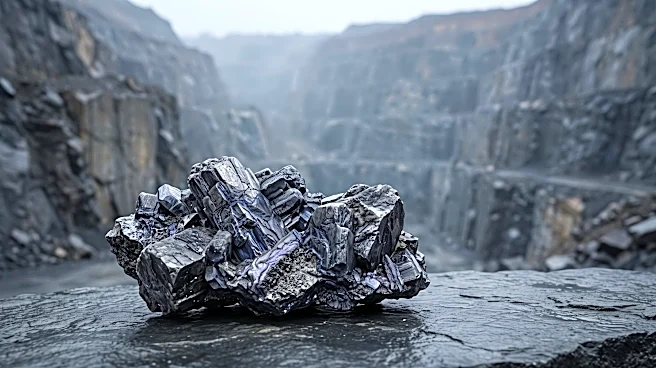
to cost approximately $277 million to build, the potential $750 million ceiling from EXIM indicates a willingness to fund downstream expansions or other supply chain developments under the 'Make More in America' manufacturing initiative. Project Dynamo aims to extract heavy rare earths from ores sourced from mines in Brazil and Chile, processing them into individual rare earth oxides. These materials are crucial for manufacturing electric vehicles, defense systems, robotics, and power generation equipment for AI applications.
Why It's Important?
This potential federal funding is a significant step towards strengthening the U.S. critical minerals supply chain, reducing reliance on foreign sources, particularly China, which currently dominates the rare earths market. The 'Make More in America' initiative, launched by EXIM in 2022, specifically targets projects that revitalize domestic manufacturing and bolster critical U.S. supply chains. By supporting Aclara Resources, the U.S. aims to secure essential materials for advanced technologies and national security applications. The project is expected to be operational by the end of 2027, with additional investment planned for a metals and alloys facility, further integrating the domestic supply chain. This initiative is vital for ensuring the U.S. has a competitive edge in strategic industries and for creating high-value manufacturing jobs.
What's Next?
Groundbreaking for Project Dynamo is anticipated as early as the fourth quarter of 2026, with the plant aiming for full operation by the end of 2027. Aclara Resources is also set to receive $20.8 million in state property tax exemptions from Louisiana and federal funding from the Department of Energy to develop an AI-assisted 'digital twin' for optimizing separation processes. This comprehensive support package underscores a concerted effort to expedite the project. However, environmental advocacy groups, such as the Louisiana Bucket Brigade, have raised concerns about the fast-tracking of environmental reviews, arguing that it risks circumventing essential oversight and reducing public comment periods for heavy industrial processing industries near coastal wetlands. These environmental considerations will likely remain a point of discussion as the project progresses.
Beyond the Headlines
The EXIM Bank's substantial letter of interest for Aclara Resources highlights a strategic national effort to re-shore and secure critical mineral processing capabilities. This move is not just about economic development but also about national security, as rare earths are indispensable for modern defense systems and advanced technologies. The project's focus on producing finished rare earth products, rather than mixed carbonates, signifies a push for greater vertical integration within the U.S. supply chain, aiming to reduce dependence on intermediate processing abroad. The environmental concerns raised by local groups underscore the ongoing tension between industrial development and ecological preservation, particularly in sensitive areas like coastal wetlands. This project serves as a case study for how the U.S. is attempting to balance economic competitiveness, national security, and environmental stewardship in the pursuit of critical resource independence.