




What's Happening?
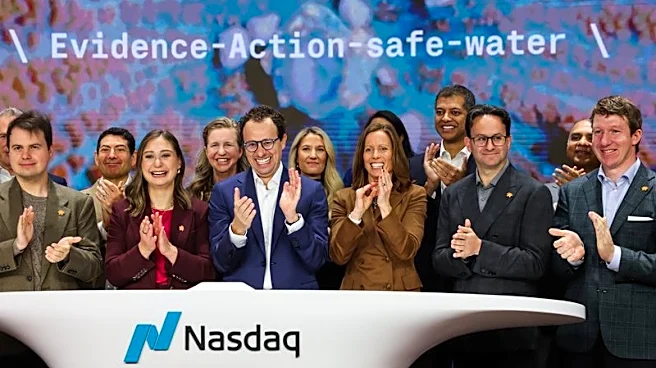
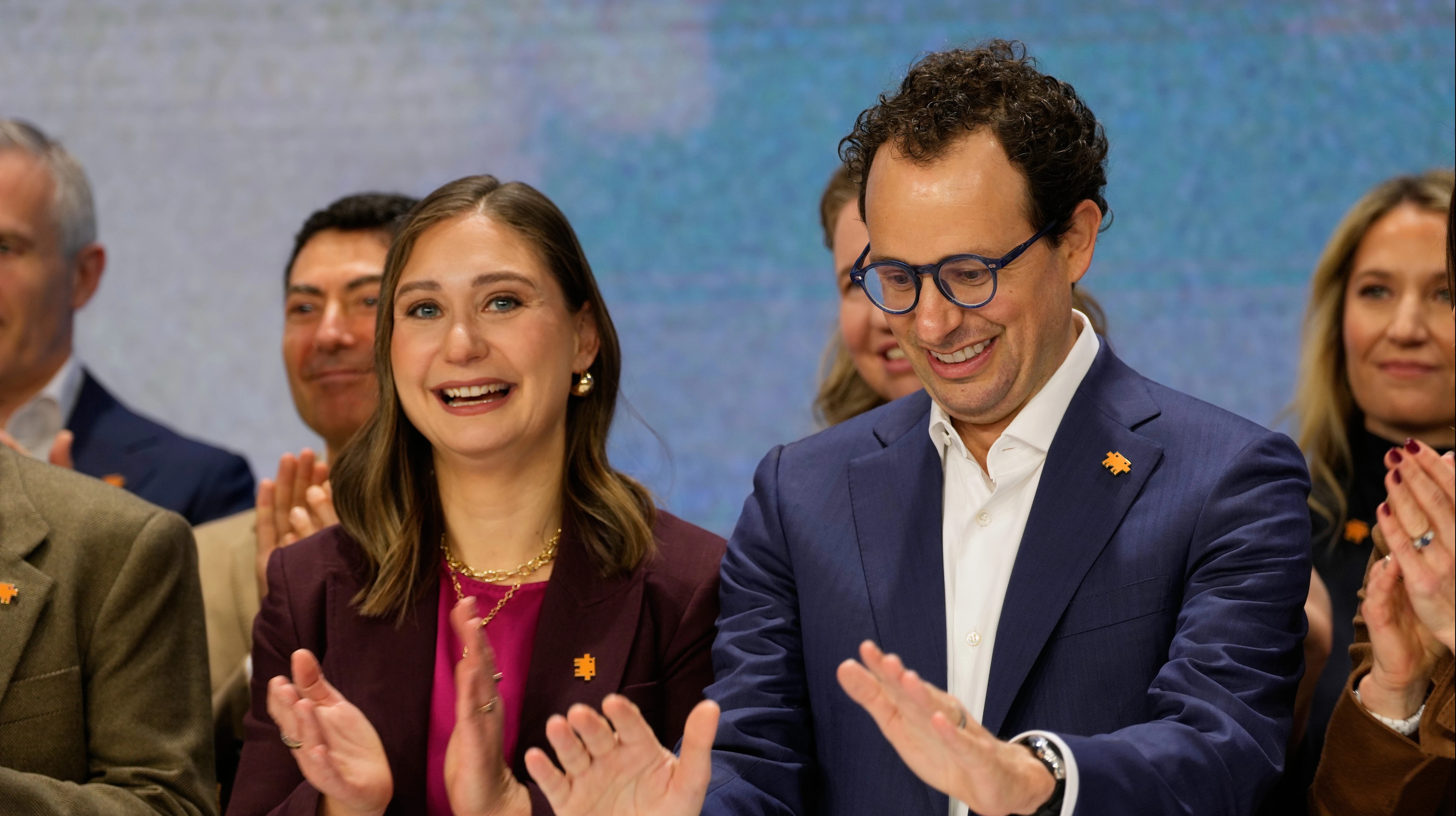
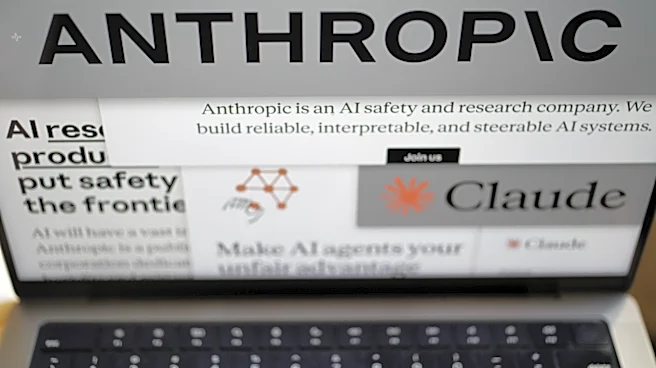
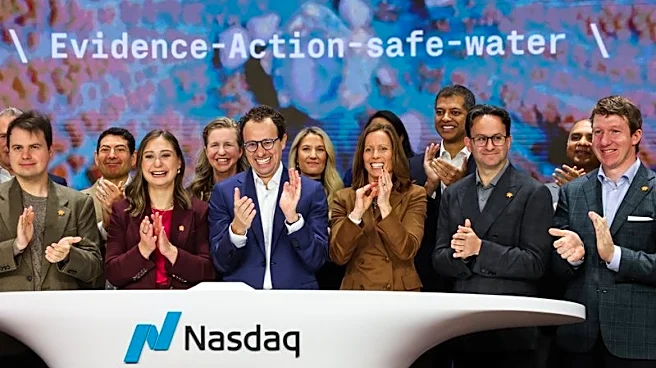
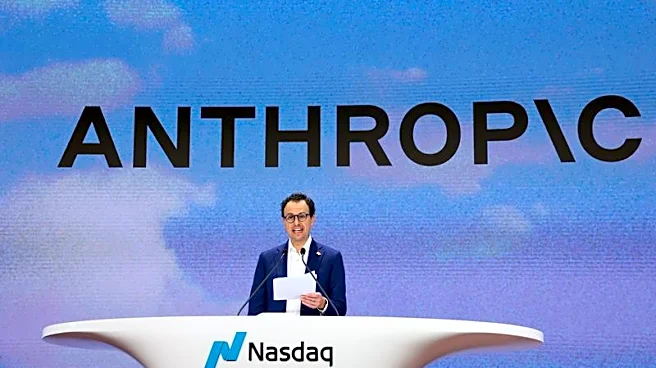
Anthropic, an artificial intelligence company, recently made its market debut on the Nasdaq stock exchange, raising a record $81.3 billion from its IPO and an additional $26 billion through a private placement, valuing the company at over $1 trillion.
CEO Dario Amodei emphasized the company's commitment to AI safety and public benefit, stating it is built into Anthropic's DNA. However, this commitment is now being tested as the company faces increased investor scrutiny and pressure to deliver returns to shareholders. Critics question whether Anthropic can maintain its founding mission of prioritizing safe AI development over commercial dominance, especially given the competitive landscape in the AI industry. Legal experts suggest that commercial demands could influence safety decisions, potentially leading to the release of risky models to protect share prices. Anthropic's corporate structure as a public benefit corporation (PBC) aims to balance shareholder interests with its social mission, including an oversight body called the Long-Term Benefit Trust, which can appoint four of the seven directors. However, this trust can be dissolved with the approval of all seven co-founders and a majority shareholder vote, creating a potential loophole for overriding safety-focused decisions.
Why It's Important?
The tension between Anthropic's stated mission of AI safety and the commercial pressures of being a public company has significant implications for the future of AI development in the U.S. and globally. If a leading AI safety pioneer like Anthropic struggles to uphold its principles due to market demands, it could set a precedent for other AI companies to prioritize rapid development and commercialization over ethical considerations and safety protocols. This could lead to a 'race to the bottom' in AI safety, potentially increasing the risks associated with advanced AI models, including catastrophic or existential threats to society, as acknowledged by Anthropic itself. The financial incentives for employees and founders, who have become significantly wealthy through the IPO, could also influence internal decisions, potentially swaying them towards profit-driven choices rather than safety-first approaches. Furthermore, the lack of comprehensive federal regulation in the U.S. AI sector means that society heavily relies on these companies to self-regulate, making Anthropic's ability to resist commercial pressures a critical test case for responsible AI development.
What's Next?
Anthropic's ability to navigate the balance between commercial success and its AI safety mission will be closely watched. The company has stated its resolve to pace the training and deployment of AI systems, taking as long as necessary to ensure safety and human control, and not bending to business or political pressure. However, the potential for internal conflicts, particularly if safety decisions negatively impact the company's stock price, remains a concern. The effectiveness of its public benefit corporation structure and the Long-Term Benefit Trust in safeguarding its mission will be under continuous evaluation. The broader AI industry will also observe Anthropic's trajectory, potentially influencing how other companies, including OpenAI, approach their own public listings and AI development strategies. The ongoing debate about federal regulation of AI will likely intensify, with Anthropic's experience potentially serving as a case study for policymakers considering the need for more robust oversight.
Beyond the Headlines
The situation with Anthropic highlights a fundamental ethical dilemma at the heart of advanced AI development: how to reconcile the immense profit potential and competitive pressures of a rapidly evolving industry with the profound societal risks posed by powerful, potentially uncontrollable AI. The concept of a 'public benefit corporation' is designed to address this, but its efficacy is being tested in a high-stakes environment. This scenario also underscores the broader societal challenge of governing technologies that advance faster than regulatory frameworks can adapt. The voluntary nature of current U.S. government AI frameworks, as seen under the second Trump administration's deregulatory approach, places a heavy burden of responsibility on private companies. The outcome of Anthropic's commitment to safety amidst commercial pressures could shape public trust in AI developers and influence the global conversation on ethical AI governance, potentially leading to calls for more stringent international standards or a re-evaluation of the balance between innovation and regulation.