
What's Happening?
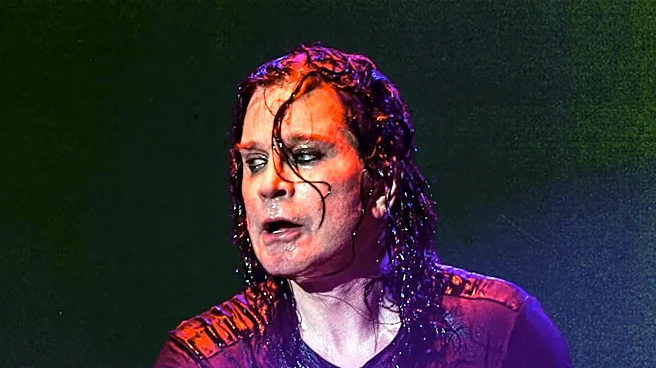
Ozzy Osbourne's song 'You Can't Kill Rock and Roll' was included in Michele Michaels' ELunch Playlist on Friday, November 13, 2026. The playlist, curated by Michele Michaels for 102.5 WDVE, featured a selection
of rock songs. Other artists on the playlist included Kiss with 'Rock and Roll All Night,' Tom Petty with a live version of 'Breakdown,' Fleetwood Mac with 'The Chain,' Greg Kihn Band with 'Breakup Song,' Genesis with 'Man on the Corner,' Rolling Stones with 'Bitch,' and David Lee Roth with 'Just Like Paradise.' This appearance highlights the continued presence of Osbourne's music in rock radio programming.
Why It's Important?
The inclusion of Ozzy Osbourne's 'You Can't Kill Rock and Roll' on a prominent radio playlist underscores the enduring appeal and cultural significance of classic rock music in the U.S. entertainment landscape. For artists like Osbourne, continued airplay helps maintain relevance and introduces their work to new generations of listeners, reinforcing their legacy. For the music industry, such programming demonstrates the sustained commercial viability of catalog music, contributing to revenue streams through royalties and continued fan engagement. It also reflects the programming strategies of radio stations like 102.5 WDVE, which cater to a demographic that appreciates established rock artists, thereby influencing listener loyalty and advertising revenue.
What's Next?
While the specific impact of this single playlist inclusion is limited, it contributes to the ongoing narrative of Ozzy Osbourne's enduring career. Fans can anticipate continued airplay of his extensive catalog on rock-oriented radio stations. For Michele Michaels and 102.5 WDVE, the consistent curation of themed playlists featuring iconic artists like Osbourne is likely to continue as a strategy to engage their audience. This approach helps maintain the station's brand identity and appeal within the competitive U.S. radio market.
Beyond the Headlines
The continued presence of songs like 'You Can't Kill Rock and Roll' in contemporary media, even decades after their initial release, speaks to the timeless nature of certain musical genres and artists. It reflects a broader cultural phenomenon where classic rock acts maintain a dedicated fanbase and continue to influence new musicians. This longevity also highlights the power of radio as a medium for cultural preservation and dissemination, allowing iconic tracks to transcend generations and remain part of the collective musical consciousness. The song's title itself, 'You Can't Kill Rock and Roll,' becomes a self-fulfilling prophecy in such contexts, symbolizing the genre's resilience.