





What's Happening?
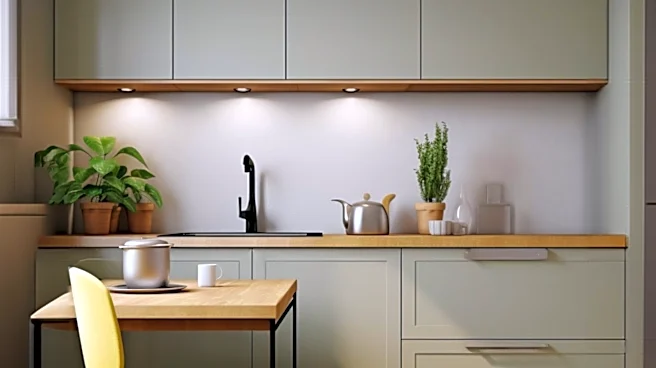
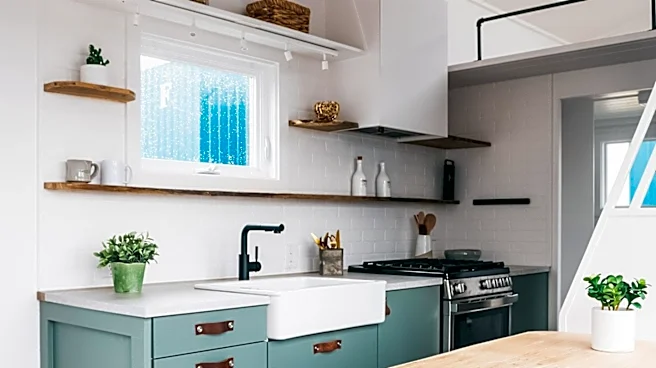
To maximize functionality and aesthetic appeal in small spaces, particularly small kitchen tables, several styling hacks are recommended. The core development involves shifting from horizontal spread to vertical building for centerpieces, using a single
raised item instead of multiple serving pieces. This approach frees up surface area and prevents a cluttered appearance. For everyday use, maintaining functionality without clutter is key, such as angling napkins to soften geometry and using bowls of fruit that serve both decorative and practical purposes. When setting a table for meals, matching plates and repeating a single color in glassware create a cohesive look. After meals, leaving a few intentional pieces like a small tray with a water pitcher or echoing a color from the setup helps the table transition back to daily rhythm without feeling bare. The overall strategy emphasizes clear choices over adding more objects, focusing on grouping, height, and breathing room to create a calmer, more intentional space.
Why It's Important?
These small space styling hacks are important for U.S. households, especially given the increasing trend towards smaller living spaces in urban and suburban areas. Efficient use of limited square footage directly impacts daily living quality and mental well-being. By providing practical, actionable advice, these strategies help individuals transform potentially overwhelming small areas into functional and aesthetically pleasing environments. This can reduce stress associated with clutter and disorganization, fostering a sense of calm and intentionality in the home. Economically, these tips offer cost-effective solutions for home improvement, as they focus on strategic arrangement and thoughtful selection of existing or affordable items rather than expensive renovations. Socially, creating inviting and functional small spaces can enhance social interactions, making compact homes more suitable for entertaining and daily family life, thereby improving overall lifestyle.
What's Next?
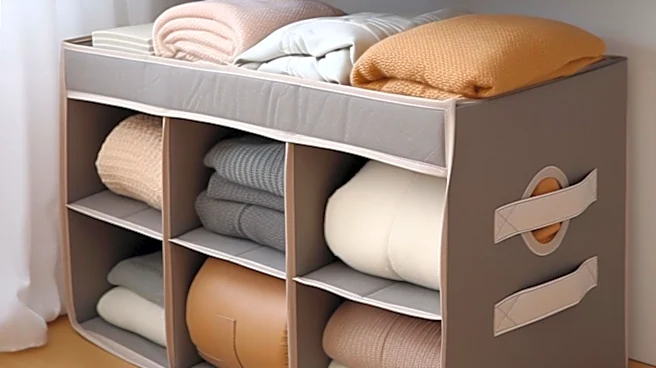
Homeowners and renters in the U.S. are likely to continue seeking innovative solutions for optimizing small living areas. The adoption of these styling hacks could lead to a broader trend in interior design focusing on multi-functional furniture and decor that prioritizes vertical space and visual cohesion. Retailers and furniture designers may respond by offering more products tailored to these needs, such as modular furniture, compact storage solutions, and decorative items designed for vertical display. Educational content, such as online tutorials and design blogs, will likely continue to proliferate, offering more detailed guidance and inspiration for small space living. The emphasis on intentional design and decluttering could also influence consumer purchasing habits, favoring quality, multi-purpose items over excessive accumulation, potentially impacting the home goods market.
Beyond the Headlines
The deeper implication of these small space hacks extends beyond mere aesthetics; it touches upon a cultural shift towards mindful consumption and living. In a society often characterized by abundance, the deliberate choice to optimize and simplify reflects a growing appreciation for efficiency and intentionality. This approach can foster a greater sense of control over one's environment, contributing to psychological well-being. Ethically, it promotes sustainability by encouraging the thoughtful use of resources and discouraging excessive purchasing. The focus on creating 'breathing room' and 'calmer spaces' in the home can also be seen as a response to the fast-paced, often overwhelming nature of modern life, offering a sanctuary where individuals can recharge. This trend suggests a broader societal movement towards valuing quality of life and personal space over sheer quantity of possessions.