






What's Happening?
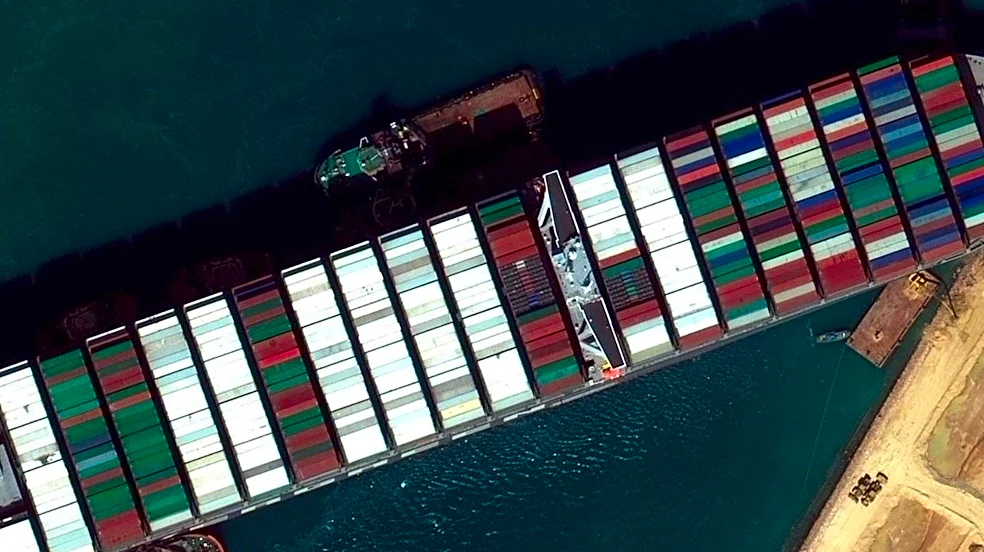
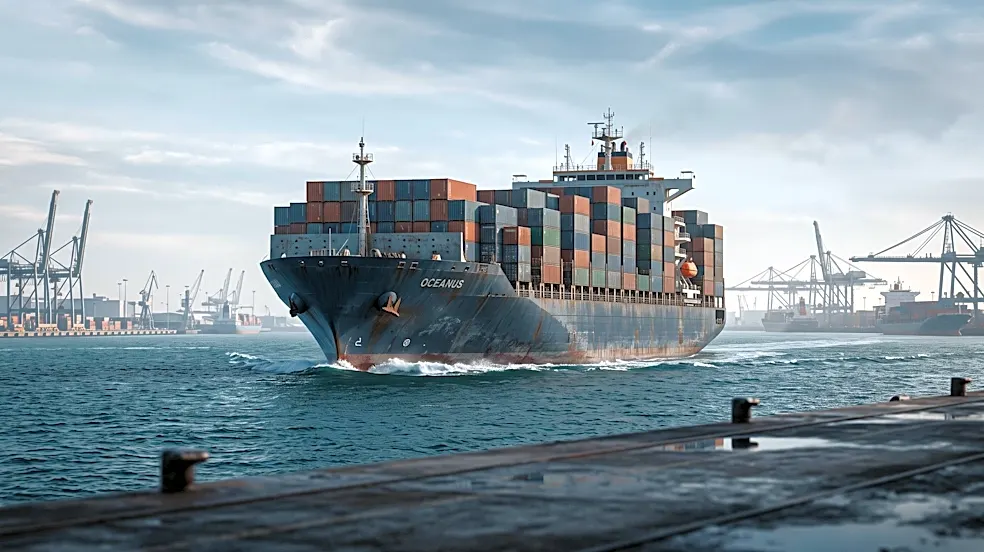
Geopolitical developments, including wars, trade restrictions, economic sanctions, and diplomatic tensions, are increasingly disrupting global supply chains. These disruptions manifest as damaged transport infrastructure, increased transportation costs,
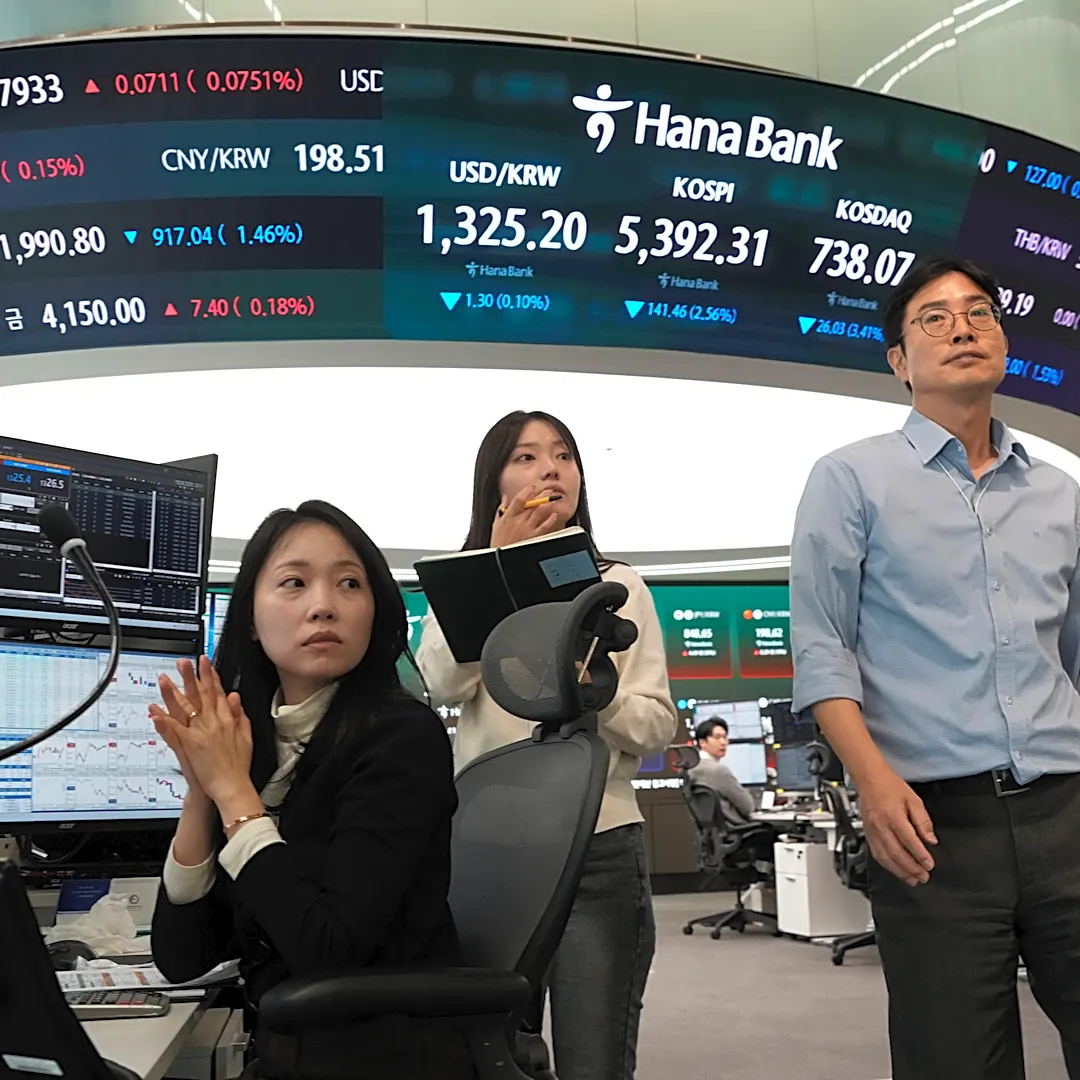
restricted access to essential resources, and heightened uncertainty for businesses. For instance, conflicts in energy-producing regions can significantly impact global oil and gas prices. Trade wars, characterized by tariffs and import restrictions, raise the cost of imported materials and finished products, forcing businesses to reconsider supplier relationships or increase product prices. Economic sanctions and export controls further limit access to critical materials and technologies, leading to supply shortages and production delays. These factors collectively contribute to rising inflation by increasing transportation charges, energy prices, raw material costs, and insurance premiums, which businesses often pass on to consumers.
Why It's Important?
The ongoing disruptions to global supply chains have significant implications for the U.S. economy and its citizens. Increased costs for raw materials, energy, and transportation directly contribute to inflation, reducing consumers' purchasing power and raising the cost of essential goods. Industries heavily reliant on imported components, such as electronics and automobiles, face production delays and higher operational expenses. This can lead to product shortages, impacting availability and affordability for American consumers. Furthermore, persistent supply shortages complicate economic planning and monetary policy, making it challenging for policymakers to manage inflation and ensure economic stability. The need for businesses to diversify suppliers and potentially relocate production, while aiming for resilience, can also lead to increased short-term operating costs, which may eventually be reflected in consumer prices.
What's Next?
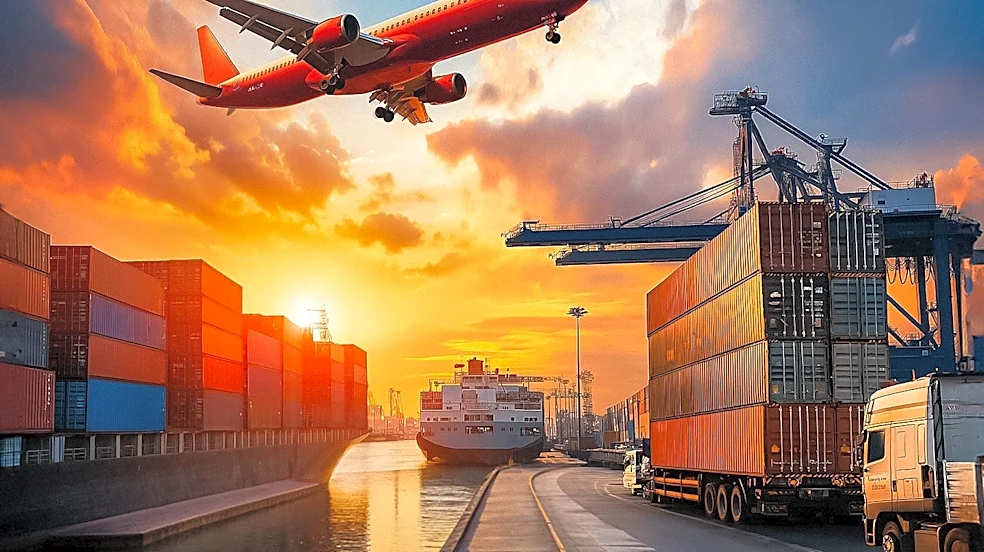
In response to these geopolitical challenges, businesses are expected to continue implementing strategies to enhance supply chain resilience. This includes diversifying suppliers, maintaining appropriate safety stocks, and actively monitoring geopolitical risks to identify alternative transportation routes. Digital technologies will likely play a more crucial role in improving shipment visibility and providing early warnings about potential delays or shortages. Governments may also increase support for resilience through infrastructure investment, international cooperation, strategic reserves, and transparent trade policies. The trend of nearshoring and friend-shoring, where production is moved closer to major markets or to politically aligned countries, is anticipated to grow as companies seek to reduce exposure to geopolitical instability, though this may involve new investments and potentially higher costs.
Beyond the Headlines
The current geopolitical landscape is not merely causing temporary supply chain hiccups but is fundamentally reshaping global trade strategies and economic interdependencies. The emphasis on supply chain resilience, while increasing short-term operating costs, reflects a long-term shift towards prioritizing security and stability over pure cost efficiency. This could lead to a more fragmented global economy, with regionalized supply chains and increased protectionism. The ethical implications of sourcing decisions, particularly regarding labor practices and environmental impact in new production locations, will become more prominent. Moreover, the increased reliance on digital technologies for supply chain management raises concerns about cybersecurity and data privacy, adding another layer of complexity to an already intricate system. This shift could also accelerate innovation in areas like automation and localized manufacturing to mitigate future disruptions.