





What's Happening?
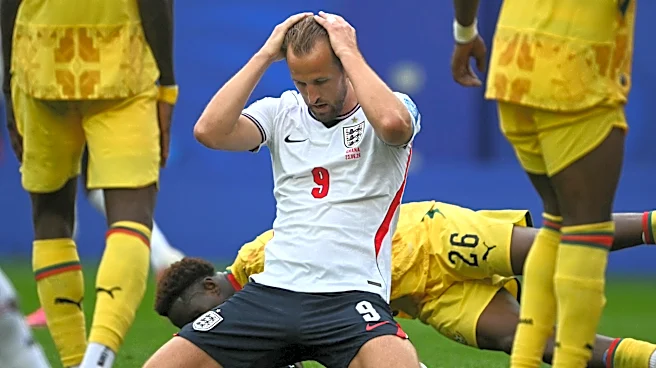
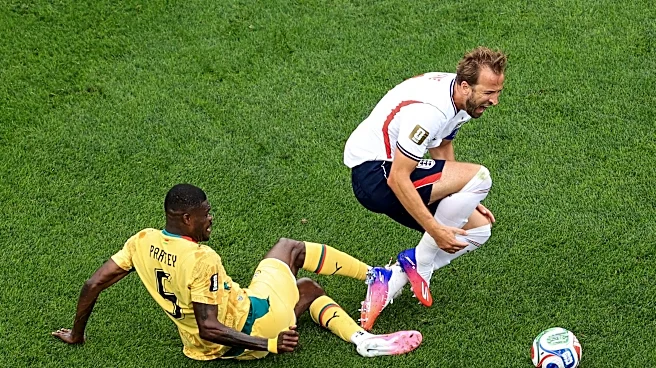
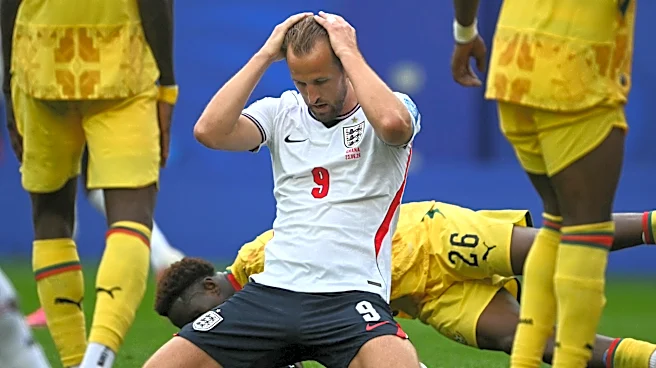
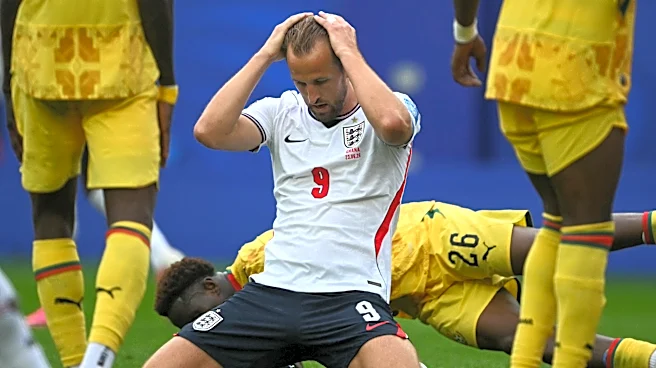
The 2026 World Cup has seen unexpected performances from lower-ranked teams such as Cape Verde, Curacao, Ghana, and South Africa, who have managed to secure points against higher-ranked teams like Spain, Ecuador, England, and South Korea. These teams have employed
strategic defensive formations, such as the 4-5-1 setup, to maintain compactness and limit space for their opponents. Cape Verde's draw against Spain and Ghana's performance against England highlight their ability to maintain defensive discipline and resist pressure. These teams have also adapted their strategies during matches, increasing their pressing as games progress to create opportunities.
Why It's Important?
The success of underdog teams in the World Cup underscores the importance of tactical planning and execution in football. These performances challenge the traditional dominance of higher-ranked teams and demonstrate that strategic discipline can level the playing field. For the U.S. and other nations, this trend emphasizes the need for adaptive strategies and highlights the potential for smaller teams to compete effectively on the world stage. This could influence coaching approaches and player development programs, encouraging a focus on tactical intelligence and flexibility.
What's Next?
As the tournament progresses, it will be interesting to see if these underdog teams can maintain their momentum and continue to challenge top-ranked teams. Their performances may inspire other teams to adopt similar strategies, potentially leading to more competitive and unpredictable matches. The outcomes of these games could influence future World Cup preparations and strategies for both underdog and favored teams.