




What's Happening?
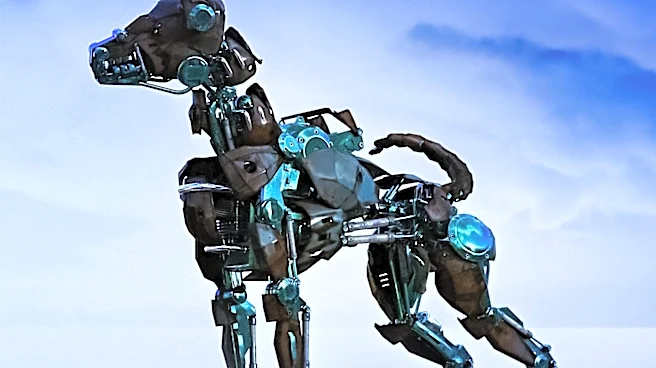
Two former Boston Dynamics executives, CEO Marc Theermann and CTO Farbod Farshidian, have co-founded Dynamic Creatures, a new company focused on creating robotic characters for the entertainment industry. The company aims to bring characters to life using
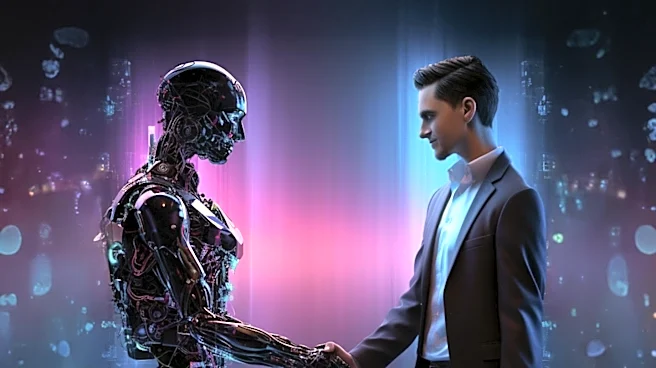
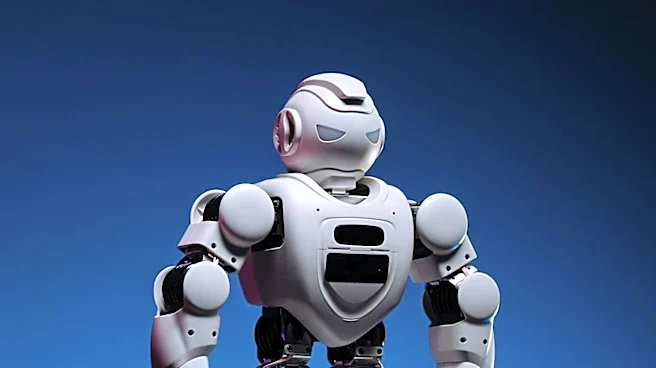
advanced robotics and artificial intelligence, drawing inspiration from Boston Dynamics' history of showcasing robots in engaging, fun environments. Dynamic Creatures has introduced SnowJay, an integrated AI and robotics platform that serves as the operating system for their robots, specializing in natural movement and human-robot interaction. Theermann emphasizes the importance of human-robot interaction, stating that the company has even hired puppeteers to help develop emotional expressions for their robots. Dynamic Creatures is backed by a mix of U.S. and European institutional investors, including Eniac Ventures and Kindred Ventures, and has secured Boston Dynamics as its official entertainment and hospitality partner. The company is currently building on third-party hardware, including Boston Dynamics' Spot quadruped and Atlas humanoid robots, with ambitions to develop its own humanoid hardware in the future.
Why It's Important?
This venture signifies a significant expansion of advanced robotics into the entertainment and hospitality sectors, moving beyond industrial applications. By focusing on creating engaging and interactive robotic characters, Dynamic Creatures aims to transform experiences in theme parks, casinos, cruise ships, and other public venues. This could lead to new forms of immersive entertainment and customer engagement, creating unique attractions that blend technology with storytelling. The emphasis on natural movement and sophisticated human-robot interaction is crucial for public acceptance and enjoyment, potentially paving the way for robots to become more integrated into daily life in non-industrial settings. The partnership with Boston Dynamics provides a strong foundation of proven robotic platforms and expertise, while the backing from diverse investors highlights the commercial potential of this niche market. This development could also spur innovation in areas like AI-driven character design and real-time adaptive behavior for robots.
What's Next?
Dynamic Creatures anticipates its first customer deployments in early 2027, which will involve managed pilots utilizing a combination of teleoperation and assisted autonomy. These initial deployments will be critical for gathering data on human-robot interactions to further train and refine their AI models. The company plans to transition from one-to-one operator control to one-to-many telemonitoring as the technology matures. Dynamic Creatures is actively developing prototype characters, including a purple poodle named Danielle and a Tyrolean mountain troll, and is also working with partners to bring famous intellectual properties to life through robotics for events like red carpet appearances and theme park attractions. A key area of ongoing research for the company is ensuring human-robot collaboration and safety, with a long-term goal of developing robots that can safely and naturally interact with people in close proximity, moving beyond the current safety protocols of industrial robots.
Beyond the Headlines
The emergence of companies like Dynamic Creatures points to a broader cultural shift in how society perceives and interacts with robots. Moving robots from factories to entertainment venues challenges existing notions of robotics as purely functional machines, instead positioning them as potential companions, performers, and interactive characters. This development raises interesting questions about the future of human-robot relationships, the ethics of creating emotionally responsive machines, and the potential impact on human employment in entertainment roles. The company's use of puppeteers to develop robot emotions highlights the interdisciplinary nature of this field, blending engineering with artistic and performance expertise. As these robotic characters become more sophisticated, they could influence public perception of AI and robotics, fostering greater acceptance or, conversely, raising new concerns about authenticity and the blurring lines between artificial and organic life. The focus on safety in human-robot interaction is paramount, as public trust will be essential for widespread adoption.