
What's Happening?
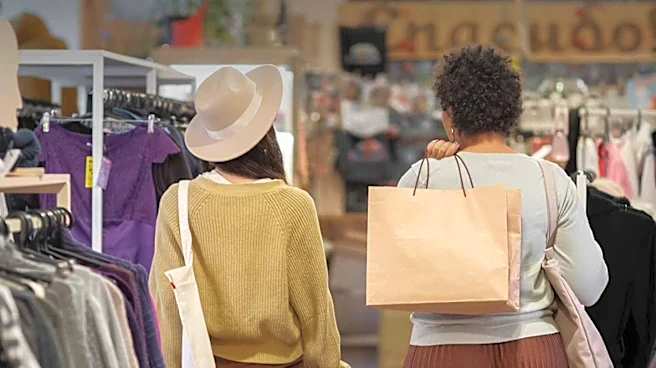
Fall fashion trends are characterized by a significant blend of nostalgic pieces from the early 2000s and mid-2010s with contemporary styles. Students, in particular, are curating their fall aesthetics by incorporating elements like fitted long-sleeve
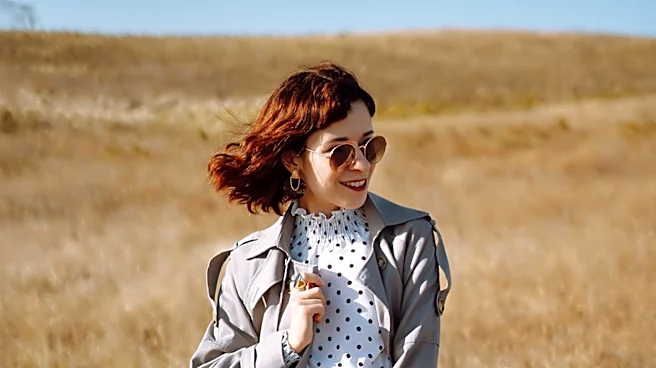
shirts, flared denim, cropped cardigans, and vintage accessories. This approach is not about exact replication but rather updating these throwback styles with modern jackets, bags, and jewelry. Social media platforms such as Pinterest, TikTok, and Instagram play a crucial role in how students discover and style these trends. These platforms serve as inspiration boards, allowing users to explore color palettes, outfit ideas, and mix different aesthetics to fit their personal tastes and budgets. Comfort and practicality, alongside personal expression, are also key considerations for students when choosing their fall wardrobes.
Why It's Important?
This trend highlights the powerful influence of social media on consumer behavior and the fashion industry in the U.S. The rapid dissemination of styles through platforms like TikTok means that trends can emerge, evolve, and gain widespread adoption at an unprecedented pace. For retailers and designers, understanding these digital influences is crucial for product development and marketing strategies. The emphasis on blending vintage with modern also speaks to a growing consumer desire for individuality and sustainability, as repurposing older styles can be seen as both unique and environmentally conscious. This shift impacts manufacturing, inventory management, and marketing, as brands must cater to a dynamic and digitally-savvy consumer base that values personal expression and comfort alongside trendiness.
What's Next?
The continuous evolution of fashion trends, heavily driven by social media, suggests that brands will need to remain agile and responsive to consumer preferences. We can expect to see more collections that draw inspiration from various past decades, offering versatile pieces that can be styled in multiple ways. Social media platforms will likely continue to be primary channels for fashion discovery and inspiration, potentially leading to more direct-to-consumer models and influencer collaborations. The focus on comfort and personal style is also expected to persist, influencing design choices towards more relaxed fits and versatile garments. Retailers may also increase their focus on secondhand and vintage-inspired offerings to meet consumer demand for unique and sustainable fashion choices.
Beyond the Headlines
The blending of nostalgic and modern fashion, amplified by social media, reflects a broader cultural phenomenon where past eras are constantly reinterpreted through a contemporary lens. This isn't just about clothing; it's about identity and self-expression in a digital age. For younger generations, fashion becomes a canvas for exploring different personas and connecting with online communities. The accessibility of diverse styles through social media also challenges traditional fashion hierarchies, allowing for a more democratic and inclusive approach to trends. However, it also raises questions about originality and the speed at which trends become obsolete, potentially contributing to a faster consumption cycle despite the nod to vintage. The psychological impact of constant trend cycles and the pressure to maintain a curated online image through fashion are also subtle implications of this digitally-driven trend landscape.