
What's Happening?
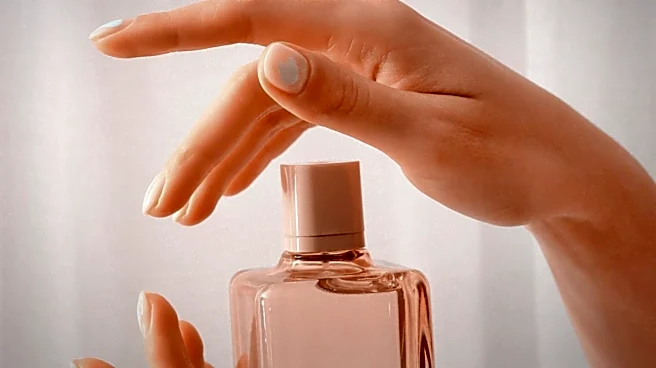
Phlur's popular 'Missing Person' fragrance, described as a floral musk with notes of bergamot nectar, jasmine, cyclamen, neroli, orange flower, sandalwood, and white musk, has led to the emergence of several
independently produced alternatives in the U.S. market. These 'dupes' aim to offer a similar scent profile at a significantly lower price point. For instance, OLFx Skin Memory, an Extrait de Parfum spray, is available for $36.99 for 50 ml, while the original Phlur Missing Person Eau de Parfum costs $99 for 50 ml. Other alternatives include CA Perfume Miss Persona, Dupe Theory 617 Missing, and Dossier Musky Sandalwood, all priced between $30 and $40 for 50 ml. These alternatives are sold by various independent brands, which openly state that their products are inspired by Phlur's creation. The original Phlur fragrance is also available in 100 ml for $139 and a 9.5 ml travel size for $32, with Phlur also offering a Body Oil and Fragrance Oil at $45 each.
Why It's Important?
The proliferation of 'dupe' fragrances like those inspired by Phlur's 'Missing Person' highlights a significant trend in the U.S. beauty and fragrance industry: consumer demand for affordable luxury. This trend allows a broader demographic to access popular scent profiles without the premium price tag associated with established brands. For consumers, this means more choices and greater accessibility to desired fragrances, potentially saving them considerable money. For the fragrance industry, it signifies a competitive landscape where independent brands can thrive by offering cost-effective alternatives, challenging the market dominance of larger, more expensive brands. This also raises questions about intellectual property in the fragrance world, as scent profiles are notoriously difficult to protect legally, leading to a market where 'inspirations' can flourish. The success of these dupes could encourage more brands to focus on creating affordable alternatives, further democratizing access to high-end fragrance experiences.
What's Next?
The market for fragrance alternatives is likely to continue expanding, with more independent brands entering the space to offer 'dupes' of popular high-end scents. Consumers can expect to see a wider variety of affordable options, potentially leading to increased competition among these alternative brands. This could drive prices down further or encourage innovation in terms of formulation and longevity to differentiate products. Established fragrance brands like Phlur may need to adapt their strategies, possibly by introducing more accessible product lines, focusing on unique brand experiences, or emphasizing the quality and exclusivity of their original formulations. The legal landscape surrounding fragrance intellectual property might also see increased scrutiny as the 'dupe' market grows, although protecting scent profiles remains a complex challenge. Retailers, both online and brick-and-mortar, will likely continue to stock a mix of original and alternative fragrances to cater to diverse consumer preferences and budgets.
Beyond the Headlines
The rise of fragrance 'dupes' extends beyond mere cost savings, reflecting a broader cultural shift towards value and accessibility in consumer goods. It challenges traditional notions of luxury, suggesting that the experience of a high-quality scent can be decoupled from its brand name and price point. This phenomenon also underscores the power of online communities and social media in disseminating information about these alternatives, empowering consumers to make informed choices. Ethically, it sparks debate about originality versus imitation in creative industries, particularly when the 'inspiration' is openly acknowledged. While not directly infringing on trademarks, the practice of creating similar scents raises questions about the value of innovation and the effort invested in developing original fragrances. This trend could also lead to a more discerning consumer base, one that prioritizes the actual scent experience over brand prestige, potentially reshaping marketing strategies across the beauty sector.