






What's Happening?
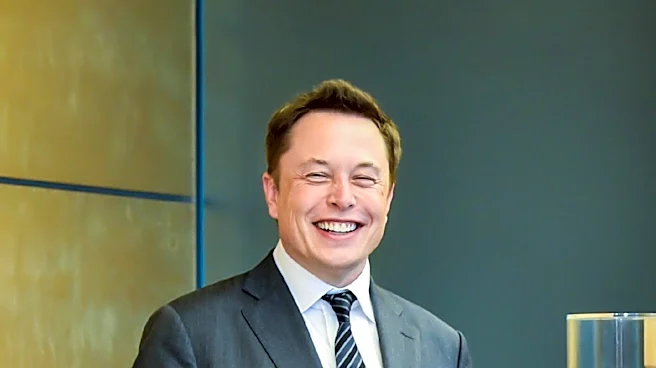
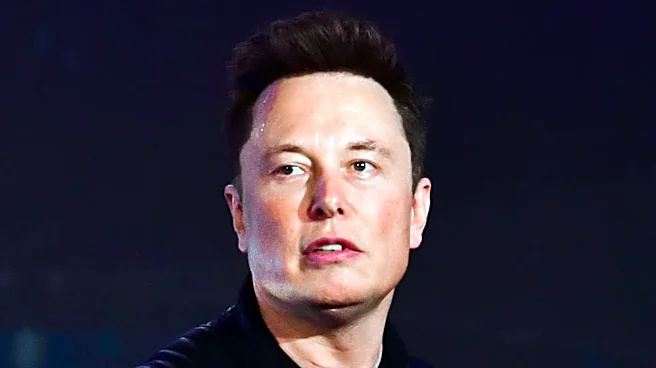
Elon Musk, CEO of Tesla and xAI, has issued a stark warning regarding a potential multi-trillion dollar funding shortfall in the AI industry by next year. This deficit is attributed to the significant capital expenditure required for AI infrastructure,
including AI chips, servers, data centers, liquid cooling systems, and power infrastructure. According to Musk, even a delay of a few months between paying for computing resources and achieving stable operation and revenue generation could lead to a severe cash flow problem for the entire AI industry. This comes as global investment in AI infrastructure continues to surge, with IDC data showing a 53% increase in AI infrastructure spending in Q2 2026 compared to the previous year, reaching $121.4 billion. IDC projects full-year spending for 2026 to hit $521 billion. The International Energy Agency (IEA) also highlights this rapid expansion, noting that the combined capital expenditure of the top five global tech companies will exceed $400 billion by 2025, with a further 75% growth expected in 2026. The IEA also reported that the total capacity of dedicated AI data centers globally has more than doubled in the past 18 months.
Why It's Important?
Musk's warning underscores a critical structural vulnerability within the booming AI sector, particularly concerning the economic viability of its foundational infrastructure. The immense upfront investment required for AI hardware and data centers, coupled with potential delays in operational readiness and revenue generation, creates a significant financial risk. This could lead to a severe cash flow crunch for companies heavily invested in AI development, potentially slowing down innovation and deployment. Furthermore, the rapid expansion of AI infrastructure is straining existing resources, particularly electricity supply. S&P Global reported on November 20 that power shortages, grid connection delays, and local community opposition are substantially hindering data center expansion. The IEA estimates that global data center electricity consumption could nearly double from 485 TWh in 2025 to approximately 950 TWh by 2030, highlighting a looming energy crisis that could impede AI growth and impact energy markets.
What's Next?
The AI industry faces the immediate challenge of securing massive additional operational funding to bridge the gap between infrastructure investment and revenue generation. Companies will need to explore innovative financing models and potentially seek government support or large-scale private investments to sustain their growth. Addressing the power supply and grid integration issues will be crucial, requiring significant investment in energy infrastructure and potentially the development of more energy-efficient AI technologies. Regulatory bodies may also need to streamline approval processes for data center construction to prevent further delays. Despite these challenges, some experts, like François Chollet, creator of the Keras deep-learning library, remain optimistic, suggesting that while hardware costs are rising, the 'inference' aspect of AI (generating responses from trained models) is becoming increasingly profitable, promising substantial commercial returns for the industry in the long run.
Beyond the Headlines
The financial and infrastructural challenges highlighted by Musk point to a broader systemic issue within the rapid technological advancement of AI. The current 'AI arms race' among tech giants, characterized by massive spending on computing power, may be creating an unsustainable economic bubble. This situation could lead to consolidation within the industry, favoring well-capitalized players and potentially stifling smaller innovators. Moreover, the environmental impact of soaring energy consumption by AI data centers raises significant ethical and sustainability concerns. The need for vast amounts of electricity could accelerate the demand for renewable energy sources but also place immense pressure on existing grids, potentially leading to increased reliance on fossil fuels in the short term. This scenario necessitates a re-evaluation of AI development strategies to balance technological progress with financial prudence and environmental responsibility.