




What's Happening?
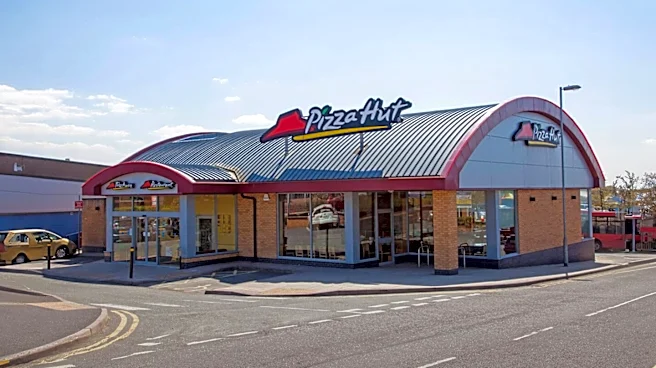
Major U.S. pizza chains, including Domino's, Papa Johns, and Pizza Hut, are experiencing significant sales struggles. This downturn follows a boom period during the pandemic when dining rooms were closed. Since their reopening, these chains have faced
an uphill battle to retain customers. Factors contributing to this decline include weaker consumer discretionary spending, a wider array of delivery and takeout options available through third-party platforms, and an increased focus by diners on food quality and overall customer experience when seeking value. Data from Datassential indicates that over 9,600 pizzerias have closed since August 2019, with U.S. pizza restaurant sales falling 0.3% in 2025. While Domino's reported a 3% increase in U.S. same-store sales last year, Papa Johns saw a 2.5% decline in North American same-store sales, and Pizza Hut's U.S. same-store sales fell by 5%. Yum Brands recently sold Pizza Hut, citing two decades of stagnating sales.
Why It's Important?
The struggles of major pizza chains highlight significant shifts in the U.S. restaurant industry and consumer behavior. The increased accessibility of third-party delivery platforms has fragmented the market, offering consumers more choices beyond traditional pizza chains. This intensifies competition and pressures established brands to innovate and differentiate. The emphasis on food quality and customer experience suggests that consumers are becoming more discerning, demanding greater value for their spending. The decline in sales and store closures also indicate a broader economic impact, affecting employment within the food service sector and the financial performance of publicly traded companies like Domino's and Papa Johns. The underperformance of these stocks compared to the S&P 500 reflects investor concerns about the long-term viability and growth prospects of the traditional pizza segment.
What's Next?
In response to the downturn, pizza chains are implementing various strategies to reverse the trend. Domino's launched a customizable Detroit-style personal pizza in August to attract solo diners. Papa Johns unveiled a new turnaround plan focusing on improving food consistency and restaurant operations in November. Pizza Hut is also running holiday-themed meal deals to boost sales. These initiatives aim to adapt to changing consumer preferences and competitive pressures. The industry will likely continue to see innovation in product offerings, service models, and marketing efforts as chains strive to regain market share and appeal to a more diverse and value-conscious customer base. The success of these strategies will determine the future trajectory of these major pizza brands.
Beyond the Headlines
Beyond the immediate financial implications, the challenges faced by pizza chains reflect a broader evolution in the American dining landscape. The rise of GLP-1 medications, while not the sole factor, is cited as a contributing element, suggesting a potential long-term shift in dietary habits and food consumption patterns. This could have profound implications for the entire food industry, prompting companies to re-evaluate portion sizes, nutritional content, and marketing strategies. The increased importance of food quality and customer experience also points to a cultural shift where consumers are less willing to compromise on these aspects, even for convenience. This trend could drive further consolidation or specialization within the restaurant sector, as businesses that fail to adapt risk losing relevance in an increasingly competitive and health-conscious market.