

What's Happening?
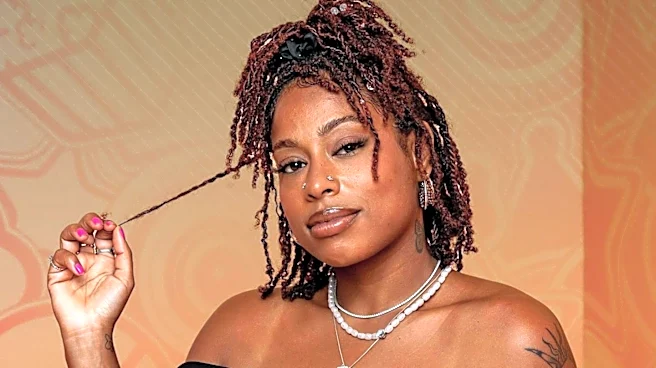
Mecole "Meme" Hayes, a former contestant from the reality show 'Big Brother,' is reportedly attached to a new unscripted reality series titled 'The District.' The show, created by Brandt Ricca, aims to explore the social scene of Washington, D.C., focusing
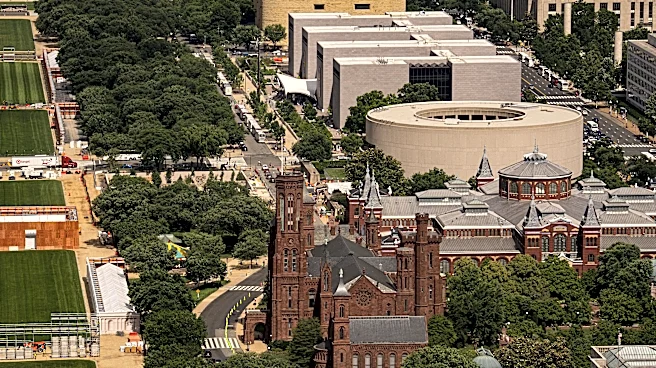
on media personalities, entrepreneurs, and nightlife insiders, rather than politics. Viral comedian Suzanne Lambert is also associated with the project. Sources indicate that 'The District' has already garnered significant online buzz, with nearly 10 million views from teaser content, despite no episodes having aired yet. Ricca is currently pitching the series to various networks, and discussions are ongoing, though no final streaming or network deal has been secured.
Why It's Important?
This development signifies a growing trend of reality television personalities leveraging their initial exposure to transition into new projects, often within the same genre but with a different focus. For Mecole Hayes, this represents an opportunity to expand her public profile beyond 'Big Brother' and delve into a new social landscape. The show's emphasis on D.C.'s 'glitzy social scene' rather than its political aspects could appeal to a broader audience, potentially offering a fresh perspective on a city often associated solely with government. The early online buzz, even without a network deal, highlights the power of social media and influencer marketing in generating interest for new content, impacting how new shows are launched and perceived in the competitive entertainment market. This could also influence how networks evaluate potential series, placing more weight on pre-release digital engagement.
What's Next?
Brandt Ricca is actively pitching 'The District' to networks, and ongoing conversations suggest that a deal could be finalized in the future. If picked up, the series would offer Mecole Hayes a new platform and potentially boost her career in reality television. The show's success would also validate the strategy of focusing on the social dynamics of a city like Washington, D.C., rather than its political core, potentially paving the way for similar reality concepts in other major U.S. cities. The existing online buzz indicates a ready audience, which could be a significant factor for networks considering the investment. The next step will be the announcement of a network or streaming partner and a potential premiere date for the series.
Beyond the Headlines
The creation of 'The District' and its focus on the non-political social scene of Washington, D.C., reflects a broader cultural interest in the lifestyles of urban elites and influencers. It subtly challenges the monolithic perception of D.C. as purely a political hub, revealing its multifaceted social fabric. This type of reality programming often raises questions about authenticity versus manufactured drama, and how it shapes public perception of the individuals and cities portrayed. The involvement of a 'Big Brother' alum also speaks to the interconnectedness of the reality TV ecosystem, where participants often move between different shows and formats. Ethically, such shows can spark discussions about privacy, the commodification of personal lives, and the impact of public scrutiny on individuals involved in these productions, especially in a city with a high concentration of public figures.