


What's Happening?
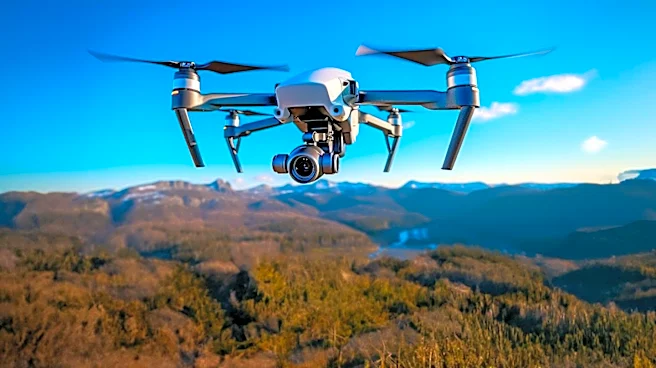
Patria, a Finnish defense company, has partnered with Ukrainian drone manufacturer General Cherry to explore the production of drones in Finland for European customers. General Cherry specializes in developing and producing various unmanned systems, including
strike FPV, fiber-optic, aerial-target interceptor, and fixed-wing platforms. Their product lineup includes the Sweetheart strike drone, which boasts a range of up to 150 kilometers, an endurance of nearly three hours, and an operating altitude of 300 to 900 meters. This collaboration aims to combine General Cherry's expertise in producing small drones at scale with Patria's existing work on unmanned systems and broader defense technologies. The initiative comes as Ukraine continues to expand its use of drones through programs like the 'Drone Line,' designed to create a 10- to 15-kilometer kill zone against advancing forces, and as Ukrainian defense companies attract significant international interest for their battlefield-tested drone technology.
Why It's Important?
This partnership signifies a growing international recognition of Ukraine's advancements in drone technology, driven by real-world combat experience. The collaboration between Patria and General Cherry could lead to the accelerated development and production of advanced unmanned systems for European defense, enhancing regional security capabilities. For the U.S., this development highlights the increasing importance of drone warfare and the need to integrate lessons learned from the conflict into its own military operations. The U.S. Department of Defense has already sent personnel to Ukraine to study drone warfare, indicating a direct interest in incorporating these battlefield insights. The global interest in Ukrainian drone technology, with the U.S. leading requests for cooperation, suggests a potential shift in defense industry partnerships and a greater emphasis on agile, combat-proven solutions.
What's Next?
The collaboration between Patria and General Cherry is expected to move forward with exploring drone production in Finland, potentially leading to new manufacturing capabilities and supply chains for unmanned systems in Europe. This initiative could further solidify Ukraine's position as a leader in drone innovation and attract more international partnerships. The continued expansion of Ukraine's 'Drone Line' initiative suggests an ongoing commitment to integrating unmanned systems into its defense strategy, which will likely influence future military doctrines. As the U.S. and other nations continue to study and incorporate lessons from Ukraine's drone warfare, there could be increased investment in similar technologies and a greater focus on developing countermeasures and defensive strategies against advanced drone threats. This could also spur further research and development in AI-powered autonomous systems.
Beyond the Headlines
The increasing international collaboration in drone technology, particularly with a focus on battlefield-tested systems, raises questions about the proliferation of advanced military capabilities. While such partnerships can enhance the defense capabilities of allied nations, they also pose challenges regarding export controls and the potential for these technologies to fall into the wrong hands. The emphasis on 'unmanned defense systems' as central to the future of defense, as stated by Patria executive vice president Mikko Leino, suggests a broader paradigm shift in military thinking. This shift could lead to a re-evaluation of traditional military structures and personnel requirements, with a greater reliance on technological solutions. The ethical implications of autonomous weapons, particularly those with strike capabilities, will continue to be a critical area of discussion and policy development as these technologies become more widespread and sophisticated.