



What's Happening?
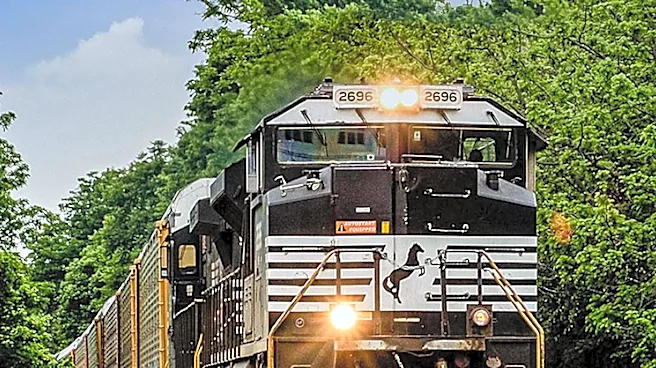
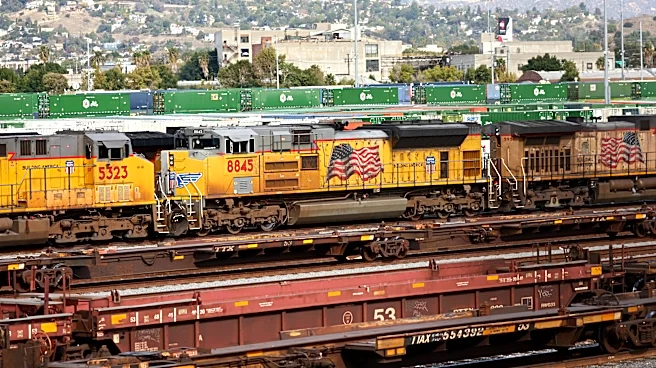
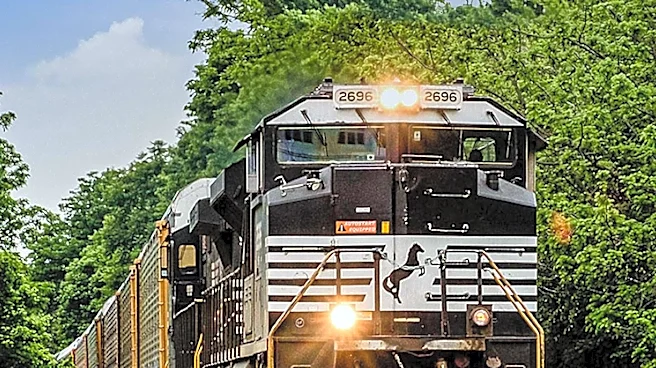
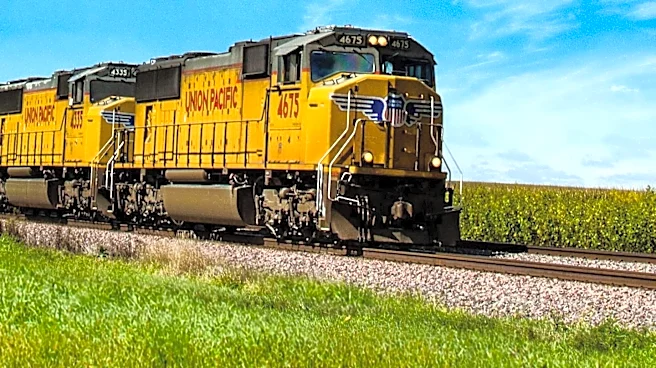
Union Pacific and Norfolk Southern have advanced their proposed merger, aiming to establish the first single-line transcontinental railway in the United States. This combined entity would span over 50,000 route miles across 43 states. The companies initially
announced their merger proposal in July 2025 and subsequently submitted an application to the US Surface Transportation Board (STB). Since then, they have engaged with various stakeholders, including customers, short-line railways, ports, labor organizations, employees, and policymakers. This feedback has led to adjustments in their application, incorporating additional customer protections. The submission includes traffic data from all six North American Class I railways and outlines approximately $2 billion in planned integration investment. The companies also report receiving over 2,000 letters of stakeholder support. They project that the merger would introduce around 88,000 new single-line routes and convert 10,000 existing interline movements into single-line services, simplifying shipping and potentially improving journey times.
Why It's Important?
This proposed merger holds significant implications for the U.S. freight transportation sector. Union Pacific and Norfolk Southern argue that a more connected rail network would enhance the competitiveness of freight services against road transport, potentially shifting approximately 2.1 million truckloads annually from highways to rail. This shift could lead to an estimated $3.5 billion in annual savings for shippers by reducing the need for freight transfers between operators. Union Pacific CEO Jim Vena emphasized that such a transcontinental railway would open new product opportunities for customers not currently utilizing rail and convert long-haul truck business to rail, thereby enhancing the overall product and benefiting the nation. However, the merger has also drawn opposition and concerns within the rail industry. Critics question whether combining two major freight operators would diminish competition, increase the merged company’s market power, and limit transportation options for customers. There are also concerns regarding the potential impact on smaller and regional rail operators that rely on connections with Class I networks.
What's Next?
The proposed merger is currently under review by the US Surface Transportation Board (STB). The STB's assessment will critically examine the merger's potential implications for competition, service quality, and the broader U.S. rail network. Regulatory approval from the STB is a prerequisite for Union Pacific and Norfolk Southern to proceed with their combination. The outcome of this review will determine whether the companies can move forward with their plans to create a unified transcontinental railway. Stakeholders, including customers, competing rail companies, and labor organizations, will likely continue to voice their perspectives during the STB's evaluation process, influencing the board's final decision. The STB's ruling will set a precedent for future consolidation efforts within the U.S. freight rail industry.
Beyond the Headlines
Beyond the immediate operational and economic arguments, this merger proposal touches upon broader themes of infrastructure efficiency and market concentration in critical U.S. industries. The potential shift of millions of truckloads from road to rail could have environmental benefits, such as reduced carbon emissions and decreased road congestion, aligning with broader sustainability goals. However, the concerns about reduced competition raise fundamental questions about market power and consumer choice. If approved, the merger could reshape the competitive landscape of freight transportation, potentially leading to a more dominant rail entity with significant influence over pricing and service standards. The STB's decision will not only impact the involved companies but also set a precedent for how consolidation is viewed in essential sectors, balancing the purported benefits of efficiency and investment against the risks of reduced competition and potential adverse effects on smaller industry players and consumers.