



What's Happening?
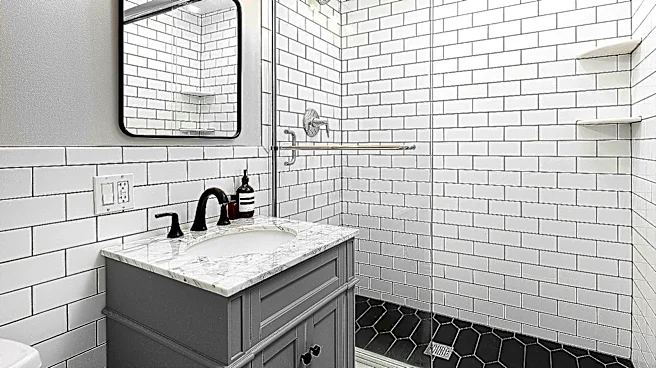
A notable shift is occurring in bathroom design trends, moving away from previously popular round, oval, arched, or vintage-inspired wavy vanity mirrors. Designers are increasingly opting for thin or frameless rectangular bathroom vanity mirrors. This
trend is being observed in various high-end projects and is characterized by its simplicity, allowing other bathroom elements like vanities, marble, and wall textures to become the focal point. Examples from designers like Erin Lambrecht Studio, Ome Dezin, and Heidi Caillier Design showcase this minimalist approach, often paired with luxurious materials or contrasting design elements to prevent the mirror from appearing generic. The rectangular shape is also being utilized for functional reasons in smaller spaces, aligning with sink positions, and is sometimes incorporated with thin frames, such as gold or red metal, to add subtle detailing without ornamentation. Some designs even feature inset rectangular mirrors, custom-built into the wall, or trifold mirrors with simple rectangular panels and thin metal frames, further emphasizing this minimalist aesthetic.
Why It's Important?
This evolving trend in interior design reflects a broader cultural movement towards 'luxury minimalism,' where simplicity and functionality are paramount, but without sacrificing elegance or quality. For the U.S. home decor and construction industries, this shift could influence manufacturing and retail strategies for bathroom fixtures. Manufacturers of mirrors, vanities, and lighting may need to adjust their product lines to meet the demand for these simpler, yet sophisticated, designs. Retailers might see a change in consumer preferences, with a greater emphasis on clean lines and understated elegance in bathroom aesthetics. This trend also highlights how design choices can impact the perceived value and atmosphere of a space, suggesting that consumers are increasingly seeking timeless and uncluttered environments. The emphasis on high-quality materials and intentional design, even with a minimalist mirror, indicates a discerning consumer base that values thoughtful curation over ornate decoration.
What's Next?
The continued adoption of minimalist rectangular bathroom vanity mirrors suggests that this design aesthetic will likely become more mainstream in U.S. homes. We can anticipate an increase in the availability of such mirrors across various price points, from luxury custom designs to more accessible retail options. Interior designers and architects will likely continue to integrate these mirrors into their projects, further solidifying their presence in contemporary bathroom design. Manufacturers may innovate with new materials and finishes for thin frames or explore advanced frameless technologies to enhance the minimalist appeal. Additionally, as this trend gains traction, there might be a corresponding rise in demand for other minimalist bathroom fixtures and accessories that complement the clean lines of these mirrors, such as sleek faucets, understated lighting, and simple vanity designs. The trend could also inspire DIY enthusiasts to incorporate similar styles into their home renovations, driving sales in the home improvement sector.
Beyond the Headlines
The shift towards minimalist rectangular mirrors in bathrooms extends beyond mere aesthetics; it reflects a deeper cultural inclination towards decluttering and intentional living. In an increasingly complex world, the desire for serene and uncluttered personal spaces, such as bathrooms, becomes a sanctuary. This 'luxury minimalism' is not about deprivation but about thoughtful selection and appreciation for quality and form. It suggests a move away from excessive ornamentation and towards designs that prioritize functionality, durability, and a sense of calm. Ethically, this trend could encourage more sustainable consumption patterns if consumers invest in fewer, higher-quality items that are built to last, rather than frequently updating with fleeting trends. Culturally, it aligns with a growing appreciation for craftsmanship and the subtle beauty of natural materials, fostering a more mindful approach to home design and personal well-being.