




What's Happening?
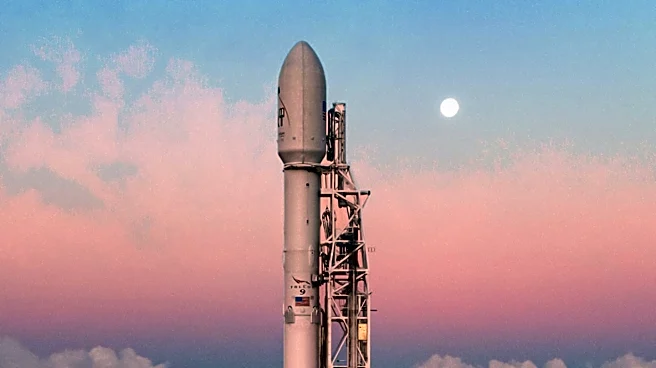
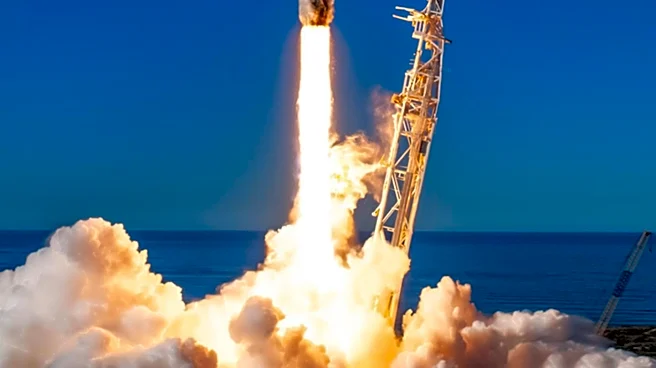
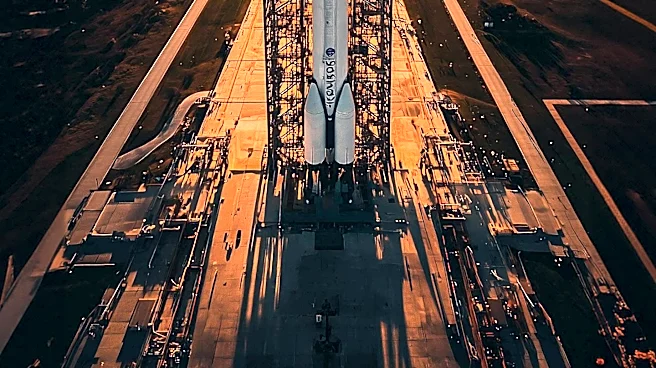
SpaceX successfully launched 24 Starlink internet satellites into orbit from Vandenberg Space Force Base in California on July 31, 2026. The launch was conducted using a Falcon 9 rocket, marking the 89th Falcon 9 mission of the year. The rocket's first
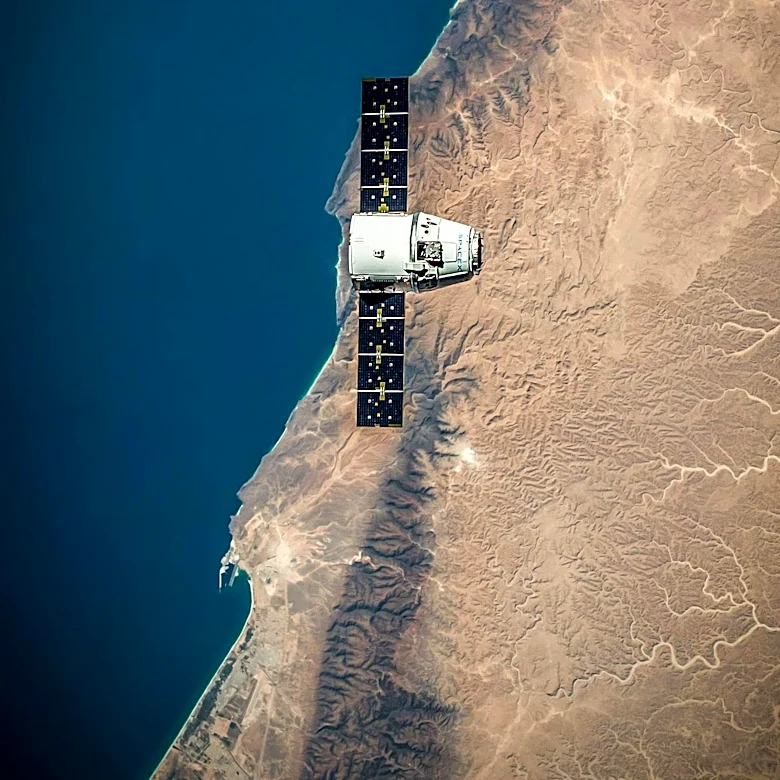
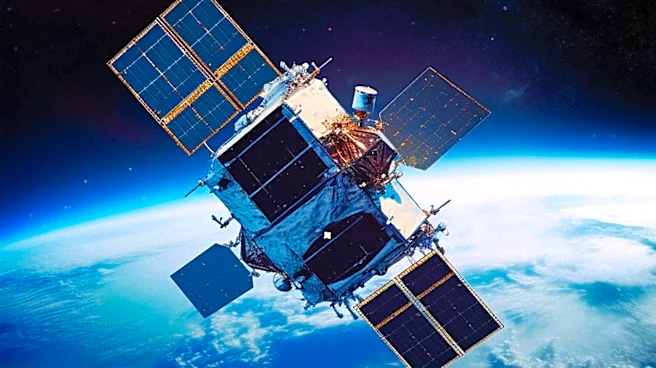
stage returned to Earth, landing on the SpaceX droneship 'Of Course I Still Love You' in the Pacific Ocean. This mission utilized booster B1081, which has now completed 26 missions. The 24 satellites were deployed into low Earth orbit 61.5 minutes after liftoff, joining over 10,800 other satellites in the Starlink megaconstellation, the largest satellite network ever assembled. SpaceX has dedicated 69 of its 89 Falcon 9 missions this year to Starlink launches.
Why It's Important?
The launch of additional Starlink satellites is significant as it continues to expand SpaceX's global internet service, which aims to provide high-speed internet access to underserved and remote areas worldwide. This expansion is crucial for bridging the digital divide, offering connectivity to regions lacking reliable internet infrastructure. The successful deployment of these satellites also demonstrates SpaceX's growing capability in satellite deployment and reusable rocket technology, which could lower costs and increase the frequency of space missions. The continued growth of the Starlink network enhances SpaceX's position in the competitive satellite internet market, potentially impacting traditional internet service providers and influencing global internet accessibility.
What's Next?
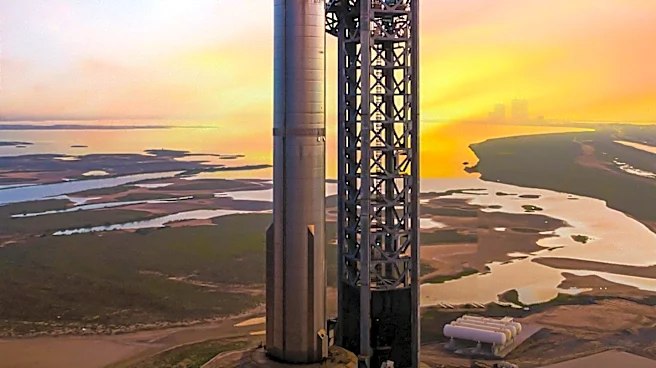
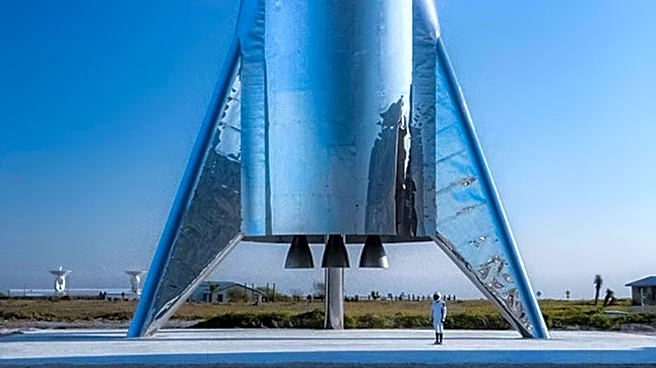
SpaceX is expected to continue its aggressive launch schedule, with more Starlink missions planned to further expand the satellite constellation. The company is also working on developing its Starship rocket, which aims to support missions to the moon and Mars. As the Starlink network grows, SpaceX will likely focus on improving service quality and expanding coverage areas. Regulatory challenges and competition from other satellite internet providers may influence future developments. Additionally, SpaceX's advancements in reusable rocket technology could lead to more cost-effective and frequent space missions, potentially opening new opportunities for commercial and scientific endeavors.