





What's Happening?
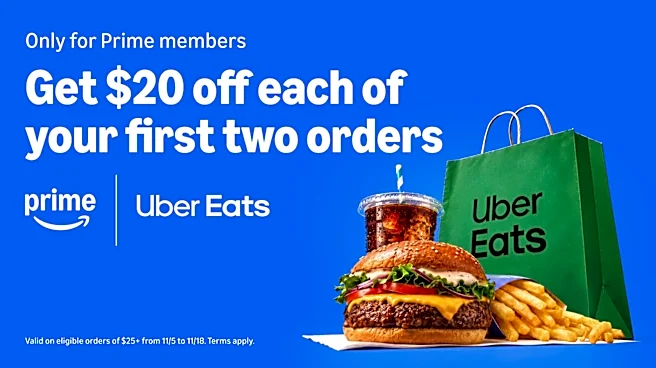
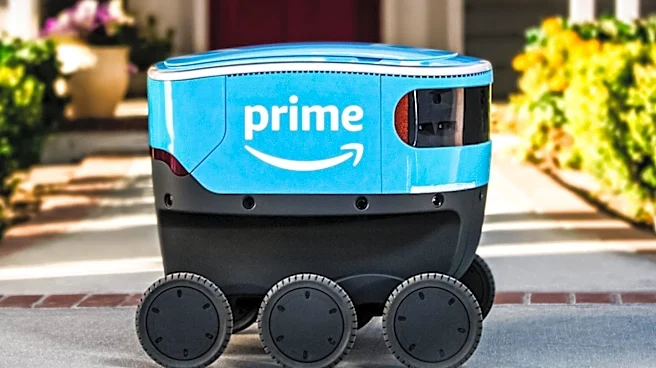
Amazon is adding Uber Eats as a new restaurant delivery perk for its Prime members in the U.S., effective immediately. This partnership allows Prime members to order from hundreds of thousands of restaurants via Uber Eats directly through Amazon.com and the Amazon shopping
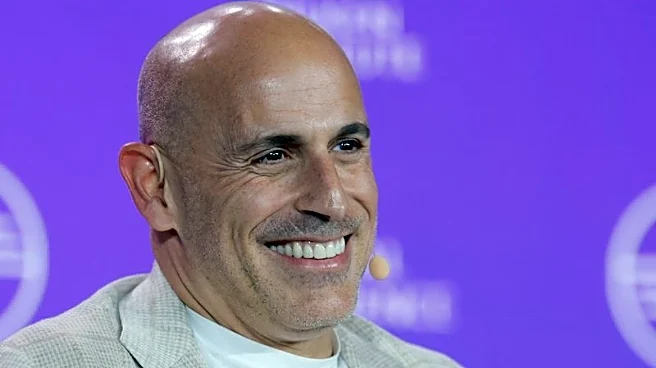
app, with no delivery fees for orders over $25. At launch, Prime members can also receive $20 off their first two Uber Eats orders of $25 or more, valid for the first 14 days. This new offering will replace Amazon's previous partnership with Grubhub for Prime members, which will be phased out. Andrew Macdonald, President and Chief Operating Officer of Uber, stated that the collaboration aims to make restaurant delivery as natural and affordable as ordering anything else on Uber Eats for Prime members.
Why It's Important?
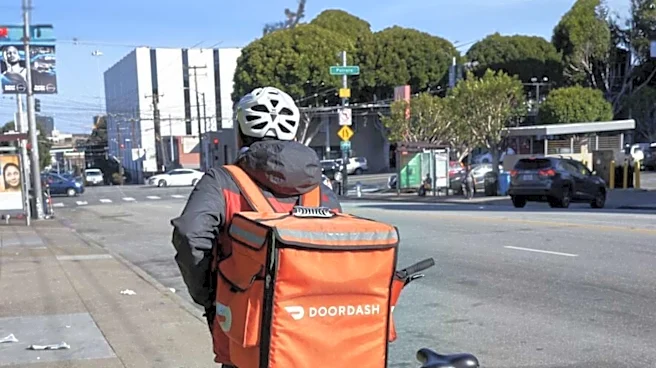
This strategic alliance between Amazon and Uber Eats significantly escalates the competition in the U.S. food delivery market. By integrating Uber Eats into its Prime membership, Amazon leverages its vast subscriber base, potentially driving a substantial increase in orders for Uber Eats and expanding its market share against rivals like DoorDash and Walmart. For Amazon Prime members, this adds another valuable benefit to their subscription, enhancing the overall appeal of Prime and potentially increasing retention. The move also puts pressure on other delivery platforms to offer more compelling incentives and partnerships to attract and retain customers. The consolidation of services under major tech giants like Amazon could reshape the landscape of on-demand delivery, potentially leading to fewer, larger players dominating the market and influencing pricing and service standards.
What's Next?
The integration of Uber Eats into Amazon Prime is likely to trigger a series of competitive responses from other major players in the food and grocery delivery sector. DoorDash, which recently announced a $17 billion offer to acquire Instacart, and Walmart, which is expanding its restaurant delivery partnerships, will likely intensify their efforts to secure market share. This could manifest in new loyalty programs, exclusive restaurant partnerships, or further technological innovations to improve delivery efficiency and customer experience. Consumers can anticipate a continued arms race of perks and discounts as companies vie for their business. The long-term impact could include further market consolidation, potentially leading to a few dominant platforms controlling a significant portion of the U.S. delivery economy. The success of this partnership will also be closely watched as a model for future collaborations between e-commerce giants and on-demand service providers.
Beyond the Headlines
The Amazon-Uber Eats partnership highlights a broader trend of 'super-app' development, where large tech companies aim to integrate multiple services into a single platform to capture more of the consumer's daily spending. This strategy can create powerful ecosystems that make it harder for smaller, specialized services to compete. From an economic perspective, the increased dominance of a few large platforms could raise concerns about market concentration and potential anti-competitive practices. For restaurants, while partnering with these platforms offers wider reach, it also means increased reliance on third-party services, potentially impacting their profit margins due to commission fees. The shift towards digital ordering and delivery also has implications for the future of physical retail and dining experiences, as consumer habits increasingly favor convenience and at-home consumption. This development underscores the ongoing digital transformation of the U.S. economy and its impact on various industries.