



What's Happening?
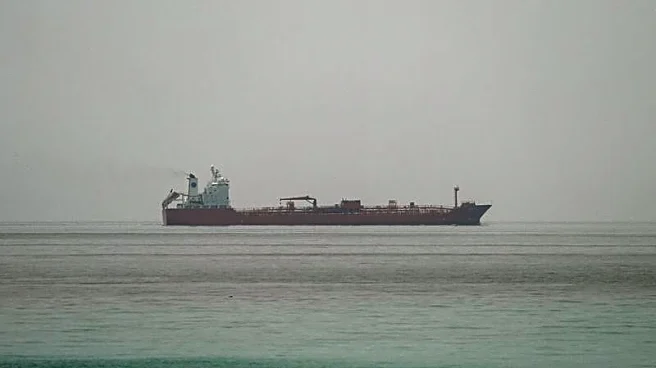
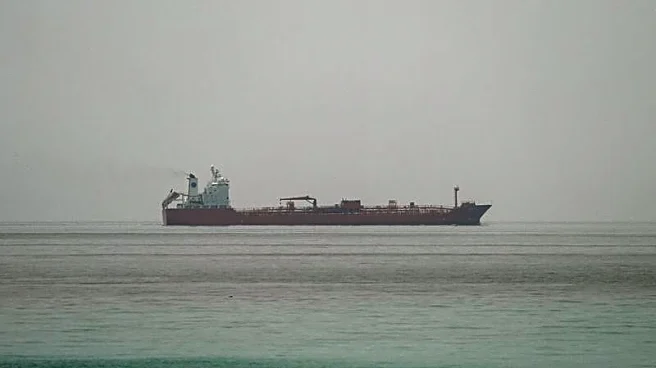
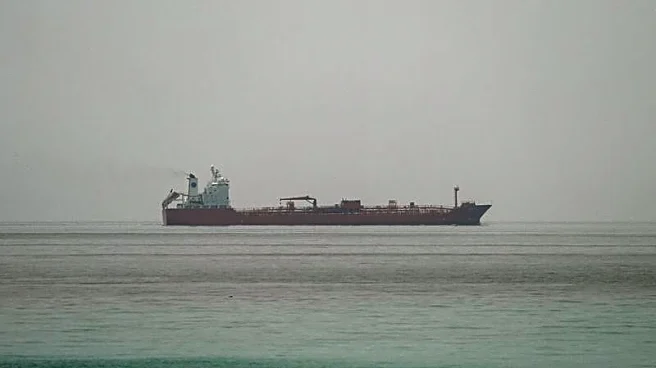
Saudi Aramco is actively evaluating additional crude oil export routes and expanding its overseas storage capacity to enhance supply security. This initiative comes in response to ongoing regional conflicts and restrictions impacting the Strait of Hormuz,
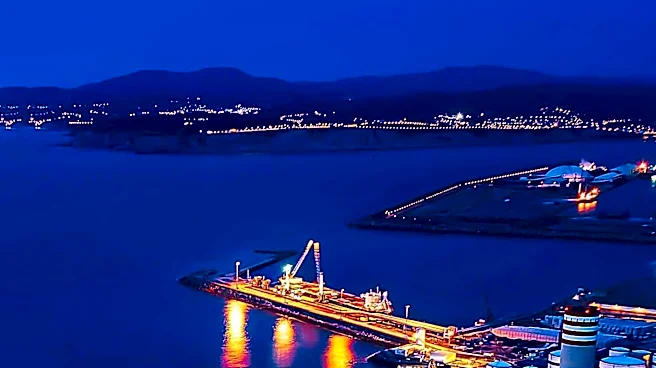
which continue to disrupt global petroleum trade. Amin Nasser, Aramco President and CEO, stated at the World Petroleum Congress in Riyadh that the company is seeking to strengthen its export flexibility and ensure consistent deliveries to international customers. The existing East-West pipeline offers an alternative by transporting crude from Saudi Arabia’s Eastern Province to export facilities at Yanbu on the Red Sea, bypassing the Strait of Hormuz. Saudi Energy Minister Prince Abdulaziz bin Salman indicated that the kingdom is considering increasing its pipeline export capacity to as much as 10 million barrels per day over the next two to three years, potentially involving infrastructure upgrades and repurposing an existing natural gas pipeline. Additionally, Aramco is reviewing opportunities to expand storage facilities outside Saudi Arabia, with previous operations identified in Asia, including Japan and South Korea, as crucial components of its international supply network.
Why It's Important?
This strategic move by Saudi Aramco is critical for global energy markets, particularly for the U.S., as it aims to mitigate the impact of geopolitical instability on oil supply. The Strait of Hormuz is a vital chokepoint for internationally traded crude oil, and disruptions there can significantly affect global oil prices and supply chains. By diversifying export routes and expanding storage, Saudi Arabia, a major oil producer, seeks to ensure a more reliable and stable supply of crude oil, which can help temper price volatility. For U.S. industries and consumers, a more secure global oil supply can translate to more predictable fuel costs, impacting everything from transportation and manufacturing to consumer goods. The increased flexibility in supply also reduces the vulnerability of importing nations, including the U.S., to regional conflicts and potential blockades, thereby enhancing energy security. This proactive approach by Aramco underscores the growing emphasis on transportation resilience within the oil and gas industry, highlighting that production capacity alone is insufficient without robust and diversified delivery mechanisms.
What's Next?
The next steps will involve specific project announcements, capital commitments, and progress toward expanding Saudi Arabia’s pipeline and overseas storage capabilities. While final investment decisions and construction schedules have not yet been announced, the evaluation signals a clear direction for Aramco. The proposed expansion of pipeline capacity, potentially reaching 10 million barrels per day, would require substantial infrastructure upgrades and regulatory approvals. The repurposing of a natural gas pipeline could add approximately 1.2 million barrels per day of capacity within seven to eight weeks, with further investments increasing this. Additionally, Aramco will continue to review opportunities for expanding overseas storage facilities. These developments will be closely watched by midstream companies, engineering contractors, and energy infrastructure providers, who could see significant opportunities. Refiners and international crude buyers will also monitor these changes, as more diversified supply routes could offer greater stability, especially during periods when established shipping corridors are disrupted. The long-term impact will depend on the successful implementation of these plans and their ability to effectively counter geopolitical risks.
Beyond the Headlines
The broader implications of Saudi Aramco's strategy extend beyond immediate supply security, touching upon long-term shifts in global energy infrastructure and geopolitical dynamics. The emphasis on diversifying export routes and expanding overseas storage reflects a fundamental re-evaluation of risk management in the energy sector. This move could lead to a more decentralized and resilient global oil supply network, potentially reducing the leverage of any single chokepoint or region. Ethically, it highlights the ongoing challenge of balancing energy security with geopolitical realities, as nations and companies seek to insulate themselves from conflicts. Economically, the substantial capital investments required for these projects will drive growth in the energy infrastructure sector, creating opportunities for engineering and construction firms. Culturally, it reinforces the strategic importance of oil in international relations and the continuous adaptation required to maintain stability in a volatile world. This proactive approach by a major producer like Saudi Aramco could also influence other oil-producing nations to similarly invest in supply chain resilience, leading to a more robust, albeit more complex, global energy landscape.