






What's Happening?
CET Academic Programs is showcasing the experiences of its students in São Paulo, Brazil, through a student correspondent's account. Isabella Moss, a student from Oberlin College, detailed her first month in the city, highlighting various activities and
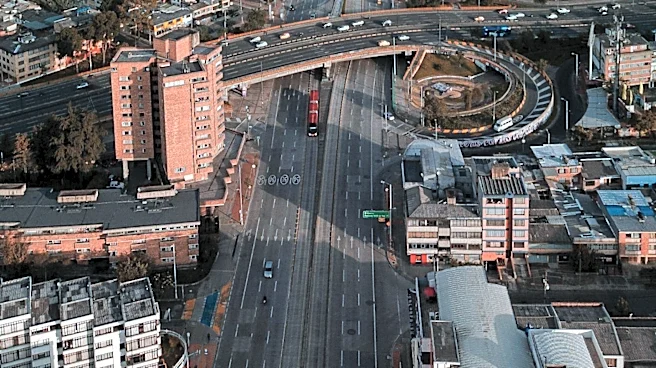
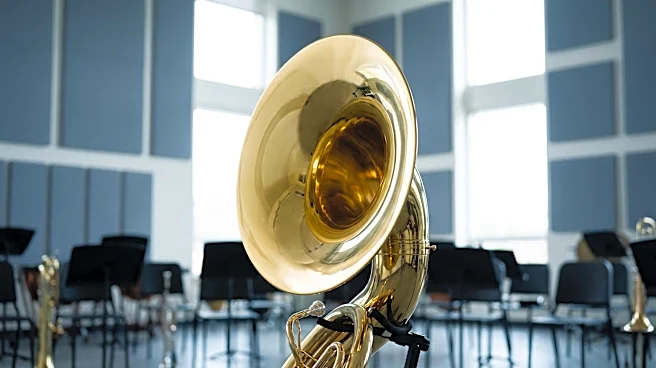
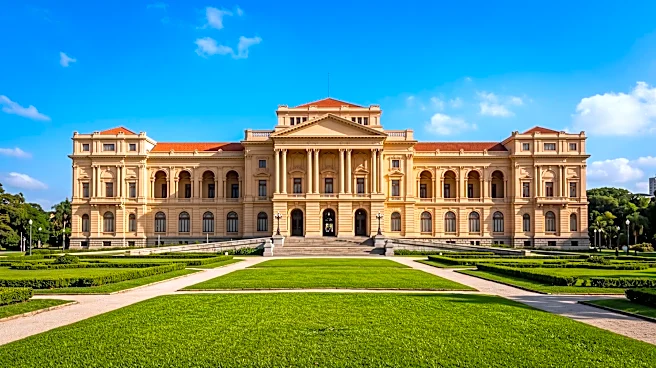
cultural immersions. These included a week-long orientation that helped students navigate their neighborhood and the city, a bateria lesson at Pontifícia Universidade Católica de São Paulo (PUC), and field trips to significant cultural sites like the newly renovated Museu do Ipiranga. The program also offers extracurricular activities, such as a hike to Pedra Grande, providing students with opportunities to explore beyond the city center and engage with local nature. São Paulo is noted as the largest city in the Southern Hemisphere, boasting over 22 million inhabitants and serving as a major cultural and financial hub.
Why It's Important?
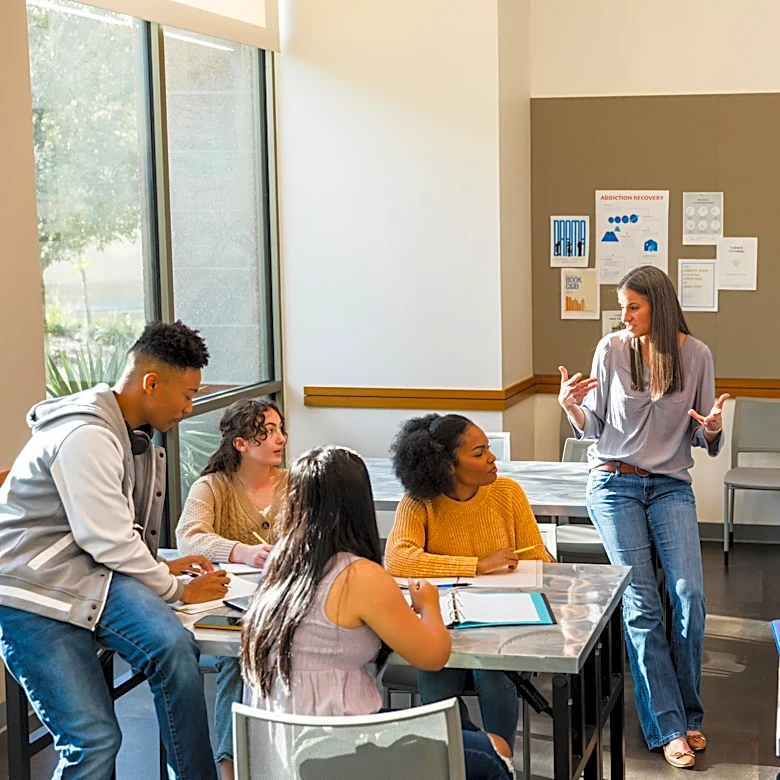
For U.S. students considering study abroad programs, this account from CET Academic Programs provides valuable insights into the practicalities and benefits of immersing oneself in a major international city like São Paulo. It highlights the program's efforts to facilitate cultural integration and academic enrichment, which are crucial for students' global perspectives and personal growth. The emphasis on local experiences, from music lessons to museum visits and nature hikes, demonstrates how such programs can offer a comprehensive understanding of a foreign culture. For U.S. educational institutions, these programs contribute to developing globally competent graduates, enhancing their resumes, and broadening their worldviews. The exposure to diverse social and environmental issues, as mentioned in the anthropology class context, also aligns with contemporary educational goals of fostering critical thinking and global citizenship among American students.
What's Next?
CET Academic Programs will likely continue to offer and promote similar study abroad opportunities in São Paulo, building on the positive experiences shared by students like Isabella Moss. Prospective students can anticipate a curriculum that combines academic rigor with extensive cultural immersion and extracurricular activities. The program's staff and local roommates will continue to assist students in navigating the city and discovering its various offerings. The ongoing success of such programs could lead to increased enrollment from U.S. universities, further strengthening educational ties between the U.S. and Brazil. Additionally, the program may expand its offerings to include more specialized courses or experiences based on student feedback and evolving academic interests.
Beyond the Headlines
The student experiences in São Paulo underscore the profound impact of international education on individual development and cross-cultural understanding. Beyond academic learning, these programs foster resilience, adaptability, and a deeper appreciation for global diversity. For U.S. students, living in a city as vast and dynamic as São Paulo challenges preconceived notions and encourages a more nuanced understanding of complex social and cultural landscapes. The mention of discussing constructed narratives and the portrayal of Black and Indigenous people in Brazilian history at the Museu do Ipiranga highlights the program's commitment to addressing critical social justice issues, which is increasingly relevant in global education. Such experiences contribute to creating a generation of U.S. citizens who are more empathetic, informed, and capable of engaging with a diverse and interconnected world.