

What's Happening?
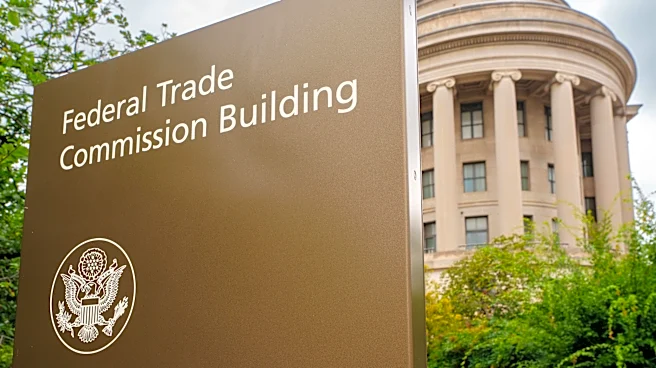
The Federal Trade Commission (FTC) has announced a proposed settlement with Elk River, Inc., an Alabama-based manufacturer of safety harnesses and fall protection equipment. The settlement addresses allegations that Elk River falsely advertised its products
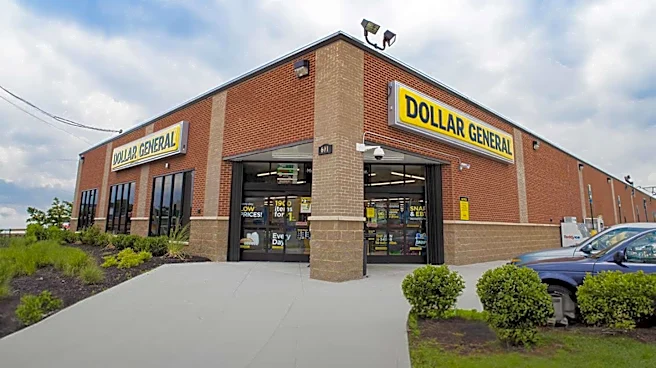
as 'Made in USA,' 'American-made,' and '#madeinalabama' on its website, promotional materials, social media, and product labels. The FTC's complaint states that Elk River used significant imported components, including parts essential to the harnesses' operation, which violates Section 5 of the FTC Act and the Made in USA Labeling Rule. The rule requires products to be 'all or virtually all' made in the United States to qualify for such claims. The proposed order includes a monetary judgment of approximately $4.4 million, with most of it suspended based on the company's inability to pay, and prohibits future misleading country-of-origin claims. Additionally, the FTC has expanded its deceptive pricing lawsuit against Dollar General Corporation, adding ten more states to the complaint. The amended complaint, filed in the U.S. District Court for the Middle District of Tennessee, now includes Delaware, Georgia, Kentucky, Maine, Minnesota, New Mexico, Oregon, Rhode Island, South Carolina, and South Dakota, bringing the total number of state co-plaintiffs to 30. The lawsuit alleges that Dollar General routinely charged consumers higher prices at checkout than those displayed on shelves and advertisements, despite being aware of these discrepancies.
Why It's Important?
These actions by the FTC underscore the agency's commitment to consumer protection and fair competition in the U.S. market. The settlement with Elk River sends a clear message to manufacturers that 'Made in USA' claims must be accurate and substantiated, protecting consumers who prioritize purchasing American-made goods and ensuring a level playing field for businesses that genuinely meet these criteria. False advertising can mislead consumers, erode trust, and disadvantage domestic manufacturers who adhere to strict labeling standards. The expansion of the lawsuit against Dollar General highlights the widespread issue of deceptive pricing practices in retail. When retailers charge more at checkout than advertised, it directly impacts consumers' wallets, particularly those in lower-income brackets who often rely on discount stores. This practice can lead to financial harm for individuals and undermine consumer confidence in pricing transparency. The involvement of multiple states in the Dollar General lawsuit indicates a broader concern among state attorneys general regarding these practices and their impact on their constituents.
What's Next?
For Elk River, the proposed order will impose a monetary judgment, with a significant portion suspended, and will prohibit the company from making misleading or unsubstantiated country-of-origin claims in the future. The company will also be required to notify affected customers of the settlement. The suspended monetary amount could become due if the court finds material misrepresentations or omissions in Elk River's financial disclosures. For Dollar General, the expanded lawsuit will proceed in the U.S. District Court for the Middle District of Tennessee. The plaintiffs, including the FTC and 30 states, are seeking permanent injunctive and monetary relief, which could include consumer restitution, disgorgement of profits, and civil penalties under applicable state laws. This legal action could result in significant financial penalties for Dollar General and may force the retailer to implement more stringent pricing accuracy measures across its stores nationwide. The outcome of this lawsuit could also set a precedent for how other large retailers are held accountable for deceptive pricing practices.
Beyond the Headlines
The FTC's actions against Elk River and Dollar General reflect a broader regulatory push to ensure truthfulness in advertising and pricing. The 'Made in USA' labeling rule is crucial for maintaining consumer trust and supporting domestic manufacturing. In an increasingly globalized economy, the origin of products can be a significant factor for consumers, and misrepresenting this information can have ethical and economic implications. The deceptive pricing allegations against Dollar General also touch upon issues of economic justice and consumer vulnerability. Such practices disproportionately affect low-income communities, where Dollar General stores are often prevalent, and where small price discrepancies can have a greater impact on household budgets. These cases highlight the ongoing challenge of enforcing consumer protection laws in a complex marketplace and the importance of regulatory bodies like the FTC in safeguarding consumer rights and promoting fair business practices. The collective action by the FTC and multiple states against Dollar General also demonstrates a growing trend of inter-agency cooperation in addressing widespread consumer harm.