







What's Happening?
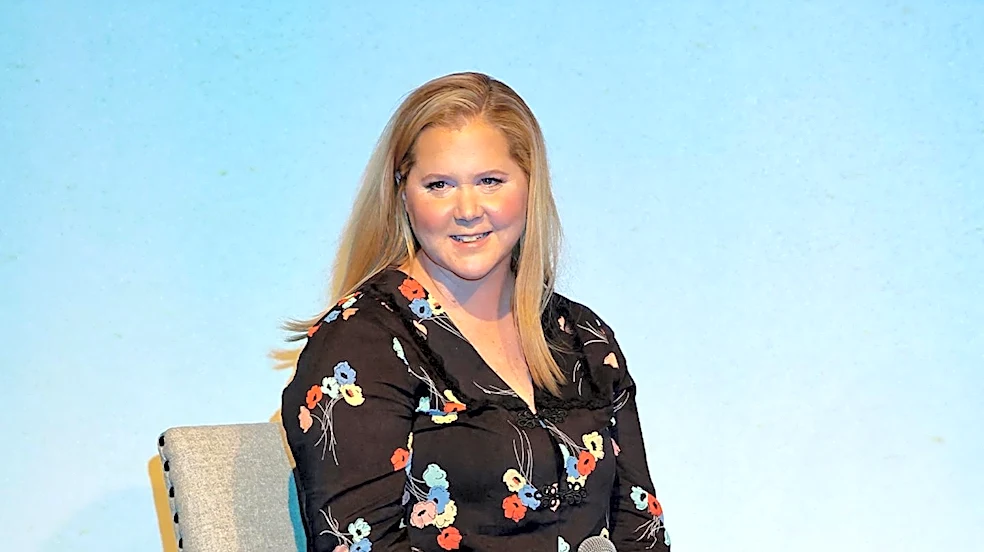
Comedian Amy Schumer has openly discussed the difficulties of caring for her father, who has multiple sclerosis (MS) and resides in assisted living. During an appearance on 'Beyond the Program with Jim Curtis,' Schumer shared that her father is 'unhappy'
and experiences short-term memory loss, often forgetting her visits shortly after she leaves. Despite the hardships, she emphasized that they still share 'beautiful moments,' including listening to music and reminiscing about past memories. Schumer recounted a pivotal family vacation where her father's declining balance made it clear he would need a wheelchair, marking a significant and painful realization for her about the progression of his illness. She also reflected on how her father's MS and her mother's departure during her childhood influenced her comedic style as a coping mechanism.
Why It's Important?
Amy Schumer's candid discussion sheds light on the often-unseen challenges faced by caregivers of elderly parents with chronic illnesses like MS. Her experience highlights the emotional toll, the grief associated with witnessing a parent's decline, and the complex dynamics of maintaining a relationship amidst such circumstances. This public sharing by a prominent figure can help destigmatize the struggles of caregiving and raise awareness about the realities of living with and caring for someone with MS. It also underscores the importance of finding moments of connection and joy even in difficult situations. Furthermore, Schumer's reflection on how these early life experiences shaped her comedic identity offers insight into the psychological impact of trauma and how individuals develop coping mechanisms, often transforming pain into creative expression.
What's Next?
While the source does not specify immediate next steps for Amy Schumer regarding her father's care, her continued public discussions about her experiences could contribute to broader conversations about elder care, chronic illness, and caregiver support. Her platform may inspire other individuals and families facing similar situations to seek resources, share their stories, or advocate for better support systems. For Schumer herself, her father's condition will likely remain a significant aspect of her personal life, potentially influencing future creative projects or advocacy efforts. Her ongoing commitment to finding 'beautiful moments' suggests a continued focus on cherishing their relationship despite the challenges. The discussion also implies a continuous process of adaptation and emotional processing for Schumer as her father's condition evolves.
Beyond the Headlines
Amy Schumer's narrative delves into the profound and often unspoken aspects of familial love, loss, and resilience in the face of chronic illness. The 'unhappiness' and memory loss experienced by her father highlight the devastating impact of neurological conditions not only on the patient but also on their loved ones, who must navigate a changing relationship dynamic. Her revelation that these early experiences shaped her comedic approach speaks to the transformative power of art as a coping mechanism and a means of processing pain. This story transcends a mere celebrity anecdote, offering a poignant commentary on the fragility of life, the unpredictability of health, and the enduring human capacity to find humor and connection amidst profound sorrow. It also implicitly raises questions about societal support for long-term care and the emotional burden placed on family caregivers.