


What's Happening?
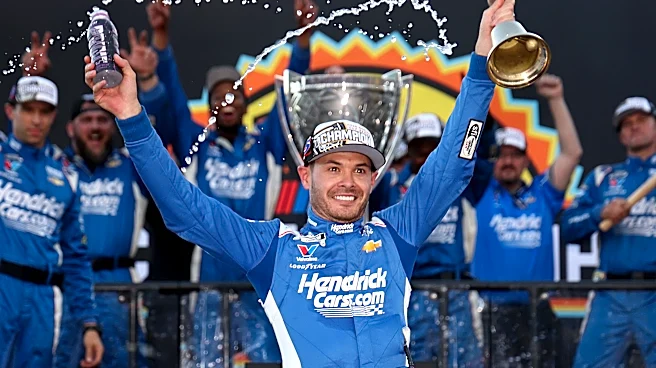
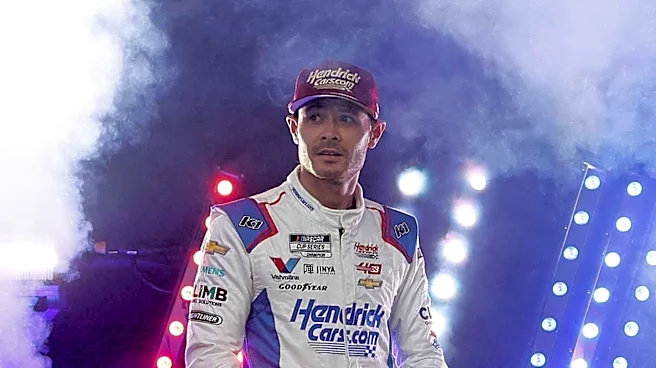
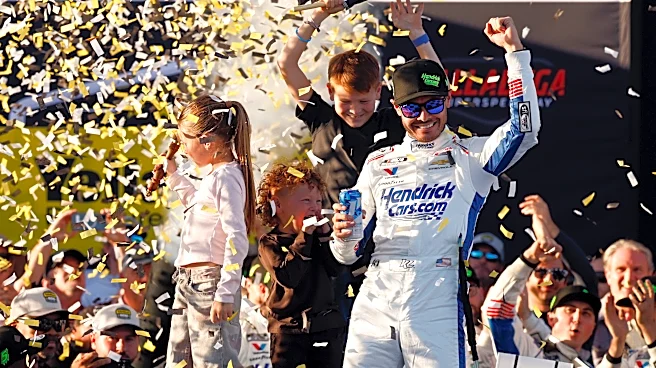
Kyle Larson is on the verge of securing his third NASCAR Cup Series title, holding a significant 73-point lead over Denny Hamlin. This potential victory would make him the first driver since Jimmie Johnson (2006-2010) to win back-to-back championships.
Larson's current performance in the 2026 Chase has been notably consistent, with top-six finishes in six of the first seven Chase races, including wins at World Wide Technology Raceway and Kansas. His average finish during this period is 2.83, marking the second-best six-race opening to a postseason in Cup history. Larson has expressed that a 2026 title would be 'easier to explain' compared to his 2025 championship, which he felt was perceived by some as a result of luck due to a late-race caution and strategy call at Phoenix. Despite his substantial lead, Larson and his crew chief, Cliff Daniels, remain focused on individual race performance, acknowledging that mechanical issues or on-track incidents could still alter the championship landscape.
Why It's Important?
Larson's potential back-to-back championship is significant for NASCAR as it would mark a rare achievement in the sport's modern era, highlighting sustained excellence and potentially establishing him as a dominant figure. The discussion around the 'explainability' of his championships also underscores ongoing debates within NASCAR regarding its playoff formats. Larson's preference for the current 10-race Chase format, which rewards consistent performance over a longer period, over the previous winner-take-all finale, reflects a sentiment among some drivers and fans who favor a championship determined by a broader body of work rather than a single race's unpredictable outcome. A clear, dominant championship run by Larson could lend further credibility to the current Chase format, influencing future discussions about NASCAR's championship structure and how it balances excitement with rewarding season-long performance. His success also impacts sponsor visibility and team prestige within the highly competitive NASCAR ecosystem.
What's Next?
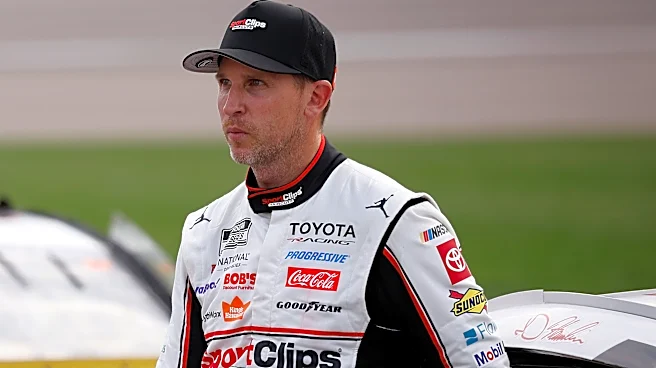
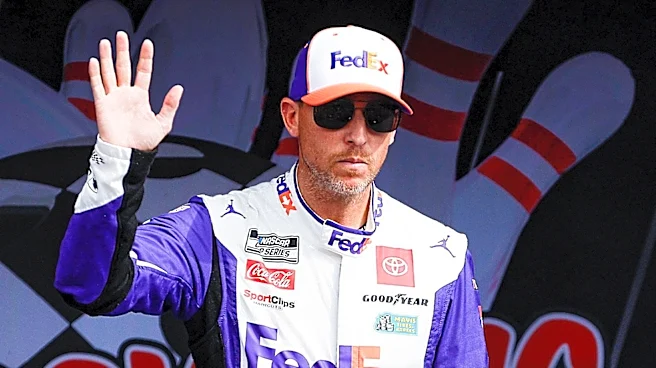
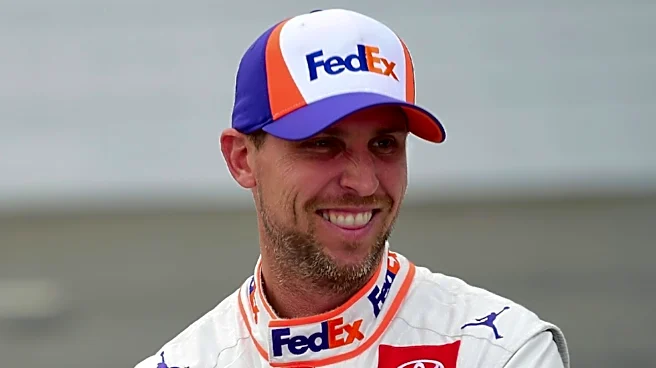
With a 73-point lead, Kyle Larson is in a strong position heading into the final races of the NASCAR Cup Series season. While he has downplayed an early clinch, a solid performance at Martinsville could further solidify his lead, potentially allowing him to secure the championship before the final race at Homestead. NASCAR has indicated that 59 points at Martinsville would put the title beyond the reach of other competitors, though Larson would still need to start the Homestead race to officially claim the title. The immediate focus for Larson and his No. 5 team will be to maintain their consistent performance, avoid mechanical failures, and navigate on-track incidents. Competitors like Denny Hamlin, who qualified on pole at Martinsville, will be looking to close the points gap, making the upcoming races critical for the championship outcome. The racing community will be watching closely to see if Larson can maintain his momentum and achieve the rare feat of back-to-back titles.
Beyond the Headlines
The narrative surrounding Kyle Larson's championships extends beyond mere race results, touching upon the very essence of how sporting championships are perceived and valued. His reflection on the 'explainability' of his titles highlights a broader cultural aspect of sports: the desire for a clear, unambiguous narrative of victory. The 2025 championship, won through a strategic two-tire call during an overtime restart, while perfectly within the rules, left some feeling it was less 'earned' than a dominant performance. This sentiment points to an underlying tension in modern sports formats that prioritize dramatic finishes and unpredictability, sometimes at the expense of rewarding season-long dominance. Larson's current 2026 Chase, characterized by consistent top finishes and multiple wins, offers a more traditional narrative of earned success, which he believes will be remembered for 'good reasons.' This distinction could influence how NASCAR and other sports leagues consider balancing competitive excitement with the integrity and perceived fairness of their championship structures in the long term.