






What's Happening?
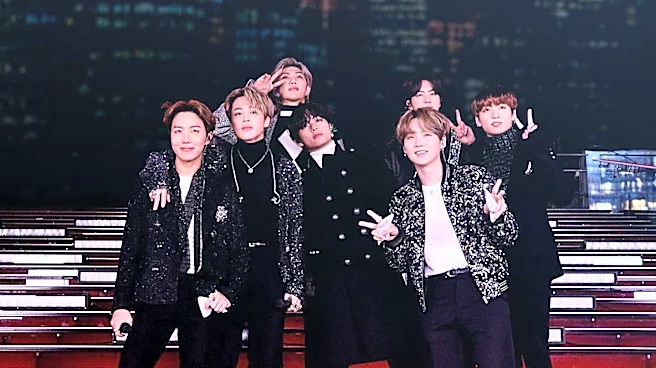
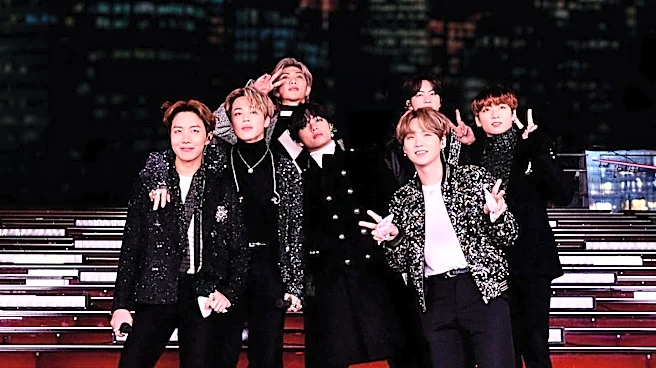
BTS, the globally renowned K-Pop group, has launched a cultural project titled 'BTS THE CITY ARIRANG - NEW YORK' in New York City. This initiative has turned several iconic locations in the city into vibrant cultural hubs, including the MetLife Stadium,
Grand Central Terminal, and the Rockefeller Center. The project features a variety of programs that blend BTS's music with local culture, attracting both concertgoers and tourists. Notably, the Rockefeller Center's popular observation deck, 'Top of the Rock,' has been themed around 'THE CITY ARIRANG,' drawing significant attention from visitors. The project also includes live performances and art installations, creating a unique cultural experience for attendees.
Why It's Important?
This project underscores BTS's influence beyond music, highlighting their role as cultural ambassadors. By integrating their brand with New York's cultural landmarks, BTS is fostering a deeper connection between Korean pop culture and international audiences. This initiative not only enhances BTS's global presence but also boosts local tourism and cultural exchange. The project demonstrates the potential of music and culture to transcend geographical boundaries, promoting a global appreciation for diverse cultural expressions. It also reflects the growing impact of K-Pop as a significant cultural force worldwide.
What's Next?
The success of 'THE CITY ARIRANG' in New York could pave the way for similar cultural projects in other major cities, further expanding BTS's global reach. As the project continues, it is likely to attract more visitors and media attention, potentially influencing other artists and cultural institutions to explore similar initiatives. The collaboration between BTS and New York's cultural sites may inspire future partnerships that blend entertainment with cultural heritage, offering new opportunities for cultural diplomacy and international collaboration.
Beyond the Headlines
Beyond its immediate impact, this project highlights the evolving role of artists as cultural influencers and the potential for music to serve as a bridge between different cultures. It raises questions about the commercialization of cultural spaces and the balance between artistic expression and cultural preservation. The project also reflects broader trends in the entertainment industry, where artists are increasingly leveraging their platforms to engage with global audiences in innovative ways.