






What's Happening?
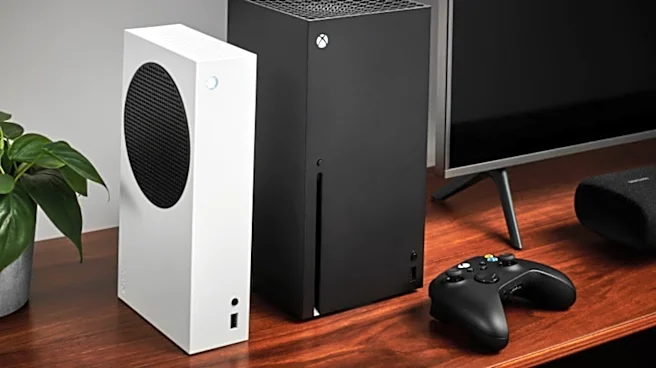
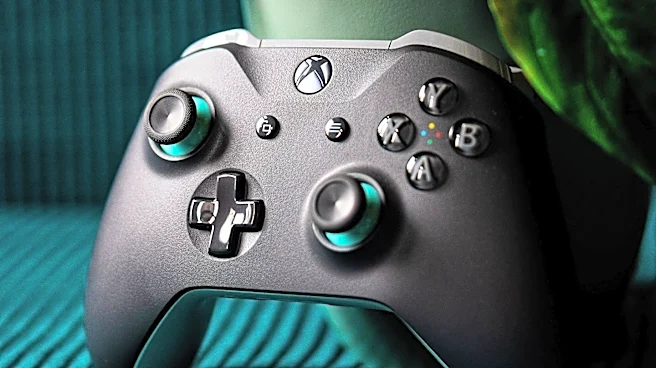
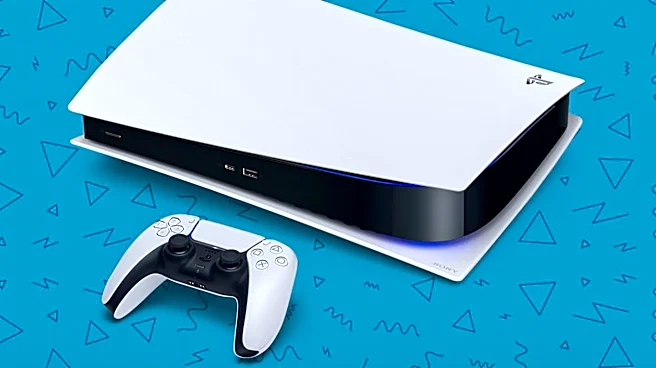
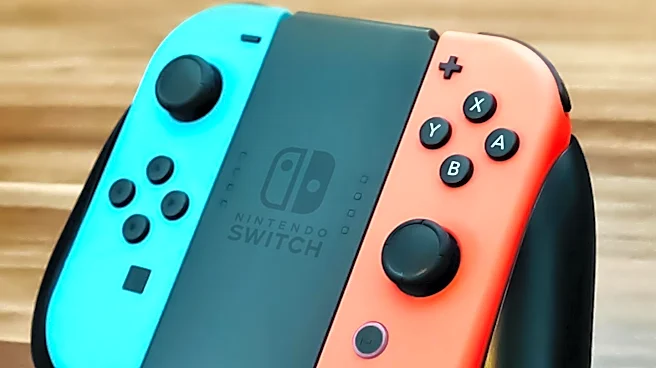
The Nintendo Switch 2 has achieved the status of the second fastest-selling console in U.S. history, with 5.9 million units sold in its first year. This success comes despite challenges faced by competitors, as PlayStation and Xbox record their worst
May sales in decades. The Switch 2's strong performance is attributed to its popularity and the ongoing component shortage affecting the industry. Meanwhile, PlayStation 5 and Xbox sales have declined due to recent price increases and economic pressures.
Why It's Important?
The Switch 2's rapid sales highlight Nintendo's strong market position and consumer appeal, even as other major players struggle with declining sales. The component shortage and rising costs are significant factors impacting the industry, leading to price hikes and affecting consumer purchasing power. This situation underscores the importance of strategic pricing and supply chain management in maintaining competitiveness. The success of the Switch 2 also reflects consumer preferences for innovative and accessible gaming experiences.
What's Next?
As the component shortage persists, the gaming industry may continue to face challenges in meeting demand and managing costs. Companies may explore alternative strategies, such as digital offerings and subscription services, to sustain growth. The upcoming release of major titles like Grand Theft Auto 6 could influence console sales and market dynamics. Stakeholders will be closely monitoring these developments to assess their impact on the industry's future.