



What's Happening?
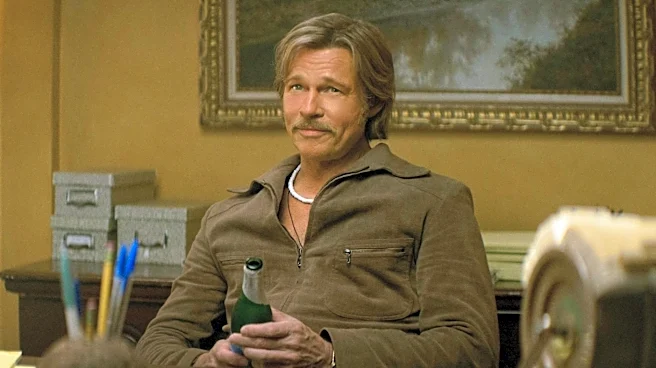
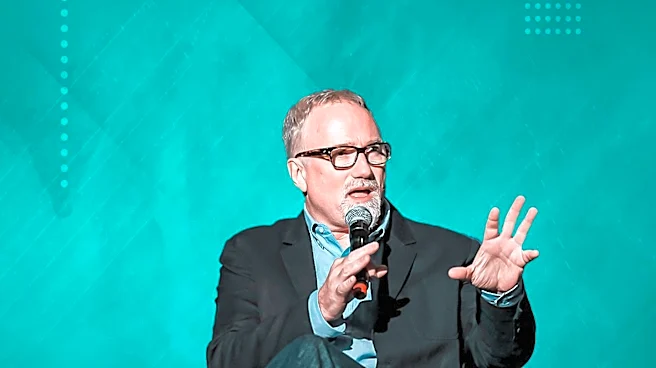
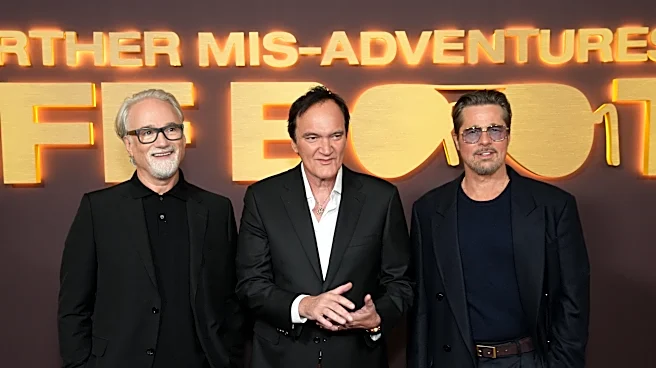
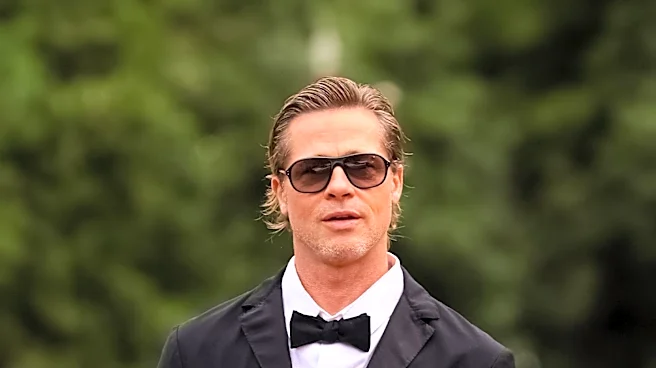
Director David Fincher has publicly defended the use of artificial intelligence in filmmaking, stating he does not 'fear the unknown,' amidst growing controversy surrounding his latest film, 'The Further Mis-Adventures Of Cliff Booth.' Critics and filmmakers
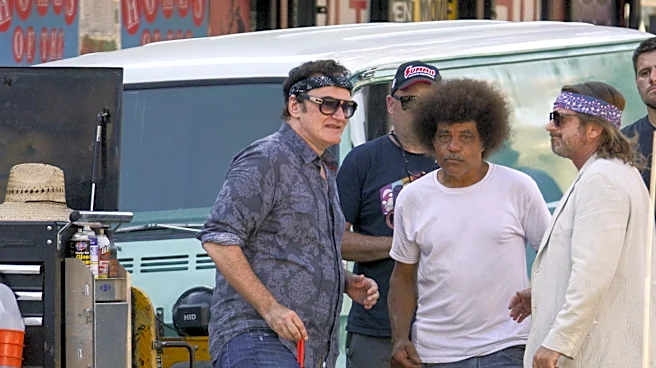
have raised concerns about alleged generative AI imagery in the Brad Pitt-starring movie, circulating screenshots and pointing out visual inconsistencies on social media. While Netflix has not confirmed or addressed these allegations, Fincher's comments to the Los Angeles Times indicate his openness to technological advancements in cinema. He questioned the sentiment of halting technological progress in an art form that is only a century old, referencing his long history of embracing digital filmmaking and visual effects. Fincher has previously acknowledged using AI for restoring older works like 'Se7en' and 'Fight Club,' though AI involvement in the latter's restoration remains unconfirmed.
Why It's Important?
This controversy highlights a significant debate within the U.S. film industry regarding the ethical and artistic implications of generative AI. Fincher's stance, as a prominent director, could influence how AI is perceived and adopted by other filmmakers and studios. The allegations surrounding 'Cliff Booth' raise questions about the authenticity of visual content and the potential impact on creative jobs, which are central concerns for unions and artists. If AI use becomes widespread and unacknowledged, it could alter audience expectations and the perceived value of human artistry in film. The discussion also touches upon intellectual property rights and the future of visual effects, potentially leading to new industry standards or regulations.
What's Next?
The debate surrounding AI in 'Cliff Booth' is likely to intensify as the film approaches its IMAX release on November 25 and Netflix debut on December 23. Further scrutiny from critics and audiences could pressure Netflix or Fincher to address the specific allegations of generative AI use. This situation may prompt broader discussions within Hollywood about transparency regarding AI implementation in productions. Industry guilds and unions, particularly those representing visual effects artists and actors, may use this case to advocate for clearer guidelines, ethical frameworks, or even contractual clauses related to AI usage. The outcome could set precedents for how AI is integrated into future major film productions.
Beyond the Headlines
The 'Cliff Booth' controversy extends beyond a single film, touching upon fundamental questions about the nature of art and authorship in the age of artificial intelligence. Fincher's embrace of AI reflects a broader technological shift that challenges traditional filmmaking practices and aesthetics. The debate raises philosophical questions about what constitutes 'human' creativity versus machine-generated content and how audiences perceive authenticity. Legally, it could lead to new challenges in copyright and intellectual property, especially if AI-generated elements are derived from existing works without proper attribution or compensation. Culturally, the widespread adoption of AI in film could reshape visual storytelling, potentially leading to new genres or visual styles, but also raising concerns about the homogenization of artistic expression or the devaluation of human craft.