







What's Happening?
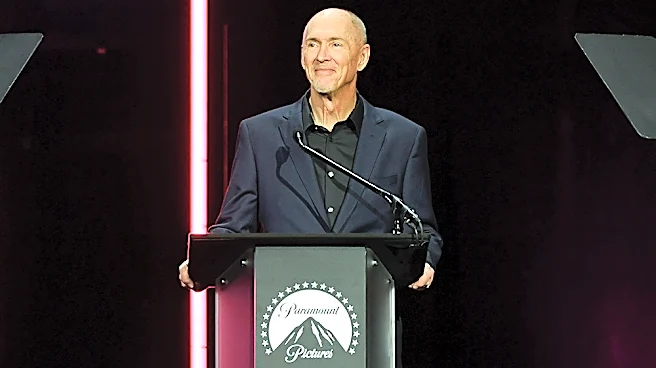
Chris Aronson, the former president of Domestic Theatrical Distribution at Paramount, has filed a lawsuit against the studio, alleging age discrimination and breach of contract. The lawsuit, filed in L.A. Superior Court, seeks over $4 million in unspecified
damages. Aronson, who was 69 at the time of his departure in late 2025, claims he was terminated without cause and replaced by a substantially younger executive after Skydance, led by David Ellison, took control of Paramount from Shari Redstone. According to the complaint, Paramount had asked Aronson to commit to the studio until December 1, 2028, but terminated him less than three months after the Skydance transaction closed. He alleges that his healthcare coverage and other benefits were cut off, and the studio attempted to reduce his compensation by $1.3 million by shortening his contract. Aronson's lawyer, Barry Kaufman, stated that the case is about a "broken promise and an age-skewed replacement decision." The lawsuit also cites Paramount's own workforce data, claiming it shows a disproportionate share of layoffs affecting older employees, particularly those aged 55 and above, suggesting an age-based discriminatory motive.
Why It's Important?
This lawsuit is significant for the U.S. entertainment industry, particularly Hollywood, as it highlights potential issues of age discrimination and corporate restructuring following major acquisitions. The allegations against Paramount, a prominent studio, could set a precedent for how executive transitions are handled in the wake of mergers and takeovers. If Aronson's claims of age discrimination are substantiated, it could lead to increased scrutiny of hiring and firing practices across the industry, potentially impacting how companies manage their workforce, especially older, experienced employees. The lawsuit also underscores the financial implications of executive contracts and the potential for disputes over compensation and benefits during corporate changes. For other executives in similar positions, this case could influence their negotiation strategies and legal protections. The ongoing legal battle, coupled with the broader context of Warner Bros. Discovery's potential acquisition of Paramount, adds another layer of complexity to the studio's operational and public relations challenges, potentially affecting investor confidence and future business dealings.
What's Next?
The lawsuit will proceed through the L.A. Superior Court, with Aronson seeking a jury trial. Paramount is expected to formally respond to the allegations, likely denying the claims of age discrimination and breach of contract. The legal process will involve discovery, where both sides exchange information and evidence, including internal company data on layoffs and executive compensation. The court will examine the terms of Aronson's contract and the circumstances surrounding his termination. The outcome could result in a settlement between the parties or a full trial. If the case goes to trial, the jury will decide whether Paramount engaged in age discrimination and breached its contract with Aronson. The verdict could lead to significant financial damages for Paramount, including punitive damages if discriminatory intent is proven. This case may also influence other former Paramount executives who were let go during the Skydance takeover to consider similar legal actions, potentially leading to a wave of lawsuits against the studio.
Beyond the Headlines
This lawsuit delves into the often-unseen dynamics of power and ageism within corporate America, particularly in high-stakes industries like entertainment. Beyond the financial claims, Aronson's case brings to light the ethical considerations of corporate takeovers and the treatment of long-serving employees. The allegation that older employees bore a disproportionate share of layoffs raises questions about the value placed on experience versus the perceived benefits of a younger workforce. This could spark broader conversations about age diversity in leadership roles and the challenges faced by older professionals in maintaining their careers in rapidly evolving industries. The case also highlights the intricate legal frameworks governing employment contracts and the protections afforded to employees, even at the executive level. The outcome could contribute to a re-evaluation of corporate responsibility and the social impact of business decisions, potentially influencing future legislative efforts or industry best practices regarding age discrimination and executive compensation during corporate transitions.