






What's Happening?
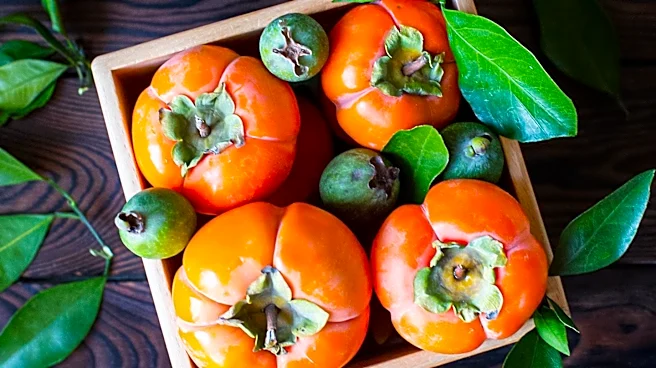
Taishu persimmons are currently in season in Shinjuku City, Japan, and are available at Isetan Underground grocery. These persimmons are a medium to large Japanese variety, typically weighing between 380 to 500 grams, with an oblate, slightly flattened
shape. They are characterized by their semi-thick, smooth, and glossy skin that ripens from green to a muted copper-orange. The flesh is pale yellow to golden-orange, aqueous, dense, and semi-firm, offering a crisp, crunchy, and succulent consistency. Taishu persimmons are known for their high sugar content, ranging from 17 to 18 Brix, which contributes to their rich, sweet, and refreshing taste. They are a completely sweet persimmon variety, meaning they have low astringency. This specialty fruit is available for a limited season, primarily from mid to late fall through early winter, with peak availability in October and November.
Why It's Important?
The availability of Taishu persimmons highlights a seasonal culinary offering that is valued for both its taste and versatility. For consumers, it provides an opportunity to enjoy a unique fruit that can be consumed fresh or incorporated into various dishes. Its distinct crunchy texture and high sweetness make it a desirable ingredient for both simple enjoyment and more complex culinary creations. The fruit's nutritional profile, including vitamins C and A, potassium, and fiber, also makes it a healthy addition to diets. The limited seasonal availability positions Taishu persimmons as a specialty item, often sought after for their quality and unique characteristics, contributing to the diverse gastronomic landscape of Japan.
What's Next?
As Taishu persimmons are in their peak season during October and November, consumers can expect continued availability in specialty markets like Isetan Underground grocery in Shinjuku City. The fruit can be enjoyed fresh, sliced into wedges, or used in a variety of culinary applications. These include salads like shiraae and namasu, charcuterie boards, fruit dishes, jams, jellies, baked goods such as bread, crumbles, pies, and puddings. They pair well with flavors like vanilla, heavy cream, maple syrup, brown sugar, bourbon, and spices such as cinnamon, cloves, nutmeg, and ginger. Proper storage involves wrapping whole, unwashed persimmons in newspaper and storing them in a plastic bag in a cool, dry, dark place for 2 to 3 days at room temperature, or up to a week in the refrigerator's crisper drawer.
Beyond the Headlines
The presence of Taishu persimmons in the market reflects a broader appreciation for seasonal and specialty produce in Japanese culinary culture. The fruit's development in the late 20th century, specifically bred to ripen earlier than Fuyu persimmons, demonstrates agricultural innovation aimed at filling market gaps and offering unique consumer experiences. Its classification as a 'completely sweet' persimmon with low astringency caters to a preference for immediate enjoyment without the need for ripening to reduce tartness. The cultural significance of persimmons in Japan, often given as fall seasonal gifts and associated with health benefits, underscores their role beyond mere consumption, linking them to tradition and well-being. The labeling of premium varieties like 'Premium Taishu Sakigake' in luxury department stores further highlights the value placed on high-quality, ready-to-eat produce.