



What's Happening?
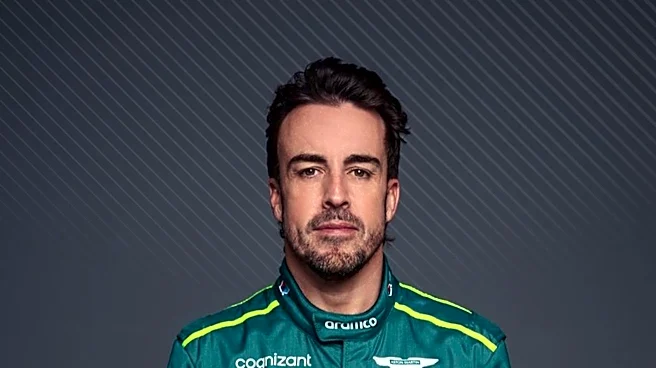
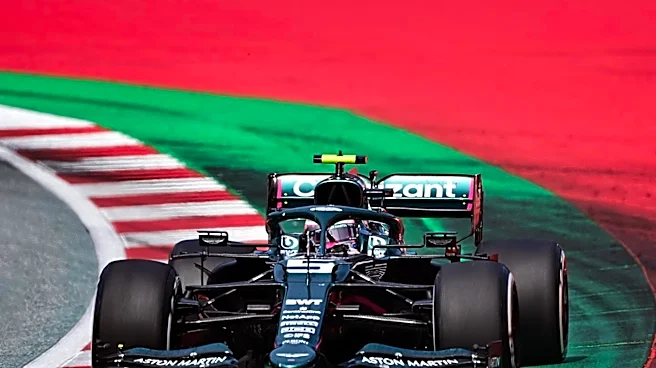
Jenson Button, the 2009 Formula 1 champion, has highlighted the critical importance of continuity in driver lineups for teams like Aston Martin and Racing Bulls. Speaking with F1.com, Button discussed Aston Martin's decision to retain Fernando Alonso
and Lance Stroll for the 2027 season, stating that their continued feedback is essential for shaping the car's development. He emphasized that while Fernando Alonso has world championships, Lance Stroll's feedback is equally important for enhancing the car and ensuring it works for both drivers. Button applied the same logic to Racing Bulls' decision to keep Liam Lawson for 2027, arguing that it would have been 'foolish' to drop him given his strong performance in 2026, which saw him sitting ninth in the standings.
Why It's Important?
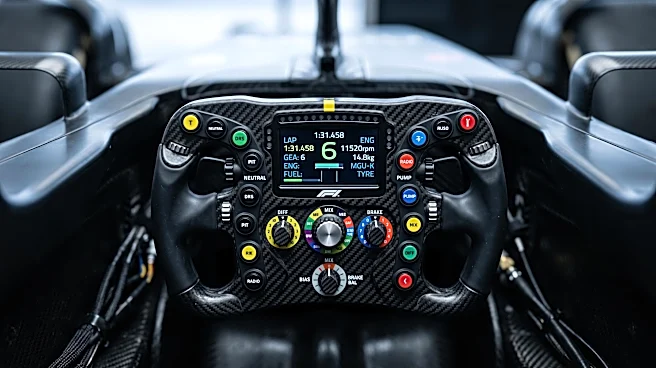
Jenson Button's comments underscore a fundamental aspect of Formula 1: the crucial role of driver feedback in car development. In a sport where marginal gains are paramount, experienced drivers provide invaluable data and insights that guide engineering decisions. Continuity in the driver lineup ensures a consistent flow of feedback, allowing teams to build upon previous iterations and refine their cars more effectively. For teams like Aston Martin and Racing Bulls, which are striving to improve their positions, retaining drivers like Alonso, Stroll, and Lawson is not just about performance on track but also about their contribution to the technical evolution of the car. This approach minimizes the learning curve associated with new drivers and maximizes the potential for long-term development, directly impacting a team's competitiveness and financial investment in R&D.
What's Next?
The emphasis on driver continuity suggests that teams will increasingly prioritize stability in their lineups, especially as new regulations or car generations approach. For Aston Martin, retaining Alonso and Stroll for 2027 indicates a strategic commitment to leveraging their combined experience for the upcoming rule changes. Similarly, Racing Bulls' decision to keep Liam Lawson, despite internal discussions, reflects a recognition of his value in car development. This trend could lead to fewer driver changes in the short term, as teams seek to build stable foundations for future success. It also highlights the growing importance of a driver's technical feedback alongside their raw speed, influencing how teams evaluate and invest in their talent pool.
Beyond the Headlines
Button's insights reveal a deeper layer of strategy in Formula 1 beyond just winning races. It's about building a cohesive unit where drivers are integral to the engineering process, not just operators of the machinery. The concept of 'feedback' extends beyond technical specifications; it encompasses the nuanced feel of the car, its behavior under different conditions, and the subtle adjustments needed for optimal performance. This collaborative approach between drivers and engineers is a microcosm of innovation in complex systems, where user experience (the driver's feel) directly informs product development (the car's design). The discussion also touches on the internal politics within teams, as seen with the initial reluctance to retain Lawson at Racing Bulls, demonstrating that strategic decisions often involve balancing various stakeholder interests and long-term vision against immediate pressures.