





What's Happening?
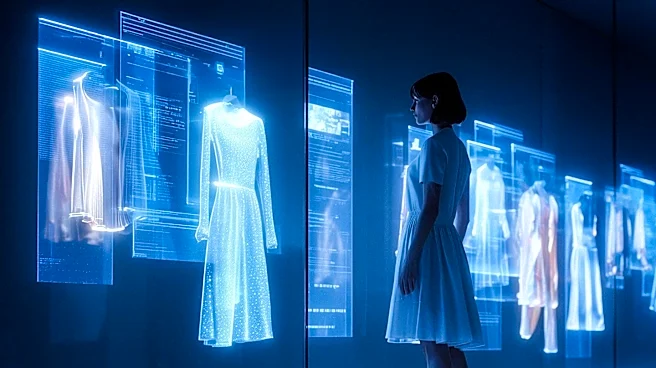
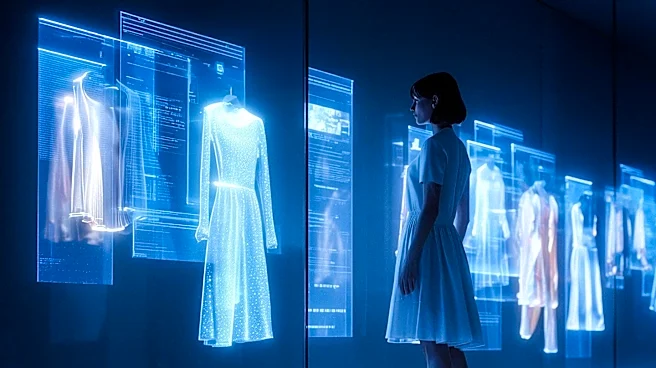
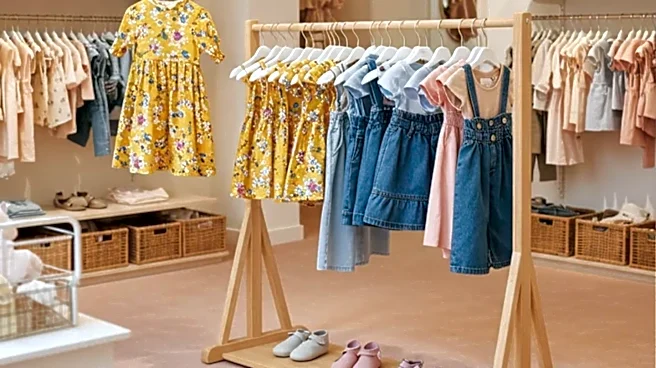
MioLook has developed a digital wardrobe application that utilizes artificial intelligence to simplify clothing organization and outfit creation. The app's AI automatically crops clothing items from photos, categorizes them (e.g., 'straight-fit jacket,'
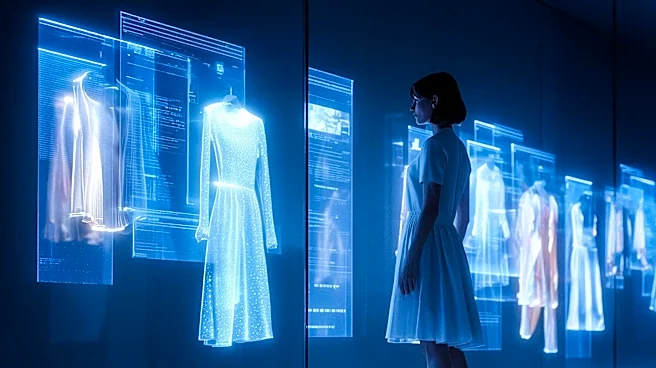
'palazzo pants'), and identifies dominant colors. This technology aims to transform a user's physical wardrobe into a 'personal fashion data center,' allowing for efficient management and styling. The process involves photographing garments, which the AI then processes to remove backgrounds and assign basic attributes. Users can further refine these entries by adding tags for seasonality, brand, and dress code, enhancing the system's ability to suggest relevant outfit combinations. The app is designed to help users overcome the 'paradox of choice' by presenting a structured, digital overview of their clothing, reducing the time and stress associated with daily outfit selection.
Why It's Important?
This development is significant for the U.S. lifestyle and retail sectors, offering consumers a novel approach to personal style and consumption. By digitizing wardrobes, individuals can gain a clearer understanding of their existing clothing inventory, potentially leading to more conscious purchasing decisions and a reduction in impulse buys. The ability to visualize and plan outfits digitally can save considerable time, addressing a common daily challenge for many. For fashion brands and retailers, the rise of such apps could influence consumer behavior, shifting focus from constant acquisition to maximizing the utility of existing items. This could also foster a greater appreciation for quality and versatility in clothing, impacting design and marketing strategies within the industry. The technology promotes a more sustainable approach to fashion by encouraging users to utilize their current wardrobe more effectively.
What's Next?
The continued adoption and evolution of AI-powered digital wardrobe apps like MioLook are likely to drive further innovation in personal styling technology. Future developments may include more sophisticated AI for personalized style recommendations, integration with e-commerce platforms for seamless purchasing of complementary items, and enhanced virtual try-on capabilities. As more users embrace these tools, there could be a growing demand for interoperability between different fashion-tech platforms. This trend might also encourage fashion brands to provide digital assets of their products, facilitating easier integration into users' digital closets. The emphasis on conscious consumption and wardrobe efficiency could also lead to new business models focused on clothing rental, resale, and repair, further impacting the fashion industry's traditional linear consumption model.
Beyond the Headlines
The emergence of digital wardrobe apps touches upon broader societal shifts towards digitalization and sustainability. Ethically, these apps encourage a more mindful approach to fashion, potentially reducing textile waste and promoting circular economy principles. Legally, data privacy and the secure handling of personal images and clothing data will become increasingly important considerations for app developers and users. Culturally, these tools could redefine personal style, moving away from fast fashion trends towards a more curated and intentional wardrobe. The psychological impact of reducing 'decision fatigue' and fostering a sense of control over one's possessions also highlights the deeper implications of such technologies on daily well-being and mental clarity. This trend signifies a move towards integrating technology into intimate aspects of daily life, transforming how individuals interact with their personal belongings.