


What's Happening?
Shapewear corsets are undergoing a significant transformation, moving from being hidden undergarments to celebrated fashion staples. This shift is driven by the blurring lines between lingerie and outerwear, with stylists and fashion enthusiasts on platforms
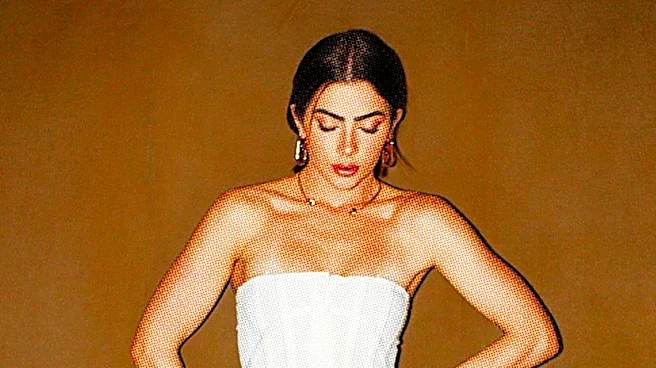
like TikTok and Instagram showcasing corsets as visible elements of outfits. Modern designs feature chic satin finishes, delicate mesh paneling, and minimalist lines, making them suitable for various occasions, from casual brunches to formal events. The resurgence in popularity is also attributed to advancements in fabric technology, which now prioritizes comfort. Unlike traditional corsets with rigid steel boning, contemporary versions use flexible, lightweight boning, moisture-wicking microfibers, and targeted compression zones. These innovations allow the garments to move with the body, providing gentle posture and lower-back support without restriction. This evolution aligns with the broader body positivity movement, where shapewear is no longer about conforming to unrealistic silhouettes but about celebrating and enhancing natural curves. Inclusive sizing and open online discussions have fostered an environment where wearing a shaping corset is seen as an act of self-confidence and personal style.
Why It's Important?
This evolution of shapewear corsets signifies a notable cultural shift in how fashion intersects with body image and self-perception. The move from concealment to celebration reflects a broader societal embrace of body positivity, challenging long-held beauty standards that often promoted body alteration. For the fashion industry, this trend opens new avenues for design and marketing, emphasizing comfort, inclusivity, and versatile styling. Brands that adapt to this demand for functional yet fashionable shapewear are likely to gain market share. Economically, the increased demand for these modernized corsets can stimulate production and innovation in textile manufacturing and apparel design. Socially, it empowers individuals to express their style confidently, regardless of body shape or size, fostering a more inclusive fashion landscape. This trend also highlights the influence of social media in democratizing fashion and driving consumer preferences, as platforms like TikTok and Instagram play a crucial role in popularizing and normalizing these new styling approaches. The psychological benefit of feeling 'put together' and supported, as described in the source, contributes to enhanced self-esteem and confidence for wearers.
What's Next?
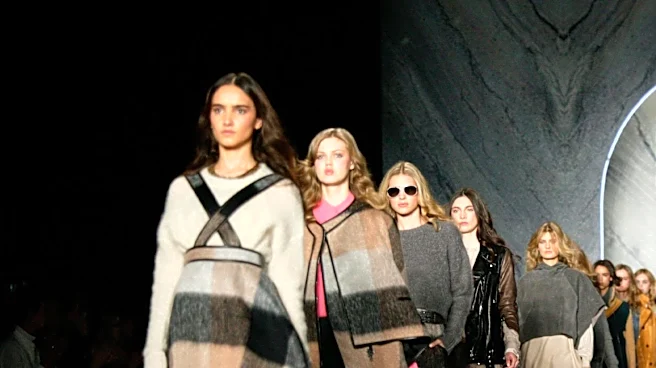
The trend of shapewear corsets as outerwear is likely to continue evolving, with further integration into mainstream fashion. We can anticipate more designers incorporating these pieces into their collections, offering a wider range of styles, colors, and materials. The focus on comfort and functionality, combined with aesthetic appeal, will probably lead to continued innovation in fabric technology and garment construction. As the body positivity movement gains further traction, the demand for genuinely inclusive sizing and diverse representation in marketing campaigns will intensify. This could prompt more brands to feature a broader spectrum of body types in their advertising, further normalizing the idea that fashion is for everyone. Additionally, the influence of social media will likely continue to shape how these garments are styled and perceived, with new trends emerging from user-generated content. Consumers can expect to see more versatile pieces that can transition seamlessly from casual to formal wear, solidifying the corset's place as a versatile wardrobe staple rather than a niche item.
Beyond the Headlines
The transformation of shapewear corsets extends beyond mere fashion trends, touching upon deeper ethical and cultural dimensions. Historically, corsets were symbols of restriction and societal pressure on women to conform to specific body ideals. Their modern reinterpretation as tools for self-expression and confidence marks a significant cultural shift, challenging these historical connotations. Ethically, the emphasis on comfort, inclusivity, and body celebration rather than body 'fixing' aligns with contemporary values of self-acceptance and empowerment. This evolution reflects a broader societal dialogue about authenticity and individuality, where fashion is increasingly seen as a means to express one's true self rather than to hide or alter it. The movement also highlights the power of consumer demand and social discourse in reshaping industries, demonstrating how collective preferences for inclusivity and comfort can drive significant product innovation and marketing strategies. This shift could also influence other segments of the apparel industry, encouraging a more holistic approach to design that prioritizes wearer well-being and diverse body representation.